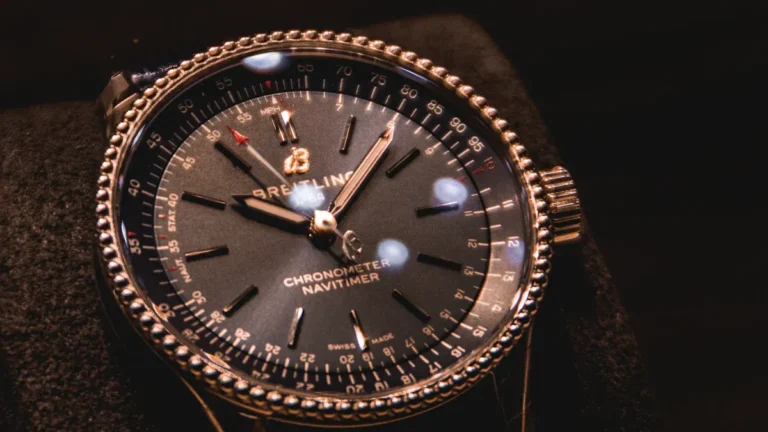
Like the small details in a passport stamp, your jewelry can say more than you believe — and it can also get your photo rejected. You’ll want to keep pieces minimal, non-reflective, and never obscuring your face, but rules vary enough that a quick check can save time and hassle. Keep going to see which items are usually fine, which to avoid, and how to test your photo so it’s accepted.
Quick Answer: Jewellery in Passport Photos
Questioning whether you can wear jewelry in your passport photo? You can, as long as it doesn’t hide your face or create photo reflections that interfere with identification.
Consider community: others want clear photos too, so choose subtle pieces that help you belong without drawing attention. Opt for non-reflective material types like matte metals or fabric, and avoid shiny stones, large hoops, or dangling statement items.
Small, simple earrings or a modest necklace that doesn’t cover your neck usually work, but keep in mind agencies decide on acceptance. Should a piece cast shadows or obscure your hairline, remove it.
At the moment of doubt, go minimal or take a test shot under passport-style lighting to guarantee your image stays compliant and inclusive.
Passport Jewellery Rules (By Country): Allowed vs. Banned
Curious how jewellery rules change from country to country? You’ll find a mix: some countries are flexible, others strict.
In the US, jewelry and facial piercings are allowed provided that they don’t hide your face; agencies still decide final acceptance. The UK similarly permits small, non-reflective pieces. But certain nations impose tighter country restrictions that effectively ban visible accessories to prevent identification issues.
Because rules vary, you’ll feel safer following general guidance: keep pieces minimal, avoid glare, and consider jewelry removal should there be any doubt.
Check the passport authority of the country issuing your document before your photo session. That way you’ll belong to a community of travellers who present clear, accepted ID photos.
Earrings and Necklaces in Passport Photos: What’s Acceptable
Questioning whether your earrings or necklace will pass muster in a passport photo? You want to belong and be seen clearly, so choose subtle pieces that don’t obscure your features.
Opt for small, non-reflective jewelry materials to avoid glare. Check lighting effects—bright flashes can create reflections or shadows that risk rejection. Keep in mind the goal: a clear, identifiable face.
- Prefer simple studs or small hoops
- Avoid large, dangling, or costume pieces
- Use matte finishes to minimize reflections
- Make certain necklaces don’t cover the neck or cast shadows
- Try a test photo under passport-style lighting
If in doubt, remove items; subtlety keeps you included and guarantees a smoother acceptance through the passport agency.
Facial Piercings (Nose, Lip): Allowed, Removable Options
In case you have nose or lip piercings, make sure they don’t obscure your facial features so the photo can be used for identification.
Should a piercing be large, reflective, or numerous, remove it or replace it with a small, non-reflective stud for the photo. Also consider cultural significance and safety—in the event removal isn’t possible, check your country’s rules and explain the situation to the issuing authority.
Visibility And Identification
Although small nose and lip piercings are generally allowed, you should make certain they don’t obscure your facial features or create reflections that could interfere with identification. You want your photo clarity to be unquestionable so identity verification is smooth and inclusive. Keep piercings subtle and positioned so eyes, nose bridge, and mouth contours remain visible.
- Choose non-reflective, low-profile studs that don’t catch flash.
- Avoid multiple facial piercings that change your natural silhouette.
- Check photos under the same lighting the passport office uses.
- Confirm piercings don’t cast shadows or hide cheek and jaw outlines.
- In case a piercing draws attention away from your face, consider a temporary option.
These steps help you belong while meeting identification rules.
Removable Jewelry Options
Should you prefer extra assurance for passport photos, consider temporarily removing facial jewelry or swapping to removable options designed to be inconspicuous. You can swap studs for clear retainers or use small magnetic or screw-in pieces that sit flat against the skin so your features stay visible.
Plan jewelry removal ahead and keep items in a labeled pouch or accessory storage case, so they’re safe and easy to replace after the session. In case you have multiple piercings, choose the least obtrusive one or use flesh-colored plugs that minimize reflection.
Keep in mind passport agents judge photos based on how well they show your face; through using discreet removable options you’ll belong in the process without sacrificing personal style.
Cultural And Safety Considerations
Because facial piercings like nose and lip studs carry cultural significance for many people, you can usually keep them in for passport photos so long as they don’t obscure your features or create reflections that interfere with identification.
You should balance respect for cultural symbolism with passport rules and safety concerns — small, matte studs that don’t cast shadows are best. Should a piercing risk glare or hide an outline, swap to a clear retainer or remove it.
- Choose low-profile, non-reflective jewelry for photos.
- Consider clear retainers that preserve cultural intent.
- Avoid multiple or large piercings that distract identification.
- Be aware of safety hazards during removal of healed piercings.
- Check the issuing authority’s tolerance for visible piercings.
Head Jewellery, Religious Items, and Hair Accessories: Complying With Requirements
In case you wear a religious head covering, make sure it doesn’t hide your face or cast shadows that obscure your features.
You can keep small decorative jewelry or hair accessories, but choose non-reflective, minimal pieces that don’t change your head outline. Whenever in doubt, remove flashy items or check your country’s passport rules to avoid rejection.
Religious Head Coverings
At the moment you wear a religious head covering in a passport photo, you can keep it on so long as it doesn’t obscure your face or cast shadows that hide your features; you should center your face, leave hairline and ears visible where possible, and avoid heavy shadowing. Respect for religious symbolism is acknowledged, but identification needs take precedence.
Choose plain fabric patterns and mindful color contrasts that don’t blend with skin tones or background.
- Keep your eyes, nose, and mouth fully visible.
- Avoid metallic pins or reflective adornments.
- Use subdued colors and simple fabric patterns.
- Position the covering to prevent shadowing on your face.
- Be ready to explain the religious purpose when asked.
You’ll belong while meeting clear ID requirements.
Small Decorative Jewelry
Upon including small decorative head jewelry, religious items, or hair accessories in a passport photo, be certain they don’t obscure your face, cast shadows, or create reflections that could interfere with identification—keep pieces minimal, non-reflective, and positioned so your eyes, nose, and mouth remain fully visible.
You’ll want accessories that reflect your identity without jeopardizing acceptance: subtle headbands, tiny pins, or modest religious pieces are usually fine provided they don’t alter face outlines.
Consider current fashion trends but prioritize plain designs and matte material types like fabric, brushed metal, or matte plastic. Try photos with and without the item to compare.
Should a piece risk glare, shadow, or draws attention away from your facial features, remove it to guarantee your photo meets passport authorities’ clear-identification goals.
How to Take and Test a Passport Photo to Avoid Rejection
Curious how to take a passport photo that won’t get rejected? You can make a clear, acceptable photo through following simple steps so you and your community feel confident. Check your lighting setup for even, soft light that avoids shadows from jewelry or facial features. Choose a plain background color that meets requirements (usually white or off-white). Test and adjust until the face is fully visible and neutral.
- Use soft, diffused frontal light to prevent glare
- Stand 1–2 meters from the camera for correct framing
- Keep a neutral expression, mouth closed, eyes open
- Remove or minimize reflective jewelry that casts shadows
- Verify size, head position, and background against official guidelines
Run a final acceptance check before submitting.
Frequently Asked Questions
Can Tinted or Colored Contact Lenses Affect Passport Photo Acceptance?
Yes. Tinted or colored contact lenses can affect passport photo acceptance: follow the photo guidelines, ensure your eyes look natural, and check with the issuing agency; avoid dramatic color changes that could hinder identification.
Do Kids Need to Remove Jewelry for Passport Photos?
Toddlers may wear small earrings in passport photos as long as the jewelry does not obscure the face or create reflections that interfere with identification. Adhere to the official child photo requirements and prioritize safety by keeping accessories minimal so the image clearly shows the child’s facial features.
Are Medical Alert Necklaces Allowed in Passport Photos?
Yes. You may wear medical jewelry in passport photos if it does not cover any part of your face. Follow passport rules, select nonreflective, low-profile pieces, and be aware that the issuing agency may apply discretion to ensure the photo meets requirements while accommodating your needs.
Can Reflective Jewelry Cause Digital Retakes or Rejection?
Yes. Shiny jewelry can create glare and confuse autofocus, which may lead to the image being retaken or rejected. Remove reflective pieces and select matte accessories so the photo meets technical requirements.
Is Photographing Jewelry Removal Required for Passport Records?
You are not universally required to remove jewelry for passport photos, but agencies may ask you to do so if items affect photo clarity. Respect cultural significance while complying, and consider removing reflective pieces to help ensure acceptance.