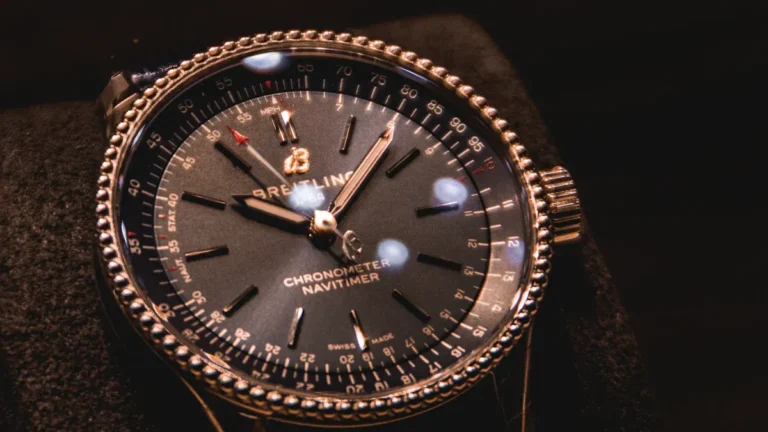
You could suppose your gold’s ruined, but it’s usually just the alloy metals reacting, not the gold itself. You’ll learn how copper, silver and skin chemistry cause dark spots and why lower-karat pieces blacken faster. I’ll also share simple habits and safe cleaning fixes that restore shine without harm—so keep going to find the practical steps that actually work.
Quick Answer: Why Gold Jewelry Turns Black and What to Do Now
Why did your gold turn black? You’re not alone — many of us notice darkening and worry about gold authenticity. Often it’s not fake gold but alloy reactions, sweat, or cosmetics causing tarnish.
To begin, don’t panic: wipe the piece gently with a soft cloth and mild soap, rinse, and dry. For rings and necklaces, soak briefly in warm soapy water and brush softly to remove deposits.
In case plating shows dark spots, consider professional replating or inspection to confirm authenticity.
Regular jewelry maintenance — storing pieces separately, avoiding lotions and pools, and cleaning after wear — keeps your collection looking like you.
Reach out to a trusted jeweler in the event discoloration persists; you belong with other careful owners who protect what matters.
Main Causes: Why Gold Jewelry Turns Black
You’ll notice gold can blacken for three main reasons: reactions from the alloys mixed into the gold, your skin’s chemistry, and contaminants in the environment.
Alloy metals like copper and silver oxidize or form sulfides, especially on lower-karat pieces. Sweat, cosmetics, chlorine, and pollution then speed up those reactions and leave dark residue.
Metal Alloy Reactions
Although pure gold is resistant to corrosion, alloys used to make jewelry contain metals like copper and silver that readily react with oxygen, sulfur, and chlorides, causing dark sulfides and oxides to form on the surface.
You’ll want to know how alloy composition and metal ionization drive blackening: less-pure gold has more reactive metals that oxidize or form sulfides faster, especially in humid or polluted settings.
You’re part of a group who cares for pieces, so here are key points to keep in mind:
- Lower-karat alloys (10K–14K) have more copper/silver, so they tarnish quicker.
- Metal ionization in water and sweat speeds oxide and sulfide formation.
- Chlorides and sulfur compounds accelerate visible darkening.
Skin Chemistry Effects
Because your skin constantly exposes jewelry to salts, oils, acids and chlorine, the metals in gold alloys react quickly at the contact points and form dark sulfides and oxides. You’ll notice that your pieces darken where they touch your skin most, because body oils and an acidic pH speed corrosion of copper and silver in alloys. You’re not alone; many wearers share this experience, and simple habits help.
| Symptom | Cause |
|---|---|
| Dark rings on bands | Salt and sweat |
| Black residue on chains | Alloy metal loss |
| Patchy discoloration | Cosmetic interaction |
| Faster wear in heat | Increased sweat activity |
Treat jewelry gently, clean regularly, and consider higher-karat pieces should you want longer-lasting shine.
Environmental Contaminants
At any time you wear gold near the coast, in polluted cities, or after gardening, airborne contaminants and salt dramatically speed up the chemical reactions that darken alloys.
You’re not alone—these environments attack copper and silver in your pieces, causing visible tarnish and smudges.
Know that smog effects and seacoast corrosion aren’t just phrases; they’re active processes that change your jewelry.
- Urban smog effects: sulfur and nitrogen compounds react with alloy metals, forming dark sulfides.
- Seacoast corrosion: salt spray supplies chlorides that pit and discolor copper-rich gold.
- Soil and plant residues: organic acids and moisture from gardening accelerate oxidation.
Keep jewelry clean, store it dry, and you’ll feel confident wearing treasured pieces together.
How Gold Karat (Purity) Affects Blackening
You’ll notice higher-karat gold tarnishes far less because it has more pure gold and fewer reactive alloys. The more copper or silver mixed in, the quicker those metals oxidize or react with sweat and chemicals, causing blackening.
Also keep in mind that surface wear or thin plating exposes base alloys and speeds up discoloration.
Higher Karat, Less Tarnish
Although pure gold is too soft for most jewelry, the higher the karat, the less likely a piece is to blacken quickly—because karat measures gold purity, more gold means fewer reactive alloy metals like copper and silver that form dark sulfides and oxides.
You’ll feel more confident choosing higher-karat pieces whenever you know karat measurement ties directly to resistance: purity standards (like 18K vs 14K) tell you how much non-gold metal is present, and less alloy lowers tarnish risk.
- 24K: maximum purity, minimal darkening but very soft for daily wear.
- 18K: good balance of durability and tarnish resistance for meaningful pieces.
- 14K–10K: stronger but more prone to blackening from alloys.
Choose what matches your lifestyle and community of wearers.
Alloy Content Matters
Because karat measures how much pure gold is in a piece, the higher the karat the fewer reactive metals you’re carrying against your skin—so 18K or 22K will resist blackening far better than 10K or 14K. You want jewelry that feels like it belongs to you; choosing higher karat reduces copper and silver content that form dark sulfides. Consider alloy durability during the selection of pieces for daily wear, and ask about composition testing provided you need certainty. Lower-karat items are tougher but more reactive, so they’ll darken sooner. Here’s a quick comparison to help you decide:
| Karat | Typical Alloy Effect |
|---|---|
| 10K | More reactive, faster blackening |
| 14K | Moderate durability, noticeable tarnish |
| 18K | Better resistance, gentler patina |
| 22K | High purity, minimal blackening |
Surface Wear Accelerates Blackening
During the period your gold rubs against clothing, skin, or other metals, the thin layer of pure gold wears away faster on lower-karat pieces, exposing more reactive alloy beneath; you notice blackening sooner because abrasion effects and friction wear reveal copper or silver that tarnishes.
You’ll want to protect pieces you love, so consider how karat changes behavior.
- Lower karat (10K–14K): more alloy means quicker discoloration from friction wear and sweat.
- Mid karat (18K): better resistance, but abrasion effects still expose reactive metals with heavy use.
- High karat (22K–24K): least alloy, maintains color longer though it’s softer and more scratch-prone.
You belong to a caring community—clean, store, and choose karat with shared tips.
Why Base Metals in Gold Alloys Cause Tarnish and Dark Spots
During the period you wear gold jewelry, the tiny amounts of base metals mixed in for strength—like copper and silver—are the ones that actually react with air, sweat, and chemicals, producing oxides and sulfides that show up as tarnish and dark spots.
Once you choose a piece, bear in mind alloy corrosion is the root cause: metal ions from alloys undergo base metal interactions with oxygen and sulfur compounds, creating visible blackening. You’ll notice lower-karat items darken faster because they contain more reactive metals.
That doesn’t mean your jewelry is failing; it’s responding like any metal would. Treating pieces gently, cleaning them regularly, and feeling confident in shared care tips helps your group keep treasured items bright and lasting together.
Environmental Exposures That Accelerate Blackening
During the period you wear gold jewelry, external factors like humidity, salt air, pollution and chlorinated water speed up the chemical reactions that cause blackening. You’re not alone should your favorite piece darkens faster in certain places — humidity effects and smog impact are real culprits.
Be aware of common exposures:
- Coastal air: salt and chlorides accelerate corrosion on copper and silver alloys.
- Urban smog: sulfur and nitrogen compounds react with metals, causing dark sulfides.
- Pools and hot tubs: chlorine attacks alloyed metals, stripping shine and revealing darker layers.
You belong to a community that cares for jewelry; simple habits like rinsing after exposure and dry storage will help protect shared treasures from accelerated blackening.
Cosmetics, Lotions, and Sweat: Buildup vs. Corrosion
Because your skin, sweat, and the products you use sit against jewelry for hours, they do more than leave residue—they chemically attack alloyed metals. You’ll notice cosmetic residue and sweat buildup collect in crevices; that grime masks shine and feeds corrosion where copper or silver alloys are exposed. Consider buildup as reversible dirt and corrosion as permanent metal change—both make pieces look black but need different care. You’re not alone; everyone’s routine affects their jewelry.
| Source | Effect | Fix |
|---|---|---|
| Lotions/perfume | Leaves oily film, can contain sulfur | Wipe after use |
| Sweat | Salt and chlorides corrode alloys | Rinse, dry promptly |
| Makeup | Abrades plating, traps dirt | Clean gently, avoid contact |
How to Test If Blackened Jewelry Is Real Gold
Should your piece has blackened, start with a careful visual inspection: look for hallmarks, worn areas showing a different metal, and uneven discoloration that suggests plating or alloy exposure.
You can then try simple at-home tests — a cotton swab with rubbing alcohol to remove surface grime, a magnet to check for ferrous bases, or a drop of diluted nitric acid on an inconspicuous spot to see whether it reacts (use caution).
These quick checks help distinguish solid gold, plated items, and tarnished alloys before you decide on professional testing.
Visual Inspection Tips
Considering how to determine whether that blackened piece is real gold? Check subtle clues with a friendly, shared-eye approach — you’re not alone in this.
- Look for hallmarks and consistent color changes across concealed areas; real gold usually shows uniform tone where plating has worn.
- Inspect surface texture: genuine gold feels smooth and dense; scratches that reveal a different metal underneath suggest plating or alloy.
- Rub gently with a soft cloth; in case black residue appears, that could be tarnish from alloys or transferred dirt rather than pure gold loss.
Should you be unsure, compare with a trusted gold item you own or consult a jeweller — belonging to a community that cares about preserving treasures helps you choose wisely.
Simple Chemical Tests
Speculating how to determine whether that blackened piece is genuine gold without costly equipment? You can do simple chemical tests that feel communal and enabling. Use a drop of nitric acid (carefully) on a concealed spot: real gold resists it, whereas base metals or plated pieces react. A home vinegar or salt test can reveal oxidation indicators—bubbling or color change suggests alloys like copper. A silver nitrate swab shows sulfur reaction when sulfides are present. Here’s a compact guide:
| Test | What to watch for | Likely result |
|---|---|---|
| Nitric acid | No reaction | Real gold |
| Vinegar/salt | Bubbling/discolor | Alloy/copper |
| Silver nitrate | Dark spot | Sulfur reaction |
| Magnet | Attraction | Base metal |
| Scratch + acid | Underlayer shows | Plating or alloy |
Safe At‑Home Fixes to Remove Blackening
Want to restore your gold’s shine without harsh chemicals? You’re part of a group who cares for treasured pieces, so try gentle at‑home methods that respect alloys and plating.
Use soft brushes, mild soap, and warm water initially; avoid soaking fragile settings.
- Ultrasonic cleaning (home devices): follow maker instructions, limit time for lower‑karat or plated pieces to prevent loosening of stones or plating wear.
- Lemon polishing: dip a soft cloth in diluted lemon juice, rub lightly, then rinse and dry; don’t use on porous gemstones or delicate plating.
- Baking soda paste: mix with water, apply briefly with a soft brush, rinse thoroughly, and pat dry.
These steps help you maintain shine while protecting community heirlooms.
When to Seek Professional Cleaning, Repair, or Replating
Should home cleaning hasn’t removed the blackening, or in case you notice loose stones, worn plating, deep scratches, or metal loss, it’s time to see a professional. You’ll want a professional evaluation to assess alloy damage, plating thickness, and whether repairs or replating will preserve the piece.
Bring sentimental items — the jeweller understands value beyond cost and will explain service timing: urgent for loose stones, less rushed for surface polish. Ask about plating methods, expected lifespan, and warranties so you feel part of the decision.
In the event that corrosion has exposed base metal or weakened settings, don’t delay: expert cleaning, soldering, or replating prevents loss. Trust a certified jeweller to restore beauty and keep your pieces safe.
Preventive Habits to Keep Gold Shiny Longer
Because regular care slows the chemical attacks that dull gold, adopting a few simple habits will keep your pieces looking brighter and last longer. You’re part of a community that treasures heirlooms and everyday pieces, so make daily cleaning a short ritual: wipe with a soft cloth after wearing to remove sweat, oils, and cosmetics.
Follow simple storage tips to prevent moisture and friction—use individual pouches or lined boxes. Be mindful at the time of applying lotions or perfume; put on jewelry last. Avoid pools, saltwater, and harsh cleaners that accelerate discoloration. Whenever you travel, carry a small cleaning cloth and a sealed pouch to protect your collection.
- Clean daily: gentle cloth, mild soap occasionally.
- Store separately: pouches/liners.
- Remove: before swimming, sports, or heavy chores.
Choosing the Right Gold Alloy and Finish for Durability
Keeping good habits will slow wear, but choosing the right alloy and finish gives your pieces a built‑in advantage against blackening and scratches.
You’ll want alloys with balanced alloy composition—more gold content (18K–22K) resists corrosion, whereas lower‑karat pieces (10K–14K) use more copper or silver and tarnish faster. Talk with jewelers about copper‑lean mixes should your skin or environment speed darkening.
For long‑term wear, prioritize finish durability: harder finishes and protective coatings fend off abrasion and exposure to sulfur, chlorine, and sweat. Matte or brushed textures hide small marks, polished surfaces show wear sooner.
Choosing thoughtfully helps you keep pieces that look like yours for years, and connects you to a community that values lasting, wearable jewelry.
Conserving Heirloom Gold: Safe Cleaning and Repair Options
Upon inheriting gold jewelry, a cautious cleaning and thoughtful repairs will protect both its beauty and its story; start with evaluating the piece for loose stones, thin settings, worn plating, or heavy tarnish so you can choose safe, appropriate treatments. You’ll want to honor family history while preventing damage.
Consider professional repair for structural issues and resist DIY fixes that remove metal.
- Have a jeweler assess and solder weak prongs, replate worn gold, or replace missing settings — this keeps the piece wearable and safe.
- Use gentle polishing with a soft cloth for surface grime; avoid abrasive pastes that thin plating or remove metal.
- Ask about ultrasonic cleaning only at times stones and settings are secure to avoid loosening or cracking.
Common Myths About Blackened Gold
Before you start cleaning or repairing an heirloom, it’s helpful to clear up common myths about blackened gold so you know what to expect and avoid harmful fixes. You’ll learn that most darkening comes from alloys, sweat, cosmetics, or environment—not curses nor neglect. Urban legends and superstitious beliefs can make you hesitant to touch pieces; trust science and tested care instead. Share this with your circle so everyone feels confident handling heirlooms.
| Myth | Reality | Action |
|---|---|---|
| Black = fake | Often alloy reaction | Clean gently, inspect |
| Only dirt | Usually sulfides/oxides | Use mild polish |
| Cursed | Urban legends | Reassure, document |
| Worthless if dark | Value intact | Professional appraisal |
| Scrub hard | Damage plating | Gentle methods only |
Frequently Asked Questions
Does Blackening Mean the Gold Is Fake?
Not necessarily. Darkening can result from the alloy mix or environmental exposure; genuine lower-karat gold and gold-plated items may tarnish. Many people encounter this and there are ways to restore or prevent it.
Can Black Residue Stain Skin or Clothes?
Yes. The dark residue can leave visible stains; it may cause mild irritation on sensitive skin and can discolor fabrics, so clean it off promptly and avoid prolonged contact to prevent damage.
Will Polishing Remove Gold Plating Entirely?
Yes. If you polish aggressively you will wear away the gold plating; how quickly depends on the plating thickness, with thin layers coming off much sooner while thicker layers last longer. Treat pieces gently to preserve their appearance and condition.
Are Certain Jobs More Likely to Damage Gold Jewelry?
Yes. Hands-on occupations increase the risk: chemical exposure differs from office environments, and repeated mechanical abrasion from tools wears away plating or soft alloys more quickly, so work alongside colleagues who routinely protect and clean their pieces.
Can Dietary Changes Affect Jewelry Tarnish?
Yes. Altering what you eat and drink changes skin pH and sweat composition, which influences how quickly metals oxidize; consuming less salty and acidic foods and increasing water intake can reduce visible tarnish.