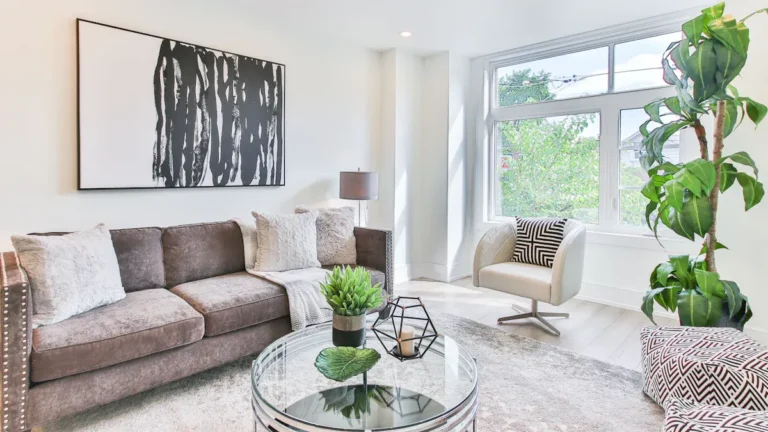
Smart homes are learning routines to make mornings calmer and simpler. Rooms warm up, coffee brews, lights dim, and climate, lighting, and music adjust with voice, gesture, or presence. Edge devices keep most data private while modular systems let upgrades happen without tearing out walls. Thoughtful planning keeps wiring and hubs out of sight, balancing convenience with strong privacy and clear control.
How Smart Automation Changes Luxury Living
When smart automation learns your habits, it quietly makes everyday life feel effortless and tailored just for you. You wake to lights that match your mood, coffee ready when you step in, and doors that sense your approach. This anticipatory concierge shapes your day so you feel known and included.
Systems pick up your rhythms and fold them into personalized rituals, from morning warmth to evening light scenes. You trust technology that blends into your home, not shout over it. It frees you to focus on people and moments, not chores.
As devices talk to each other, your routines stay smooth and private. You belong to a household that understands you, and that comfort matters more than gadgets.
Decision Criteria: Budgets, Integrators, and Future-Proofing
When you’re planning luxury home tech, your budget shapes what features you prioritize and where you can invest in long-term value.
Choosing the right integrator is just as important because they’ll translate your goals into reliable systems and smart upgrade paths.
Think of budget allocation and integrator selection as partners in future-proofing your home, since sensible spending and skilled installation keep your system flexible and ready for tomorrow.
Budget Allocation Strategies
Allocating your budget for luxury home tech can feel overwhelming, but you don’t have to figure it out alone. You can use cost phasing to spread investments over time, placing core systems like security and climate first, then adding comforts and design-forward touches later.
Value prioritization helps you rank what truly improves daily life so you invest where it matters most. Work with trusted advisors to map short term needs and long term upgrades, and leave room for future-proofing like scalable networks and modular components.
Expect tradeoffs and choose flexible choices that age well. You’ll feel supported when you know each dollar advances comfort, privacy, and style without forcing you to compromise belonging or quality.
Integrator Selection Criteria
Start by thinking of your integrator like a trusted guide who’ll shape how your home feels, works, and grows over time. You want someone who listens, explains options clearly, and cares about long term relationships. Use partner vetting to check references, past projects, certification, and design sensitivity. Ask for contract transparency so scope, updates, warranties, and change orders are clear and fair.
- Verify technical skill and design taste
- Confirm maintenance plans and upgrade paths
- Review pricing model and warranty terms
- Ensure communication style fits your family
These steps build confidence and belonging. When you pick an integrator who matches your values, your home becomes a cohesive, evolving space. Trust grows with clear expectations and shared goals, making tech feel personal and lasting.
Luxury Home AI Climate & Lighting That Learn Routines
You’ll notice your home learns how you like temperature and light and then takes care of the small stuff so you don’t have to worry.
Adaptive temperature control keeps each room comfortable while saving energy, and circadian lighting shifts color and brightness to match your day so you feel better.
Predictive energy optimization times heating, cooling, and shades to cut costs and keep everything running smoothly.
Adaptive Temperature Control
When your home learns how you live, temperature and light start working together so you feel comfortable without thinking about it. You walk into rooms that match your mood because microclimate zoning tailors small areas to people and use. Adaptive setpoints change gently as routines shift, so you never fight the thermostat.
- Rooms warm where you linger and cool where you sleep
- Schedules blend with real time sensors to save energy
- Voice or app nudges let you tweak comfort in seconds
- System remembers guests and adapts without extra setup
You belong to a home that notices. It adjusts quietly, respects preferences, and keeps family comfort consistent. The result is ease, connection, and smarter climate control that feels personal.
Circadian Lighting Automation
Mimicking natural light patterns helps your body feel more awake by day and more relaxed by night, so circadian lighting automation brings that balance into your home without any fuss.
You’ll notice how human centric lighting shifts color and intensity to match your day. It supports routines by easing you into wakefulness with cool tones and guiding you to unwind with warmer hues. The system learns when you rise and sleep, so it times melatonin modulation to protect your rest.
Devices blend into rooms, and controls feel familiar, so you and your household belong to a thoughtful rhythm. Integration with shades and climate links comfort across spaces. You’ll feel cared for, relaxed, and more connected to home.
Predictive Energy Optimization
Because your home learns how you live, predictive energy optimization quietly shapes comfort while cutting waste. You’ll feel cared for when climate and lighting adjust before you ask.
The system balances your routines with grid signals, using forecasting consumption to plan when to run HVAC, preheat water, or dim lights. That helps lower bills and keeps everyone comfortable.
- Personalized schedules that nudge comfort around your day
- Real time microgrid balancing to use clean, local power when available
- Adaptive setback that saves energy but restores warmth or light fast
- Clear feedback so you understand savings and choices
You belong to a household that shares goals. The tech listens, adapts, and gives you control without fuss.
Invisible Control: Voice, Gesture, and Presence Interfaces
While you relax in the living room, invisible controls quietly learn how you like things to feel and sound, so your home responds before you ask. You notice subtle micro interactions when a light softens as you move, or music fades when you speak softly. Voice, gesture, and presence interfaces work together through ambient sensing to create a shared rhythm between you and the space. You’ll feel seen without being watched.
Simple voice cues handle routines, gentle gestures change scenes, and presence cues adjust comfort as you enter. These layers blend into decor and daily life, so technology feels like a thoughtful friend. You belong in a home that anticipates, comforts, and adapts with quiet, respectful intelligence.
Integrated Security & Privacy: Identity, Sensors, Edge AI
In a high-end home, identity and sensing work together so you feel safe without fuss. You trust systems that know who belongs and respect your space. Biometric zoning lets rooms adapt access and preferences to each person. Sensors detect motion, glass breaks, and presence while on device processing keeps data private at the edge. That balance helps you relax and connect with household members.
- Personalized entry with faces and fingerprints for family and guests
- Local AI for alerts and minimal cloud exposure to protect moments
- Sensors that learn routines so alarms calm down for known people
- Zoning that shares access with neighbors or staff when you choose
You’ll feel included, secure, and respected in every room.
Wellness and Entertainment: Tech-Enabled Bespoke Experiences
Step into a room that knows how you want to feel, and you’ll notice the difference right away. You relax because lighting, temperature, and immersive soundscapes shift together to match your mood.
You feel seen because profiles store moments you loved, so evenings feel familiar yet fresh. You gather with friends and the system blends music, gentle tactile feedback, and personalized scenting to create warmth and welcome.
You move from a spa-like calm to lively conversation without fiddling with controls. You trust the tech to learn your rhythms and protect your privacy while enriching life.
You belong here, in a home that crafts meaning through subtle cues, shared experiences, and thoughtful, invisible support that keeps comfort at the center.
Architecture-First Automation: Hidden Systems and Wiring Strategies
Because good automation starts with the bones of the house, you’ll want wiring and systems planned before finishes go up so tech stays out of sight and stress stays low.
You’ll feel part of a thoughtful process when designers map routes for concealed conduits and choose modular accesspoints that make upgrades easy.
Plan clusters for AV, climate, security, and power so systems talk without clutter.
Transitional planning links mechanical rooms to living spaces and keeps panels hidden yet reachable.
- Prewire main runs to reduce retrofit costs
- Locate central hubs near HVAC and electrical
- Use concealed conduits in walls and floors for neatness
- Place modular accesspoints in closets and service zones
You’ll enjoy an elegant, serviceable home that welcomes change.
Frequently Asked Questions
How Do These Systems Affect Long-Term Home Resale Value?
Smart home upgrades often increase resale value: whole-house energy management can cut utility bills and justify higher asking prices, integrated security and entry systems boost buyer confidence, and built-in lighting and climate scenes highlight modern design and convenience that appeal to tech-savvy buyers seeking lifestyle and neighborhood fit.
What Are Typical Ongoing Subscription Costs?
Expect monthly charges like these: single smart camera cloud storage commonly costs 5 to 30 dollars per month; a single-device professional monitoring plan runs about 10 to 60 dollars per month; and comprehensive packages that include whole-home AI features, 24 7 security monitoring, and concierge services typically total 50 to 200 dollars per month.
Can Homeowners DIY Minor Automation Updates?
Absolutely. Replace a traditional light switch with a Wi Fi smart switch in an afternoon, create a voice command like “Goodnight” that locks doors and turns off lights, and link new plugs and bulbs to your existing Alexa or Google Home account. These projects use basic tools and the apps’ step by step guides, so you’ll gain real skills and confidence; for wiring changes, whole home automation hubs, or custom scenes spanning HVAC and security, hire a licensed installer.
How Do Systems Handle Power Outages?
When the grid goes down, the home controller starts the standby generator or taps the lithium battery pack so entry locks stay powered, the smart thermostat keeps climate schedules running, and refrigerator and medical devices stay on—so security, comfort, and critical appliances keep working through the outage.
Are There Health Concerns From Constant Wireless Signals?
Current evidence indicates no proven major health risks from everyday wireless signals. Regulatory agencies set exposure limits, Wi Fi and Bluetooth radios operate at very low power, and routers include features like automatic channel selection and transmit power controls to reduce unnecessary emissions. If you want extra peace of mind, place routers away from beds and reduce idle device transmissions by disabling unused interfaces or scheduling smart home updates for overnight.