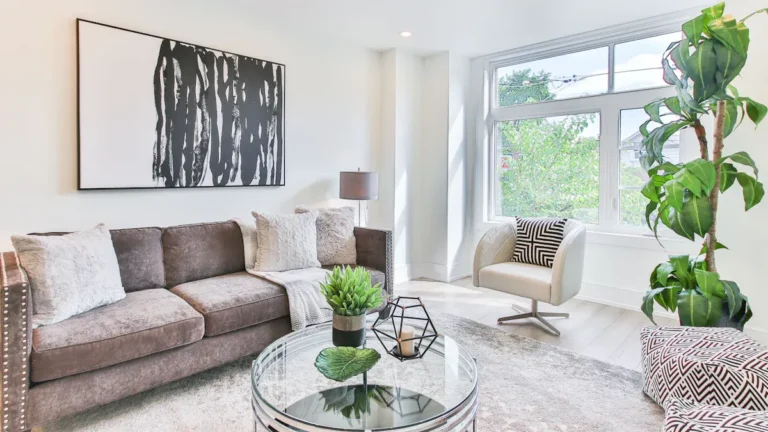
Voice-controlled smart homes bring effortless automation to luxury residences by letting people control lights, shades, climate, and music with simple spoken commands. These systems run locally for fast responses and stronger privacy. Voice biometrics and room awareness learn personal preferences without sending data away. The article covers platforms, certified hardware, concierge-style features, budgeting tips, and straightforward troubleshooting to keep systems reliable and elegant.
Why Voice Control Defines Modern Luxury Homes
Imagine walking into your home and saying “I’m home” to set the lights, temperature, shades, and music without touching a thing; voice control makes that effortless and feels like true modern luxury.
You’ll notice subtle status indicators that confirm each device heard you and acted. That feedback keeps you calm and connected to your space.
Concierge integration brings services into your routine, so you can ask for cleaning, deliveries, or guest access and feel supported.
You’ll belong to a home that reads your needs, learns your patterns, and responds with care. The tone is warm, not showy.
You’ll enjoy reliability, privacy, and simple prompts that make daily life smoother. It’s comfort that welcomes you home every time.
How Voice Systems Work: Assistants, Hubs, and Protocols
A smart home voice system starts with three clear parts that work together so your commands feel instant and natural: the voice assistant that understands your words, the hub that connects devices, and the communication protocols that let everything speak the same language.
You speak to an assistant, which parses requests and keeps context so routines feel personal. That assistant links to assistant hubs in your home, which manage lights, climate, security, and media. Protocol interoperability makes sure a Philips bulb and a luxury shade can both respond to a single command.
You’ll feel supported because devices cooperate, not compete. As you add rooms, the hub scales and the assistant learns your rhythms. This creates a welcoming, reliable system that’s easy to trust.
Choosing the Right Voice Platform for Your Home
Picking the right voice platform for your home can feel overwhelming, but you’re not alone and it’s more manageable than it seems. You want a system that fits your lifestyle and makes you feel at home. Start by comparing popular voice ecosystems and see which devices your family already uses.
Think about platform interoperability so new gear works with what you have now and later.
- Check device compatibility and favorite brands you trust
- Ask about privacy controls and personalized access for family members
- Look for support, updates, and local control options that match your pace
Essential Voice-Control Features for High-End Living
Start with features that make your home feel effortless and secure, then build from there so every room responds to you.
You’ll want voice biometrics for safe personalized access and adaptive phrasing so commands sound natural whether you’re rushed or relaxed.
Add seamless room awareness so speakers and mics hand off control as you move.
Include gestureFallback for moments when voice won’t do, letting simple gestures or touch take over.
Prioritize routines that learn your rhythm and multiuser profiles that respect privacy and taste.
Choose systems with local processing to cut lag and protect data.
Expect discreet status feedback and easy overrides so you always feel in control.
These elements help you belong to a smart home that knows and cares for you.
Integrating Voice With Lighting, Climate, Audio, and Security
When you link voice control to lighting, climate, audio, and security, your home becomes a single helpful companion that responds to mood, time, and presence. You’ll create room scenes that cue lights, music, and temperature with one phrase, so everyone feels welcome and cared for.
Energy harmonization keeps comfort and bills balanced by adjusting systems when rooms are empty and gently adapting to your routine.
You get seamless safety too, with voice-activated locks and cameras that work with lighting to deter intruders while letting friends in. This feels like a community inside your home, where systems know you and protect you without fuss.
- Set a welcome scene for arrivals
- Lower energy use during away times
- Link audio cues to security events
Designing In-Home Voice Interactions That Feel Natural and Private
You want voice interactions that sound like talking to a thoughtful neighbor, so start by using natural language patterns that match how you already speak.
Pair that with ambient privacy modes that mute or mask responses when you need discretion, and use contextual personalization so the system adapts to who you’re and where you’re in the house.
Together these choices make voice control feel both familiar and respectful of your privacy without getting in the way of daily life.
Natural Language Patterns
How do you make voice interactions feel both natural and private in your home? You focus on conversational turn taking and prosody mapping so exchanges mirror human rhythm and tone. When systems pause, wait, and respond with friendly timing, you feel heard and safe. Design phrases that fit your household voice and let everyone add their own style. Use short confirmations for sensitive tasks and private prompts for security options. Keep language warm and inclusive so family members feel welcome.
- Train phrases that match your home’s tone and habits
- Set gentle pauses and tone shifts for privacy cues
- Allow personal phrases for locking doors and alarms
These choices build trust and belonging while keeping interactions simple and respectful.
Ambient Privacy Modes
Because privacy matters as much as convenience, ambient privacy modes make voice control feel safe and natural in your home. You’ll welcome features like ambient mute that quiet devices automatically when you need space. You can set privacy zoning to limit listening to specific rooms so conversations stay private and everyone feels respected.
Designers blend motion sensors and simple controls so privacy follows you without fuss. You’ll trust systems that show clear status lights and offer easy overrides, so you’re never surprised. You can schedule quiet hours, create guest modes, and let family members choose preferences.
These choices help you belong to a home that listens kindly yet respectfully, balancing warmth, control, and calm for daily life.
Contextual Personalization
Ambient privacy modes set the stage for personalization that feels both warm and respectful, and now it’s time to shape voice interactions that know you without prying. You want a home that listens, adapts, and keeps your comfort private. Start by using adaptive preferences so the system learns your routines and tones. Combine that with room moodmapping to match light, sound, and temperature to activity and company. Design prompts that invite correction and teach the system gently. Keep controls local when possible and let users opt in to shared profiles for guests. Make responses brief, kind, and inclusive so everyone feels welcome.
- Teach the system one preference at a time to build trust
- Use room moodmapping for instant, subtle shifts
- Offer clear privacy toggles for each profile
Premium Hardware and Custom Integration Options
When you’re outfitting a luxury smart home, choosing high end control panels sets the tone for reliability and a polished user experience.
You’ll want bespoke integration services so every system talks to the others exactly how you expect, and certified audio visual components guarantee sound and video quality that matches the rest of the house.
Let’s look at how these choices work together to give you seamless control, clear audio, and confidence in daily use.
High-End Control Panels
Step into the control room of your smart home and you’ll see how premium control panels bring everything together with confidence and ease.
You’ll feel welcomed by tactile interfaces and modular panels that match your style and needs. These panels sit where everyone gathers, so they’re designed to be inviting and familiar. You can tap, swipe, or speak, and the system responds like a trusted host. Installations blend with decor so you belong to a space that cares for you.
- Intuitive layouts that make routines simple and comforting
- Custom zones that let family members feel seen and valued
- Durable materials and responsive feedback for lasting pride of ownership
Bespoke Integration Services
Bespoke integration turns a smart home into your personal sanctuary, and you’ll notice the difference the moment devices start behaving like parts of a single whole.
You get premium hardware chosen for durability and style, matched to your tastes so rooms feel familiar and welcoming.
Custom onboarding makes setup simple, with a team guiding you through routines, voice scenes, and preferences.
Ongoing maintenance plans keep everything running smoothly, so you never worry about updates or drift.
Third party coordination ensures lighting, shades, security, and entertainment speak the same language, so commands work every time.
Brand harmonization preserves the look and feel across devices, creating a cohesive home that reflects you and helps you belong.
Certified Audio-Visual Components
You’ve already felt how personalized service makes a house feel like your home, and that same attention carries straight into choosing certified audio visual components that will live with you for years. You want gear that fits your life and your circle. Certified components mean vetted brands, clear warranties, and proven reliability. Your integrator will run performance testing to confirm each speaker, amplifier, and display works in your space and with your voice system. That testing builds trust and ensures comfort for everyone who visits.
- Room-tuned speakers for warm shared moments
- Scalable amplifiers that grow with your needs
- Displays calibrated for true color and low glare
You’ll feel included, secure, and proud of every detail.
Privacy and Security: What Voice Systems Do With Your Data
When you ask a voice assistant to turn on lights or set the thermostat, your words start a chain of steps that involve much more than the device in your room. You should know how data retention works, who sees recordings, and when biometric consent is needed for voice recognition. You’ll want choices that protect you and your household while keeping convenience.
| Data Type | Where It Goes | Your Control |
|---|---|---|
| Voice clip | Cloud or local edge | Delete or keep |
| Transcripts | Encrypted storage | Review access |
| Biometric profile | Device or server | Require consent |
| Usage logs | Analytics systems | Opt out |
| Alerts | App and email | Customize notices |
You’ll feel safer when privacy settings are clear and shared decisions are easy.
Budgeting Voice Control: Upgrade Paths and Cost Examples
Getting started with voice control doesn’t have to drain your savings, and a small plan helps you avoid surprise costs while still getting big benefits. You’ll feel included as you pick a path that fits your home and budget. Begin with staged upgrades: start with smart speakers and a few smart bulbs, then add thermostats, sensors, and a hub over time. Explore financing options through dealers or card plans if you want faster progress.
- Start basic: voice assistants plus two smart bulbs for low cost and feel comfortable learning
- Mid tier: add smart thermostat and motion sensors for more automation and savings
- Premium: integrate a centralized hub, multiroom mics, and professional setup for seamless luxury
Common Setup Problems and How to Troubleshoot Them
When your smart home acts up, you’ll usually find it’s a connectivity or voice recognition issue that’s causing the trouble.
Start by checking Wi Fi range and hub placement so devices can stay online, and then test voice profiles and microphone locations to reduce misheard commands.
These steps often fix the problem quickly and will set you up to try deeper troubleshooting if needed.
Connectivity And Range
Because your smart home depends on steady signals, connectivity and range are where most setup headaches start, and you’ll feel better knowing how to fix them. You’ll want to check placement first. Routers need open space and central locations. For large homes, wireless mesh systems help keep rooms linked without drops. Signal boosters can patch weak spots but pick compatible models.
- Map dead zones and move devices nearer to hubs or mesh nodes
- Use wired backhaul for mesh nodes when possible to free wireless capacity
- Update firmware on routers and smart hubs and choose less crowded Wi Fi channels
You’re creating a shared home experience. Small tweaks make devices reliable, so everyone feels included and confident using voice control.
Voice Recognition Errors
First, check microphone placement and background noise. Move mics away from fans and TVs, and add room-specific mics so sensors hear you clearly.
Then train voice profiles and repeat phrases slowly to reduce accent variability problems. Update device software and reset any hubs that stall.
If a command still fails, simplify phrasing, use confirmation prompts, or create routines that match your speech patterns. Reach out to your installer for room tuning. You’ll get the personalized, reliable experience you deserve with a few patient adjustments.
Frequently Asked Questions
How Do Voice Systems Handle Multiple Languages or Code-Switching?
Multilingual models recognize each language separately and detect when you switch mid-sentence, so they transcribe Spanish, Mandarin, Arabic and English accurately in the same conversation. Accent Adaptation fine-tunes pronunciation models to your voice over time, reducing errors for regional pronunciations and mixed-language phrases. Context-aware response selection uses recent words and conversation history to choose the correct language for replies and to preserve meaning when you code-switch.
Can Voice Control Integrate With Legacy Non-Smart Appliances?
You can bring old appliances into modern voice routines by adding Retrofit Adapters for physical controls and Wi Fi enabled IR Hubs for remote signals, letting lights, thermostats, and entertainment gear respond to voice commands for everyday convenience and better home security.
What Maintenance Do Beamforming Microphones Require Over Time?
Keep beamforming microphones performing well with a simple maintenance routine: recalibrate the beam patterns every six to twelve months using the manufacturer’s calibration tool; vacuum or blow compressed air across the grille monthly to prevent dust buildup that degrades sensitivity; install firmware updates as they are released and verify release notes for audio or latency fixes; inspect each microphone array quarterly for loose capsules or corrosion and tighten or replace faulty elements; gently wipe enclosures with a lint free cloth and isopropyl alcohol solution when needed; confirm mounting angle and height after room changes to preserve intended pickup geometry; and arrange an annual professional service to test array phase alignment and replace aging components.
How Do Insurers View Voice-Enabled Security for Home Policies?
Think of voice-enabled security as a smart neighbor that listens and alerts but does not replace your responsibility for locks and maintenance. To qualify for meaningful premium reductions, choose devices with insurer-approved certifications, enable 24 7 professional monitoring, and keep firmware and account credentials up to date so auditors can verify ongoing protection.
Can Voice Automation Improve Resale Value of a Luxury Home?
Absolutely. Highlight systems that learn homeowner routines to cut energy costs, enable hands-free lighting and climate control for effortless entertaining, and secure the property with voice-activated access logs and emergency alerts. These concrete, luxury-grade capabilities appeal to high-end buyers and can boost both demand and appraisal values.