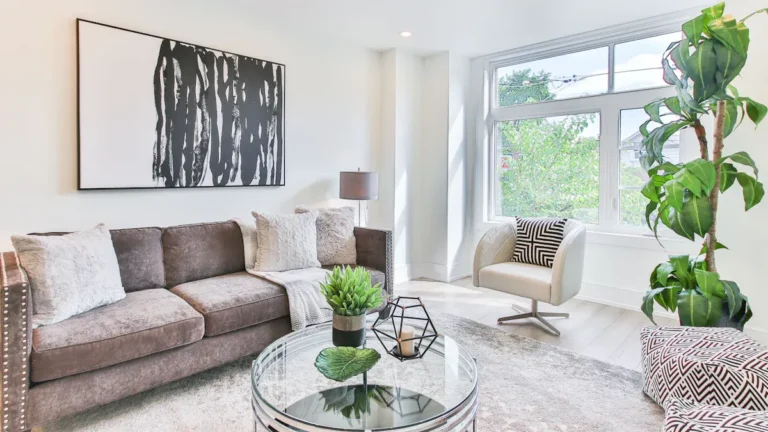
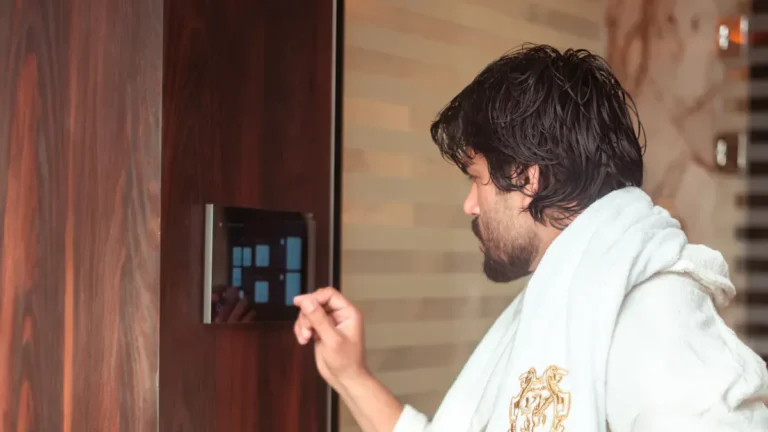
Smart home systems create comfort by sensing needs and responding automatically. Mornings bring soft light, a warm bedroom, and a tailored playlist to start the day. During work hours, focused lighting and subtle climate control support concentration. Guests are welcomed with coordinated lighting, shades, and sound for a polished experience. Simple hubs, voice or keypad control, and private security keep everything easy and expandable.
Why Luxury Home Automation Improves Daily Comfort
When your home knows what you need before you say a word, daily life just feels easier and calmer. You wake to rooms set to your favorite light and temperature, and you feel seen. Predictive personalization learns your routines, so your space adjusts without asking. That sense of being understood helps you relax and belong.
Tactile convenience lets you confirm changes with a tap or a friendly button, so control feels natural and warm. You’ll notice small rituals get smoother, like doors unlocking as you approach, music queuing for quiet mornings, and blinds shifting for sun. Each touchpoint connects to your daily rhythms, making tasks simple. You’ll feel supported at home, not managed, and more at ease.
Priority Systems: Lighting, Climate, Shades, Audio
You’ll notice how seamless lighting control sets the mood instantly, making rooms feel welcoming with a tap or voice command.
Paired with precision climate management, your home will stay comfortable while saving energy, and automated shades will time themselves to block glare or warm the room naturally.
Together these systems work as a single team so your living space feels effortless, personal, and cared for every day.
Seamless Lighting Control
Ever wondered how lighting can change the whole feel of your home with almost no effort? You’ll love how seamless lighting control blends ambient transitions and circadian tuning to support daily rhythms and shared moments.
It makes rooms feel welcoming, calm, and alive without extra thought.
- Whole home scenes that match mood and activity
- Dimmers and keypads for hands on comfort and ease
- Motion sensors that save energy and add safety
- Color and temperature shifts that support sleep and focus
- Voice and app control that keeps everyone connected
You’ll feel seen when lights adapt to your family’s routine.
The system ties into shades and audio so scenes flow naturally.
Small touches build belonging and make smart living feel personal and warm.
Precision Climate Management
Because your comfort matters as much as energy savings, precision climate management brings together smart thermostats, motorized shades, and whole-home sensors so your rooms feel right at the right time.
You’ll feel cared for when Predictive Zoning learns each room’s rhythm and directs heating or cooling only where people gather.
Whole-home sensors watch temperature, motion, and humidity so adjustments happen without you asking.
Humidity Balancing keeps air fresh and skin comfortable while protecting wood and art.
The system links with lighting and audio for shared scenes that match mood and activity, and it adapts over days so settings stay personal.
You’ll join a household that feels tuned to you, where comfort is simple, reliable, and always welcoming.
Automated Shade Integration
When automated shades work with your lighting, climate, and audio systems, your home feels calmer and smarter without you having to micromanage anything. You’ll feel included as scenes respond to your routines, and motorized sheers glide silently to set mood and privacy. They lower heat gain with solar blackout fabrics when needed and lift to welcome daylight. Integration ties shades to thermostats and lights so rooms stay comfy and inviting.
- Use schedules so shades and lights match your day
- Link shades to climate for energy wise comfort
- Trigger motorized sheers with voice for hands free ease
- Pair solar blackout for bedrooms and media rooms
- Create arrival scenes that greet you with light, temperature, and sound
You’ll enjoy simplicity and shared warmth throughout your home.
Designing Scenes and Routines That Anticipate Life
If you set up scenes and routines to match how you actually live, your home will start doing the little things before you ask. You’ll feel seen when anticipatory scenes lower shades, warm rooms, and cue soft music as evening arrives.
Contextual routines learn patterns like weekday wake ups, weekend slow mornings, and unexpected guests. You can tweak triggers by time, motion, or voice so each scene feels personal and reliable.
Design scenes that blend lighting, climate, and audio for cozy mornings or focused work hours. Use simple names and test them often so everyone in your household uses them with ease.
With thoughtful routines your home supports belonging, reduces small frictions, and helps your family relax together.
Choosing Controls: Hubs, Apps, and Integration Strategies
After you’ve tuned scenes and routines to match daily life, you’ll want controls that make those moments effortless to use and easy to change. You’ll choose a central hub or intuitive app that everyone in your circle can trust. Pick systems with voice gateways for hands free control and smooth protocol translation so older gear still plays nice. Think about shared access, simple permissions, and familiar interfaces that invite participation.
- Central hub for unified control and easy updates
- Mobile app that feels like part of your household
- Voice gateways for effortless, inclusive commands
- Protocol translation to keep legacy devices useful
- Custom dashboards for each family member and guest
You’ll create belonging by choosing tools everyone can learn and enjoy.
Security and Privacy for Luxury Smart Homes
Because your home holds the people and memories you care about, security and privacy should feel both strong and simple to use. You want systems that protect without adding friction.
Start with robust access controls like biometric encryption for doors and trusted devices. Pair those with encrypted networks and regular firmware updates so intruders find no easy path.
Blend remote monitoring with thoughtful settings so you can check in without feeling watched. Use data anonymization when systems send usage stats to vendors so personal patterns stay private.
Design unified alerts that are clear and kind, and let family members share access levels that match trust. Work with a reputable integrator who treats your privacy as part of your comfort and belonging.
Budgeting and Phased Rollout for an Upscale Installation
You’ll want a phased implementation plan that starts with core systems like security and climate, then expands to lighting and whole house entertainment as budget allows.
Prioritize costs by impact and scalability, so you pay first for features that improve safety and comfort and avoid costly rewiring later.
As you plan, think about how each phase links to the next to keep installations smooth and upgrades predictable.
Phased Implementation Plan
When you plan a phased rollout for an upscale home automation system, think of it like building a custom wardrobe: you start with essential pieces and add statement items over time so everything fits and feels right. You want a future proofing roadmap that guides choices and keeps the household connected.
Early phases cover integrated systems like lighting, climate, and security. Later phases bring theater and whole house audio. Stakeholder coordination matters so family, designers, and tech teams all feel included.
- Start with core controllers and wiring for scale
- Add security and lighting scenes that welcome everyone
- Layer climate and shading for everyday comfort
- Introduce entertainment and immersive zones gradually
- Reserve budget for upgrades and aesthetic finishes
Cost Prioritization Strategies
Planning a budget for an upscale home automation system is about choices, not compromises, and you’ll feel more in control when costs are prioritized around daily habits, safety, and long-term value.
Start by listing core needs like security, climate, and lighting so you fund what matters most. Use ROI analysis to compare energy savings, resale appeal, and lifestyle gains.
Phase the rollout so each stage delivers visible benefits and reduces sticker shock. Talk openly during vendor negotiations to unlock package pricing, extended warranties, and staged payment plans.
Keep design scalable so later upgrades fit easily. Invite your family into decisions so the system reflects shared routines. This approach builds confidence, belonging, and a smart home that grows with you.
Frequently Asked Questions
How Do Smart Systems Integrate With Luxury Home Builders During Construction?
We start during preconstruction: review the electrical and low-voltage plans with the builder and electrician, specify exact conduit routes, thermostat and sensor locations, AV and network rack elevations, and panel space, and schedule rough‑in milestones so installers pull cables and mount backboxes before drywall. Include a scalable rack layout and labeled cable drops so future upgrades plug into a single hub, pick compatible control platforms and finishes with the interior designer, and set weekly coordination check-ins so decisions and site issues are resolved quickly and you always know the next step.
Can Automation Manage EV Charging and Garage Integration Efficiently?
Absolutely. Set your EV to charge during low-cost off-peak hours, let the system shift charging if solar output spikes, and get alerts when the garage door or camera detects activity. It automatically pauses charging if household demand rises, locks the door after you drive away, and sends a weekly energy-use summary so you can fine-tune schedules and save on your bill.
What Maintenance Does Whole-Home Audio/Video Equipment Require?
Think of it like instrument care: dust speaker grilles and clean remote sensors monthly, update amplifier and streamer firmware every six to twelve weeks, run a room calibration after major furniture changes, clear dust from receiver vents with a soft brush quarterly, tighten and label all HDMI and speaker connections twice a year, and save a backup of your system configuration before any firmware change. Schedule a professional service inspection once a year to test room acoustics, confirm wiring integrity, and renew component cooling and power protection.
How Do Systems Adapt When Adding Solar Panels or Battery Storage?
The controller prioritizes real-time solar input first, routing PV output to on-site loads before charging the battery or exporting to the grid. You configure backup rules that assign priority levels to circuits such as refrigeration, medical devices, or HVAC, and set battery state of charge targets for night or outage readiness. The system continuously adjusts charge and discharge rates, load shedding, and inverter mode to maintain comfort, maximize self-consumption, and preserve reserve capacity for emergencies.
Can Automation Support Multi-Generational Living With Separate Privacy Zones?
Design distinct privacy zones and set schedules so each generation controls its own lighting, sound, and door access. Program shared areas to follow family routines, send targeted alerts for caregivers, and let each household member customize privacy levels to match sleep, work, and visiting hours.