Botanical extracts offer gentle, science-backed ways to calm, repair, and renew skin using ingredients straight from nature. Green tea and chamomile soothe redness, rosehip and gotu kola support repair and firmness, and aloe plus hyaluronic-rich botanicals deliver lasting hydration. Formulation and packaging affect potency through solvent choice, stability, and delivery method. Patch-testing new products and reading labels for concentrations and preservatives helps pick effective, safe options.
How Botanical Extracts Benefit Skin (Quick Overview)
Botanical extracts can do a lot for your skin, and you’ll notice changes without harsh treatments or confusing routines. You belong in a group that trusts gentle care, and seasonal botanicals connect you to cycles that renew skin and mood.
You’ll see reduced redness and swelling, calmer acne flares, and soothing relief from irritation when you choose extracts known for anti-inflammatory action. At the same time antioxidants protect from environmental stress, helping prevent early lines while keeping tone even.
Hydrating and barrier-repairing extracts lock in moisture so skin feels soft and secure. Many cultural remedies bring time-tested blends that support healing and brightness. You’ll feel supported, informed, and ready to include these natural allies in your routine.
Key Botanical Actives and What They Target
Explore how specific plant actives target skin concerns so you can pick ingredients that actually help your skin heal, glow, and stay balanced. You deserve products that feel like community, where seasonal sourcing and synergy mapping guide choices so actives work together. Think of botanicals as teammates that calm, rebuild, and brighten.
- Anti inflammatory heroes like aloe, chamomile, and green tea reduce redness and soothe irritation while supporting healing and barrier repair.
- Collagen boosters such as gotu kola, ginseng, and hibiscus firm and restore elasticity so your skin feels strong and resilient.
- Hydrators and brighteners like rose, jojoba, rosehip, and pineapple hydrate, even tone, and gently renew the surface for a radiant look.
Choosing Botanical Extracts by Skin Concern (Acne, Aging, Sensitivity, Hydration)
When you’re choosing extracts for acne, aging, sensitivity, or dry skin, think of them like teammates that each play a clear role in helping your skin heal and look its best. You want anti inflammatory friends like green tea and chamomile for breakouts and sensitive days. For aging, pick hibiscus, ginseng, and gotu kola to boost collagen and resilience. If you crave hydration, reach for aloe, rose, jojoba, and cucumber. Think about scent preferences and seasonal rotation so your routine feels comforting year round. You belong to a community that cares for skin gently and confidently.
| Concern | Feel | Extracts to Try |
|---|---|---|
| Acne | Calm | Green tea, turmeric, licorice |
| Aging | Firm | Hibiscus, ginseng, gotu kola |
| Sensitivity | Gentle | Chamomile, aloe, calendula |
| Hydration | Plump | Rose, jojoba, cucumber |
Mechanisms: How Plant Extracts Act on Skin
Think of plant extracts as tiny repair teams that work with your skin on several levels to calm, protect, and rebuild it.
You’ll notice calming via anti inflammatory compounds that reduce redness and swelling while supporting barrier repair so moisture stays in.
Through transdermal signaling, molecules prompt cells to make more collagen and boost healing.
At the same time microbiome modulation helps friendly bacteria thrive, cutting irritation and supporting immune balance.
You belong here because these actions respect your skin’s natural rhythm and feel collaborative.
- Soothing: anti inflammatory agents lower flare ups and ease sensitivity.
- Protective: antioxidants block environmental damage and support barrier lipids.
- Restorative: collagen stimulation and gentle cell renewal improve firmness and texture
What the Science Says About Popular Extracts
You’ll find a growing body of lab work showing strong antioxidant activity in extracts like green tea, pomegranate, and hibiscus, which helps neutralize free radicals that age skin.
At the same time, studies of aloe, chamomile, turmeric, and licorice reveal clear anti-inflammatory mechanisms that calm redness and speed healing by modulating cytokines and reducing oxidative stress.
Clinical trials tie these actions to real results, with measured improvements in redness, hydration, scar fading, and wrinkle reduction when formulas use standardized, well‑tested doses.
Antioxidant Activity Evidence
Although antioxidants sound like a fancy lab term, they’re actually your skin’s quiet protectors, and the science on botanical extracts shows real ways they help guard against aging and damage.
You’ll find studies tracking oxidative biomarkers that drop after applying green tea, pomegranate, or rosehip. These extracts show clear radical scavenging in lab tests and in simple skin trials, so you can feel confident using them.
- Green tea polyphenols lower oxidative biomarkers and protect DNA from UV stress, helping you stay calm about sun days.
- Pomegranate and hibiscus act as potent radical scavenging sources that support collagen and cell turnover, letting skin look fresher.
- Rosehip delivers vitamin A and C like a friendly boost for daily antioxidant defense, making aging feel manageable.
Anti-Inflammatory Mechanisms
When skin flares up from acne, sun, or sensitivity, botanical extracts can calm the storm by acting on the same pathways that drive redness and pain, so you don’t have to guess what’s working.
You’ll find extracts like chamomile, green tea, aloe, turmeric, and licorice reduce swelling by targeting cytokine modulation, which lowers pro inflammatory signals that keep irritation alive.
At the same time some extracts ease neurogenic inflammation by soothing nerve driven redness and burning.
That dual action helps you feel relief faster and rebuild barrier function.
You’re not alone in this. Gentle plant actives often pair well, so formulations can reduce redness, speed healing, and protect against repeat flare ups while fitting your skin and your routine.
Clinical Trial Outcomes
We just talked about how botanical extracts calm inflammation by shifting cytokines and soothing nerve-driven redness, and that sets the stage for looking at what real studies show. You’ll find clinical trials mostly use placebo controls, and many trusted reports come from multi center trials that boost confidence in results. Crossover designs help you see individual responses, and long term followups tell you if benefits last.
- Aloe vera and chamomile showed faster healing and less redness in randomized trials with placebo controls, making you feel included in evidence-based care.
- Green tea and licorice improved blemishes and tone in multi center trials with crossover designs, showing consistent effects.
- Rosehip and gotu kola kept gains in long term followups, supporting real world use.
Formulation Tips for Botanical Extracts (Concentration, Delivery, Stability)
When you work with botanical extracts, you’ll want to use concentrations that are effective yet gentle, because too little won’t help and too much can irritate sensitive skin.
You can improve delivery by choosing the right carrier, particle size, or encapsulation method so active compounds reach their target without breaking down.
Pay attention to stability by controlling pH, light exposure, and antioxidant pairing so your formulas stay potent over time.
Optimal Extract Concentrations
Because botanical extracts can be potent even at low levels, getting the concentration right is key to safety and results, and you’ll want clear guidance as you plan a formulation. You’ll balance efficacy and gentleness by checking extraction methods and staying within regulatory limits. Start low and test up slowly. Consider synergistic blends so each extract works with others, not against them. Pay attention to skin type and condition when setting percentages.
- Begin with conservative levels for potent actives like turmeric or licorice and increase only after patch testing
- Use hydroalcoholic or glycerin extracts appropriately based on solubility and delivery needs
- Respect published safety data and local rules to set maximum concentrations
You’re creating products that care for real people, so be mindful and kind in your choices.
Enhancing Delivery And Stability
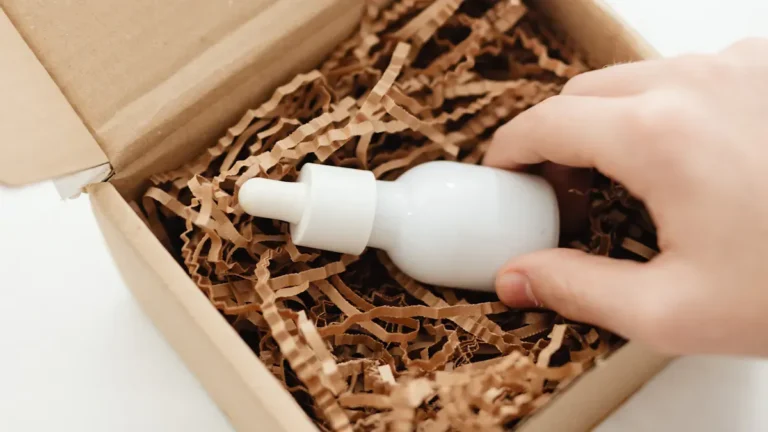
In crafting stable, effective botanical formulations, think of delivery and stability as the quiet partners that let your extracts do their best work. You want your community to trust each jar and bottle, so use encapsulation techniques to protect actives like green tea, licorice, and rosehip. Pair that with packaging innovations that limit light, air, and heat exposure. Below is a simple table to keep concepts clear and warm.
| Goal | Method | Benefit |
|---|---|---|
| Protect actives | Encapsulation techniques | Longer potency |
| Prevent oxidation | Airless pumps | Less waste |
| Improve absorption | Liposomes, nanoemulsions | Targeted delivery |
| Preserve trust | UV barrier packaging | Visible quality |
You’ll feel confident choosing methods that keep extracts effective and your customers included.
Safety and Patch-Testing Botanical Ingredients
If you’ve ever worried about trying a new botanical on your face, you’re not alone and that caution actually helps protect your skin. You can build trust with a simple spot test protocol that checks for irritation, allergy, and ingredient interactions with layers you already use. Start small, wait 24 to 72 hours, and note changes. Invite a friend to test with you for comfort and shared learning.
- Choose an inner forearm patch, apply product, cover with a bandage, and record time and reaction.
- Test combinations if you use acids or retinoids so you catch ingredient interactions before your face is exposed.
- Keep a patch journal with photos, dates, and supportive notes to track patterns and feel confident.
How to Pick Products: Labels, Claims, and Red Flags
When you’re shopping for botanical skincare, knowing how to read labels and spot red flags will save you time, money, and irritation, so you’ll feel confident about what you’re putting on your skin. You belong to a community of careful buyers who value label literacy.
First, scan ingredients from highest to lowest. Look for clear botanical names like Centella asiatica or green tea rather than vague “plant extracts.”
Second, watch claims such as miracle, detox, or clinical without data. Marketing skeptics know flashy words hide low concentrations.
Third, check for allergens, alcohol, or unnecessary fragrance that can irritate.
Fourth, verify certifications and contact info.
Finally, trust texture and scent in a patch test, and swap tips with friends for safer choices.
Frequently Asked Questions
Can Botanical Extracts Interact With My Prescription Topical Medications?
Yes. Roughly three in ten topical combinations can change how a prescription medication works. Look for signs like increased redness, stinging, peeling, or unexpected irritation. To reduce risk, apply your botanical product at a different time of day than your prescription, for example use the prescription in the morning and the botanical at night, or wait at least 30 to 60 minutes between applications. Bring a list of all creams, serums, and oils to your next appointment so your clinician can check for specific interactions and give personalized advice.
Can I Use Multiple Botanical Serums Together Safely?
Yes. Confirm each serum’s active ingredients for compatibility, apply them from the lightest water-based formula to the richest oil-based formula, avoid pairing strong actives like high-concentration retinol with potent vitamin C serums, patch-test each new pairing on your jawline for 48 hours, and choose combinations that target your skin goals such as hydration plus antioxidant protection or acne control plus soothing botanicals.
Do Botanical Extracts Affect Hormonal Acne Differently?
Yes. Use botanicals that regulate hormones such as vitex or maca to reduce cyclical flare-ups, and choose androgen-targeting extracts like saw palmetto or green tea to curb oil-driven pimples. Combine these options thoughtfully with your existing skincare, track responses over 6 to 8 weeks, and consult your dermatologist before adding them.
Are Botanical Extracts Safe During Pregnancy or Breastfeeding?
Yes. Several plant-based extracts are generally considered safe during pregnancy and breastfeeding, but do not assume every botanical is harmless. Talk with your obstetrician or lactation consultant before using new products. Prefer mild options such as rose water for hydration, chamomile tea topically or in aromatherapy-free skincare, and pure aloe vera gel for irritation. Avoid products with high-strength retinol or vitamin A derivatives, concentrated turmeric extracts, and undiluted essential oils such as clary sage or rosemary, and skip any supplement or topical ingredient at doses above those recommended by your clinician.
How Long Before I See Results From Botanical Skincare?
Expect to see softer texture and fewer breakouts within 2 to 4 weeks; after one skin turnover of about 28 days, pores and rough patches often smooth noticeably. By weeks 8 to 12 you should see reduced redness and measurable lightening of dark spots, especially if you use sunscreen and a gentle exfoliant twice weekly.