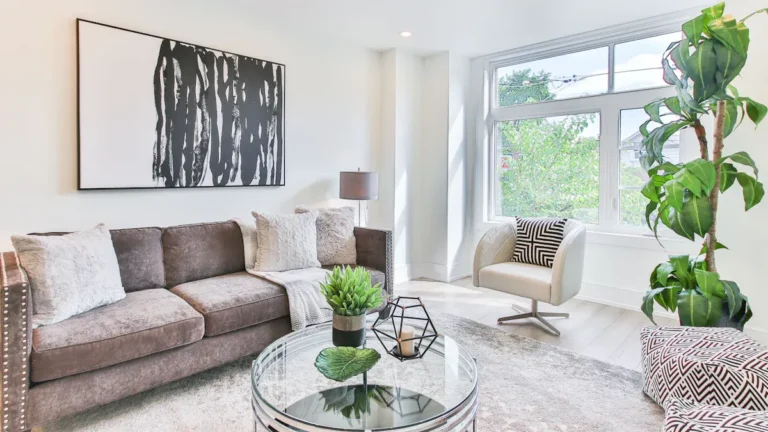
Choose an air purifier based on your room’s square footage, ceiling height, and how often you want the air cleaned each hour. A unit that’s too small won’t clean enough air, while one that’s too large can be unnecessary. Check the purifier’s coverage rating and CADR to match it to your space. Pets, allergies, smoke, and open layouts can all mean you need a stronger unit.
Size Your Air Purifier Fast
When you want to size your air purifier fast, start by measuring your room’s length and width to get the square footage, because that one number gives you a solid starting point. Then match that size to a purifier with enough CADR, not just a flashy room claim. You deserve air that feels right for your space, not guesswork.
For quick sizing tips, look for a unit that can handle at least your room’s standard needs, and go a bit bigger if you want faster cleaning or deal with smoke, allergies, or pets. That extra capacity helps your whole space feel cared for.
Also, consider portable purifier placement. Keep it where air can move freely, away from tight corners, behind furniture, or blocked walls, so your purifier can support everyone in the room.
Measure Your Room Correctly
Before you choose a purifier, you need to measure your room the right way. Start with the room’s length and width to calculate total square footage, then check the ceiling height because taller ceilings mean more air to clean.
In case your ceiling is over 8 feet or your room has an odd shape, you’ll need to adjust your numbers so you don’t buy a unit that’s too small.
Room Length And Width
Since the right air purifier size starts with the right room size, your initial job is simple: measure the length and width of the space as carefully as you can.
Grab a tape measure, record each wall, and write the numbers down so your room dimensions stay clear and consistent.
For rectangular spaces, you can multiply length times width to find the square footage.
That number gives you the foundation for choosing a purifier that truly fits your space.
When your room isn’t a perfect rectangle, don’t worry, you’re not the only one.
Just break the area into smaller sections, measure each one, and add them together.
This step helps you feel confident that you’re sizing your purifier for the room you actually live in, not a rough guess that leaves you out of breath.
Ceiling Height Matters
Room width and length give you the floor area, but ceiling height tells you how much air the purifier actually has to clean.
When your room height is taller than the standard 8 feet, the purifier must work harder to refresh the space you share every day.
That extra air matters, especially in lofts, finished basements, and rooms with vaulted ceilings.
Calculate Total Square Footage
A quick tape measure check gives you the number that drives every other sizing step. To measure your room correctly, use area multiplication basics: multiply the room’s length x its width to get square footage. That simple number helps you choose a purifier that truly fits your space, so your home feels comfortable and cared for.
When your room isn’t a perfect rectangle, don’t worry. Many homes have quirks, and you’re not alone. Just split the layout into irregular room sections, measure each one, and add the totals. Include alcoves, small nooks, and connected spaces the purifier will serve. Whenever one area opens into another, count that too.
When you know the full square footage, you can move to purifier sizing with more confidence and far fewer second guesses later.
Match Purifier Size to Room Size
Once you know your room’s square footage, you can match it to a purifier that’s built to handle that space.
You should compare coverage ratings carefully, because some brands base them on slow cleaning that won’t give you the fresh air you expect.
For a better fit, check the CADR and make sure it lines up with your room size, especially should you want faster, stronger cleaning.
Calculate Room Square Footage
Start with two simple numbers: your room’s length and width. Measure wall to wall, then multiply them to get square footage. That quick step turns floor dimensions into a number you can trust. Unless your space isn’t a perfect box, don’t worry. You’re not the only one with a quirky room.
Just use basic area formulas, split the room into sections, measure each part, and add them together.
- You’ll feel more confident once the math finally makes your space make sense.
- You’ll avoid guessing, which helps you care for the people sharing your air.
- You’ll know your room better, and that small win feels surprisingly good.
Next, check ceiling height only provided it’s unusually tall, since standard rooms usually follow the same sizing baseline for most homes.
Compare Coverage Ratings
Now that you know your room’s square footage, the next step is to compare that number with the purifier’s coverage rating, and this is where many shoppers get tripped up.
Don’t lean on big room-size claims alone. Many brands base them on just one air change per hour, which won’t make your space feel truly fresh.
Instead, check the CADR and match it to your room volume and air-change goal. For most rooms, you’ll want about 3 ACH.
Provided you’re sensitive to dust, smoke, or germs, aim higher. That’s why efficiency comparisons matter more than flashy labels. As you look at models, use brand testing and CADR numbers to see what really fits.
Once the rating matches your room, you’ll feel more confident, comfortable, and at home with your choice every single day.
Adjust for High Ceilings and Open Layouts
In case your room has high ceilings or flows into other spaces, you can’t size an air purifier according to floor area alone. You need to consider air volume and movement. Taller rooms hold more air, and ceiling stratification can trap particles above your breathing zone. Open plans also create multi zone circulation, so air from the kitchen, hall, or dining area keeps mixing back in.
- You deserve air that feels steady and comforting, not clean in one corner and stale in another.
- Whenever your space connects, count the extra area or split it into sections so you don’t feel left out from weak coverage.
- In case ceilings rise above 8 feet, adjust upward for volume so your purifier can keep up with the room you share, relax in, and call home every single day.
Use CADR to Pick the Right Size
How do you know whether an air purifier is truly strong enough for your room? You use CADR, which shows how much clean air the unit delivers. That helps you match purifier power to your space, not vague marketing claims. Start with your room volume, then use ACH target selection to decide how often you want the air cleaned each hour.
| Room need | ACH goal | CADR fit |
|---|---|---|
| Basic daily use | 3 ACH | Meets minimum |
| Sensitive spaces | 4 ACH | Faster cleaning |
Next, use CADR comparison methods to compare models on equal ground. When two purifiers claim the same room size, the higher CADR usually gives you stronger, more reliable performance. That way, you can choose with confidence and feel at home in your space every day.
Choose More Coverage for Pets and Allergies
CADR gives you the baseline, but pets and allergies often mean you should size up from that minimum. When you share your home with furry family members or wake up stuffy, choose an air purifier with higher coverage and a stronger CADR than your room alone suggests. That extra power helps capture more pet dander and supports better allergy relief throughout the day.
- You deserve a home where breathing feels easy and welcoming.
- Your pet belongs with you, and cleaner air helps everyone feel comfortable together.
- You shouldn’t have to choose between cuddles and clearer air.
Because allergens build up fast, a slightly larger unit can clean the air more often each hour. That means fewer particles floating around your group spaces, bedrooms, and favorite corners where your household gathers daily.
Avoid Common Air Purifier Sizing Mistakes
Even a strong air purifier can disappoint you when the size match is wrong. You deserve air that feels right, not a unit that works hard but cleans too little space. Initially, don’t trust oversized marketing claims. Check CADR against your room’s true volume, especially when ceilings rise above eight feet or the layout opens into other areas.
| Mistake | Better move |
|---|---|
| Using floor area only | Include ceiling height |
| One unit for open plan | Add another purifier |
| Hiding purifier in corners | Improve placement strategy |
Also, don’t ignore filter maintenance. A clogged filter cuts airflow, so even the right size can underperform. Should allergies, pets, or smoke affect your home, size up a bit. That way, your space feels fresher, calmer, and more like the healthy place everyone wants to share.
Frequently Asked Questions
Can One Air Purifier Replace My HVAC Filter?
No, an air purifier cannot replace your HVAC filter. Your HVAC filter protects the system and helps block filter bypass, while an air purifier helps reduce airborne particles in the living space. Both support cleaner indoor air and proper HVAC compatibility.
How Loud Are Larger Air Purifiers at Higher Speeds?
At higher speeds, larger air purifiers produce more audible fan noise because they push a greater volume of air. Expect a clearly noticeable sound level, especially in quiet rooms, though a properly sized unit can still maintain clean, comfortable air without feeling intrusive.
Where Should I Place an Air Purifier for Best Results?
Place your air purifier in a central spot, a few feet from walls, close to pollution sources, and away from corners or large furniture. Keep the airflow clear so it can clean the air more effectively throughout the room.
How Often Do Air Purifier Filters Need Replacement?
Most air purifier filters need replacement every 6 to 12 months, though the exact timing depends on runtime, indoor air quality, and the purifier model. Review the filter status each month and replace it on schedule to keep the air in your shared space clean.
Do Air Purifiers Help With Odors and VOCS?
An air purifier can cut lingering smells and lower certain airborne chemicals when it includes activated carbon. Look for a model designed for odor control and VOC reduction to help the room smell cleaner and feel more comfortable.