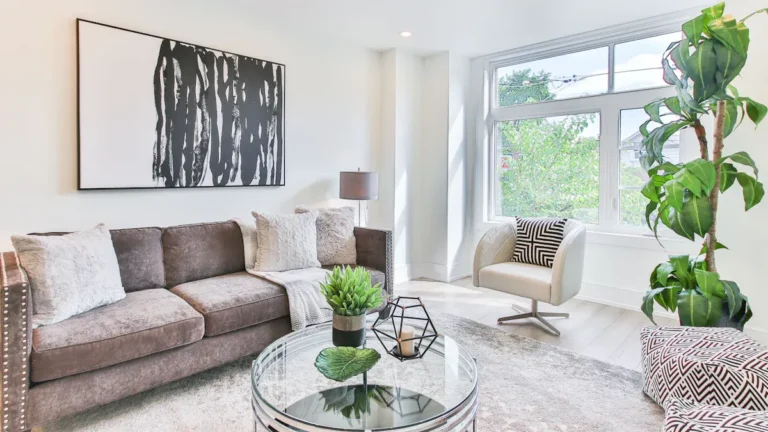
Good lighting can transform a home by making each room feel warmer, brighter, and more useful. A smart mix of ceiling lights, lamps, and accent pieces creates comfort and style without much effort. Natural light, mirror placement, and bulb color all shape the mood of a space. With a few thoughtful choices, your interior can feel more open, calm, and inviting.
Start With a Lighting Plan for Each Room
Before you buy a new lamp or swap a bulb, take a moment to plan how each room needs to work and feel. Whenever you set room specific lighting goals, you make your home easier to use and more welcoming for everyone who gathers there. Consider about who uses the space, what happens there, and whenever you need light most.
Next, try fixture placement sketching on a simple floor plan. Mark windows, doors, seating, and major furniture initially. Then observe where glare, shadows, or dull spots could show up. This helps you choose lighting that supports daily routines and makes each area feel connected. A busy kitchen, a calm bedroom, and a friendly entry all need different plans. Whenever your lighting matches real life, your home feels more comfortable, personal, and ready to welcome people in.
Layer Ambient, Task, and Accent Lighting
Once you’ve mapped out each room, you can make it feel complete using layering ambient, task, and accent lighting.
You’ll use ambient light to set a balanced base, task lighting to help you cook, read, or work with ease, and accent lights to draw the eye to the features you love most.
Whenever you combine these layers, your space feels warmer, brighter, and far more inviting.
Balance Ambient Lighting
Often, the easiest way to make a room feel warm, useful, and stylish at the same time is to layer your lighting instead of relying on one ceiling fixture to do all the work. For balanced ambient lighting, you want a soft base that gives your room even illumination and helps everyone feel comfortable the moment they walk in.
Start with a ceiling light, chandelier, or recessed fixtures, then spread support lighting around the room with sconces, table lamps, or floor lamps. This mix fills dark corners and creates a calming balance that feels welcoming, not flat. Warm bulbs make shared spaces feel connected and lived in, while dimmers let you shift the mood as daylight changes. As your ambient lighting feels steady and gentle, your whole room feels easier to enjoy, gather in, and call home.
Focus Task Lighting
While ambient light helps the whole room feel open and comfortable, task lighting gives you the clear, focused brightness you need for real life moments like chopping vegetables, reading in bed, working at a desk, or getting ready in the morning.
When you place it close to where life happens, you reduce shadows and feel more at ease in your space. That matters in shared homes where comfort helps everyone settle in.
- Add adjustable lamps beside reading nooks
- Use undercabinet lights for safer meal prep
- Place slim lamps on home office desks
- Choose moderate brightness over one harsh bulb
- Aim light toward work zones, not whole rooms
This layer supports your routines without making the room feel cold. In that way, your home feels thoughtful, welcoming, and ready for the people who belong there.
Highlight With Accents
How do you make a room feel finished instead of flat? You layer light so everyone who gathers there feels welcome.
Start with ambient lighting for a soft base, then add task lighting where life happens, like beside a chair or over a counter. From there, bring in accent lighting to guide the eye and create warmth.
Use sconces, recessed lights, or small spotlights to show off architectural accents, artwork, plants, or a favorite shelf. Aim accent lights at least three times brighter than the room’s general glow to build focal point drama without feeling harsh.
Also, place fixtures at different heights to clear dark corners and add depth. As soon as your lights work together, your space feels thoughtful, lived in, and easy to belong to at any hour, every single day.
Increase Natural Light With Layout and Materials
Because natural light changes the way every color, texture, and finish looks, your layout and material choices should help it move through the room instead of blocking it. As you plan with care, your home feels more open, welcoming, and connected to the people in it.
- Keep furniture low near windows to protect sightlines.
- Improve window placement impact with airy curtains or simple shades.
- Use reflective surfaces like mirrors, glass, and soft metal finishes.
- Choose lighter rugs, walls, and wood tones to bounce daylight farther.
- Clear crowded pathways so sunlight can reach deeper into shared spaces.
As light travels better, your rooms feel easier to enjoy together.
You don’t need a full remodel to belong in a brighter home. Small shifts in layout and materials can help every corner feel warmer, calmer, and more inviting each day.
Choose Bulb Color Temperature for Mood
As daylight fades and your lamps take over, bulb color temperature starts to shape the feeling of the room in a very real way. You can use color psychology to help everyone feel welcome, relaxed, and connected. Soft bulb warmth works beautifully in bedrooms and inhabited rooms, while cooler light helps kitchens and work areas feel clear and active.
| Temperature | Mood |
|---|---|
| 2200K | Intimate |
| 2700K | Cozy |
| 3000K | Balanced |
| 4000K | Fresh |
| 5000K | Alert |
Because mood shifts through the day, your light should support that rhythm. Choose warmer bulbs after dusk when you want comfort, gentleness, and easy conversation. Pick cooler tones when you need focus or crisp contrast. Should you’re unsure, start with 2700K to 3000K, then adjust until the space feels like home for everyone, every single evening.
Pick Home Lighting Fixtures That Fit Your Style
While bulb color sets the mood, the fixture itself gives that mood a shape you can actually see, so it should match both your room and your personal style. When you choose pieces that feel like you, your home feels welcoming and complete. That sense of fit helps everyone feel they belong.
- Choose clean lines for modern rooms.
- Try curves or metalwork for classic spaces.
- Use fixture style pairing to connect furniture and lighting.
- Let scale match your ceiling height and room size.
- Make decorative finish selection support your hardware and decor.
As you move from mood to form, ponder about how each light looks whenever it’s off, too. A woven pendant feels relaxed and friendly, while a glass chandelier feels polished. Trust your taste.
Should a fixture feel right, it’ll help your space feel like home.
Use Lighting to Highlight Design Features
Once your fixtures match your style, the next step is helping them direct attention to the parts of the room you want people to notice initially. You can use accent lighting to guide the eye and make your space feel welcoming, polished, and thoughtfully shared.
Aim light at structural focal points like a fireplace, ceiling beams, built-in shelves, or crown molding. Then, use recessed lights, track heads, or wall sconces to create decorative feature emphasis around art, plants, or a favorite heirloom. Keep those highlighted areas brighter than the surrounding room so they stand out with purpose.
As you do, your home starts to feel more personal and connected, almost like it’s telling your story. With the right placement, lighting doesn’t just brighten a room, it helps everyone instantly see what makes your home special.
Fix Common Home Lighting Mistakes
Good lighting can spotlight your favorite features, but a few common mistakes can still make a room feel flat, gloomy, or harder to use. To avoid common lighting errors, build each room in layers so you feel comfortable, welcomed, and able to enjoy every corner.
- Add ambient light for clear, even visibility.
- Use task lights where you read, cook, or work.
- Place accent lights to highlight art or texture.
- Mix fixture heights to troubleshoot uneven room lighting.
- Choose warm bulbs and dimmers for a softer mood.
Then, check how daylight moves through your space. When one side feels dark, add lamps or sconces instead of one harsh overhead bulb. You don’t need a perfect designer setup. You just need lighting that supports your routines and makes your home feel like it truly fits you every day.
Frequently Asked Questions
How Often Should I Replace LED Bulbs in Home Fixtures?
Most LED bulbs last about 10 to 20 years, depending on how many hours they run each day. Check the rated lifespan on the package and inspect fixtures once a year for dust, heat buildup, or loose connections to keep lighting dependable.
Do Smart Lighting Systems Increase Home Resale Value?
Yes, smart lighting systems can raise your home’s resale value by making the property feel more modern, functional, and appealing to buyers. Features such as app control, scheduling, and energy efficient operation can stand out to people who want convenience and a home that feels move in ready. Smart lighting can also improve how rooms look during showings, creating a warmer and more polished impression.
What Lighting Choices Are Best for Renters With Limited Installation Options?
Portable lamps, peel and stick wall lights, and plug in task lamps work well for renters who cannot make permanent changes. They add light where it is needed, soften dark corners, and make a room feel more comfortable without requiring major installation.
How Can Lighting Affect Sleep Quality and Circadian Rhythm?
Bright light in the morning reinforces your internal clock, while low, warm light at night supports natural melatonin release and steadier sleep timing, helping your body settle into a more consistent rhythm.
Are There Energy Rebates Available for Upgrading Home Lighting?
Yes, many utility companies, cities, and state energy offices offer rebates or incentives for switching to efficient home lighting. Check with your electric provider and local government to see which programs apply in your area and how much you can save.