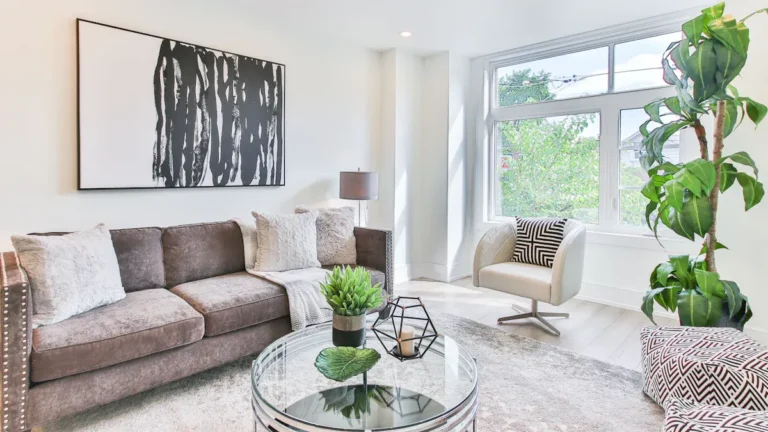
Choosing the best wall art starts with the room, the mood, and the wall size. Pick pieces that match the colors and style already in the space. Then place them at a height and layout that feels balanced and natural. The right art can make a room feel more personal, warm, and complete.
Walls do more than fill space—they set the tone for your home. A bold print can add energy, while soft landscapes create a calm feel. With the right size, colors, and placement, wall art helps tie the whole room together.
Start With the Room’s Purpose
Before you pick colors, frames, or sizes, start from considering about what the room needs to do for you every day.
When you choose art through that lens, your home feels more welcoming, useful, and connected to the way you live.
Think about the room’s functional priorities first.
In a living room, art often anchors the space and helps people gather comfortably.
In a bedroom, you usually want pieces that support rest and quiet.
In a kitchen, pick art that can handle moisture and still look fresh.
In a hallway, narrower artwork keeps the path open and helps the area feel cared for.
As you match art to room specific needs, you create spaces that feel right for your routines, your people, and the life you’re building together every day.
Choose the Mood You Want to Create
Atmosphere shapes how a room feels the moment you walk in, so your wall art should support the mood you want to live with each day. Whenever you choose pieces that reflect your emotional needs, your home starts feeling more like your place and your people.
- Pick soft scenery, warm neutrals, or gentle line art whenever you want a cozy atmosphere that helps everyone relax and settle in.
- Choose bright colors, bold shapes, or lively abstracts whenever you want an energizing vibe that sparks conversation and lifts the room.
- Consider about who gathers there. Art that feels welcoming, hopeful, or familiar helps guests connect and helps you feel grounded.
As you move from room purpose to mood, let your art echo the feeling you want shared, whether that’s comfort, joy, focus, or quiet confidence daily.
Choose the Right Art Size
Before you choose a piece, measure your wall so the art feels balanced instead of lost or crowded. You should also match the size of the artwork to the furniture below it, so your sofa, bed, or console and your art look connected. Once you get the scale right, your room instantly feels more pulled together and comfortable.
Measure Wall Proportions
A good rule starts with the wall itself: measure the width and height of the open space, then choose art that fills it with balance, not stress. Once you know your wall dimension ratios, you create a look that feels natural, welcoming, and truly yours.
Then, use those numbers to guide your choice with confidence:
- Measure open wall space only, so your art has room to breathe and belong.
- Compare width to height, especially with vertical wall measurements in hallways, corners, or tall bedroom walls.
- Aim for art that covers about 60 to 75 percent of the available area for an easy, grounded fit.
This step helps your home feel pulled together.
You won’t guess, second-guess, or end up with a piece that looks lonely or oversized.
Match Art To Furniture
Once you know your wall measurements, the next step is to match the art to the furniture below it, because size feels right only once those pieces work together.
As a rule, choose artwork that spans about two-thirds to three-quarters of your sofa, bed, or console. That proportion helps the room feel welcoming, balanced, and easy to settle into.
Then look closer at what sits below the art. A soft linen headboard pairs well with pieces that create texture harmony, while a sleek wood console can benefit from material contrast, like a bold canvas or metal frame. Provided your furniture feels heavy, go larger so the art can hold its place. Provided the piece is slim, keep the art lighter and narrower.
Whenever sizes connect, your room feels like it truly belongs together.
Pick Colors That Tie the Room Together
As you choose wall art colors that echo the shades already in your room, the whole space feels calmer, richer, and more pulled together. You create color harmony as your art repeats tones from rugs, pillows, curtains, or paint. That simple link helps every piece feel like it belongs, just like you want your home to feel.
Then, use art to support your accent palette without overpowering the room. A few shared colors can guide the eye and build comfort.
- Pull one main color from the room and repeat it in the artwork.
- Add one or two accent shades to give the space warmth and personality.
- Use black, white, or soft neutrals as you want flexibility and balance.
As your colors connect, your room feels welcoming, natural, and truly yours every single day.
Pick a Wall Art Style That Fits
Your wall art style should feel like it belongs in the room and still say something about you. Whenever you match art to your home’s look, you create style and decor harmony that helps every space feel welcoming. Should your room lean modern, choose abstract or minimalist prints with clean lines.
Should it feel warm and traditional, scenery, botanicals, or framed classics can fit naturally.
At the same time, don’t be afraid of modern and classic contrast. A sleek canvas in a cozy room can add energy, while a vintage-inspired print can soften a sharp space. You want your art to echo the mood you live in every day. Trust what makes you feel at home. The right style doesn’t just fill a wall. It helps your space feel like it truly includes you and your story.
Hang Wall Art at the Right Height
Once you’ve chosen a style you love, you need to hang it at a height that feels natural in the room. Start with eye-level placement so your art feels easy to view, then check the space above furniture to keep everything balanced.
When you hang a piece too high or too far from a sofa or console, the wall can feel disconnected.
Eye-Level Placement
Where you hang wall art matters just as much as the piece you choose, because the right height makes a room feel calm, balanced, and easy on the eyes. Whenever you place art near eye level, you create eye level symmetry that helps everyone feel at home. It also improves viewing comfort, so your space feels welcoming instead of awkward.
- Hang the center of your artwork around 57 to 60 inches from the floor. That height feels natural to most people.
- Adjust slightly for your household. Whenever your family is taller, lower or raise the piece just a bit so it feels right.
- Step back and trust the feeling. Whenever your eyes settle easily on the art, the placement supports connection, warmth, and a sense that you truly belong there.
Spacing Above Furniture
Eye-level placement gives you a strong starting point, and the next step is to look at the space between the art and the furniture below it.
When you hang a piece too high, it feels disconnected. When you bring it closer, the room feels warm, settled, and welcoming, like everything belongs together.
For most rooms, aim for 6 to 10 inches of furniture clearance above a sofa, console, bed, or bench. This keeps the art connected to the piece below and supports balanced sofa proportions.
Should your art be wide, center it over the furniture and keep its width around two-thirds to three-quarters of the furniture width. In cozy spaces, slightly tighter spacing can feel intimate.
In taller rooms, give the piece a little more breathing room, but don’t let it float away visually.
Group and Layer Wall Art Well
For a polished look, group and layer wall art in a way that feels connected, not crowded. You create warmth as each piece shares a common thread, like color, frame style, or mood. That unity helps your space feel welcoming and lived in, not random. Strong gallery wall composition starts with one anchor piece, then builds outward with balance.
- Repeat one element, such as black frames or soft blues, so every piece feels like it belongs.
- Mix sizes and use layered art textures to add depth, comfort, and a collected feel people naturally gather around.
- Keep spacing consistent, especially above furniture, so your arrangement feels calm and easy to trust.
As you layer, step back often. Should your eye be able to rest and move smoothly, you’ve created a display that truly feels like home for everyone.
Frequently Asked Questions
How Do I Protect Wall Art From Sunlight Damage?
Protect wall art from sunlight by adding UV filtering shades or film, placing pieces where direct sun does not reach them, and avoiding spots near bright windows. These steps help reduce fading and keep artwork looking vibrant over time.
What Wall Art Materials Are Easiest to Clean?
Choose glass framed prints or metal art instead of textured canvas for quicker cleanup. Prioritize wipeable finishes and low dust surfaces to keep your rooms looking neat, bright, and easy to maintain.
Should I Insure Expensive Wall Art Pieces?
Yes, insuring expensive wall art is a smart way to protect pieces that add meaning and character to your home. Choose coverage based on each piece’s appraised value so your collection is properly protected if it is damaged, stolen, or lost.
How Can I Choose Art on a Tight Budget?
Choose affordable art by checking thrift stores, buying printable downloads, and arranging a gallery wall with intention. Pick pieces that echo the room’s colors, choose sizes that fit the space, and the result will feel personal, inviting, and visually unified.
What Framing Options Best Preserve Artwork Long-Term?
For long term preservation, choose archival framing with acid free mats, UV protective glazing, sealed backing, and durable frames. These materials help shield artwork from light, moisture, and gradual deterioration, so the piece keeps its color, structure, and overall condition over time.