

Tailgating can feel like a relay race: you bring the food, the music, and the power. You want a generator that’s quiet, portable, and strong enough for speakers, chargers, and maybe even a grill or cooler. The six options ahead cover compact inverter models, RV-ready picks, and higher-output units, so you can match the machine to the crowd and the load without guessing what matters most.
| Portable Outdoor Gas Generator for Camping & Home Use |

| Budget-Friendly Pick | Power Output: 800W rated | Fuel Type: Gas/oil mix | Engine Type: 2-stroke | VIEW LATEST PRICE | Read Our Analysis |
| A-iPower 1700 Watt Portable Quiet Inverter Generator (GXS1700i) |

| Best for Electronics | Power Output: 1300W running | Fuel Type: Gasoline | Engine Type: 4-cycle OHV | VIEW LATEST PRICE | Read Our Analysis |
| FIRMAN W02985 Inverter Portable Generator with Remote Start |

| Best Overall | Power Output: 2900W running | Fuel Type: Gasoline | Engine Type: 4-stroke | VIEW LATEST PRICE | Read Our Analysis |
| 2400W Lightweight Portable Inverter Generator with CO Protection |

| Most Portable | Power Output: 1800W running | Fuel Type: Gasoline | Engine Type: Inverter engine | VIEW LATEST PRICE | Read Our Analysis |
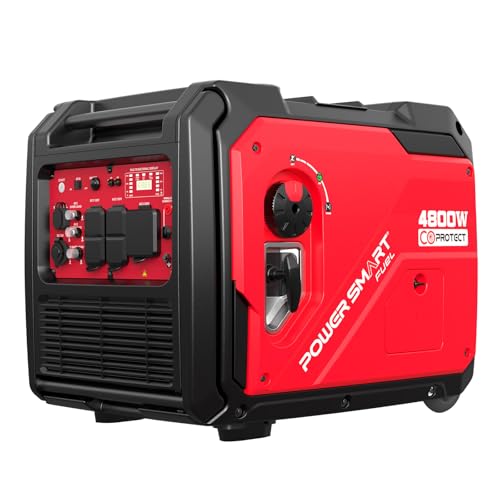
| PowerSmart 4800W Portable Inverter Generator with Electric Start |
| Best for Heavy Loads | Power Output: 3800W running | Fuel Type: Gasoline | Engine Type: 4-stroke OHV | VIEW LATEST PRICE | Read Our Analysis |
| 2800 Watt Portable Inverter Generator RV Ready |

| Quietest Option | Power Output: 2000W running | Fuel Type: Gasoline | Engine Type: Gas engine | VIEW LATEST PRICE | Read Our Analysis |
More Details on Our Top Picks
Portable Outdoor Gas Generator for Camping & Home Use
If you want a compact generator for tailgating, camping, or backup power at home, this portable outdoor gas generator is a strong fit. You get 800 watts of rated power and 900 watts of starting power from a 71cc, 2-stroke engine that runs on a 50:1 gas-oil mix. Its 4.2-liter tank can keep it going for up to 5 hours at half load. You can move it easily at 38.5 pounds, use the built-in reset protection, and start it with a recoil pull. It also includes a DC cable, wrench, and handle.
- Power Output:800W rated
- Fuel Type:Gas/oil mix
- Engine Type:2-stroke
- Runtime:Up to 5 hours
- Weight:38.5 lbs
- Starting Method:Recoil start
- Additional Feature:EPA approved
- Additional Feature:Remote reset protection
- Additional Feature:12V DC output
A-iPower 1700 Watt Portable Quiet Inverter Generator (GXS1700i)
The A-iPower GXS1700i is a smart pick for tailgaters who want a lightweight, quiet generator that still delivers clean power for phones, speakers, and other sensitive gear. You get 1,700 starting watts and 1,300 running watts from a 60 cc gas engine, plus inverter output with under 3% THD. At 29.5 pounds, it’s easy to move, and the 0.7-gallon tank can run up to 8 hours at light load. USB-A, USB-C, and a 20A duplex outlet cover your gear. Its CO sensor adds peace of mind.
- Power Output:1300W running
- Fuel Type:Gasoline
- Engine Type:4-cycle OHV
- Runtime:Up to 8 hours
- Weight:29.5 lbs
- Starting Method:Electric start
- Additional Feature:CO sensor shutdown
- Additional Feature:Parallel ready
- Additional Feature:USB-C port
FIRMAN W02985 Inverter Portable Generator with Remote Start
With remote start, electric start, and a recoil backup, the FIRMAN W02985 makes tailgating easier for anyone who wants reliable power without the hassle. You get 3,200 starting watts and 2,900 running watts, enough for TVs, coolers, and device charging through covered RV-ready outlets. Its inverter technology delivers clean, stable power, while the 1.8-gallon tank can run up to 10 hours. At 58 dB, it won’t drown out the game. Weighing 91 pounds, it’s portable enough for outings, and the 3-year warranty adds peace of mind.
- Power Output:2900W running
- Fuel Type:Gasoline
- Engine Type:4-stroke
- Runtime:Up to 10 hours
- Weight:91 lbs
- Starting Method:Remote/electric/recoil
- Additional Feature:Remote start
- Additional Feature:RV ready
- Additional Feature:Covered outlets
2400W Lightweight Portable Inverter Generator with CO Protection
Tailgating gets a lot easier when you’ve got a 39-pound inverter generator that’s easy to grab, quiet at 63 dB, and protected by a CO shut-off sensor. You can power phones, laptops, cameras, and drones with clean electricity under 3% THD, so your gear stays safe. Its 2400-watt peak and 1800-watt running output handle lights, speakers, and small appliances. Use the USB-A, USB-C, or covered 120V outlets, then switch on Eco Mode for up to 9 hours of runtime. If you need more capacity, you can run it in parallel.
- Power Output:1800W running
- Fuel Type:Gasoline
- Engine Type:Inverter engine
- Runtime:Up to 9 hours
- Weight:39 lb
- Starting Method:Recoil start
- Additional Feature:CO shut-off sensor
- Additional Feature:USB-A port
- Additional Feature:Parallel capability
PowerSmart 4800W Portable Inverter Generator with Electric Start
If you want a tailgating generator that can power more than just a cooler and a speaker, the PowerSmart 4800W Portable Inverter Generator fits the bill. You get 4,800 surge watts and 3,800 running watts from a 223cc 4-stroke engine, plus electric start with recoil backup. Its pure sine wave output safely handles laptops and phones, while Eco-Mode helps stretch gas. Plug into the RV outlet, two 120V outlets, USB ports, or 12V DC. At 67 dB, it stays fairly quiet. The CO sensor adds peace of mind.
- Power Output:3800W running
- Fuel Type:Gasoline
- Engine Type:4-stroke OHV
- Runtime:Up to 10 hours
- Weight:89 lb
- Starting Method:Electric/recoil start
- Additional Feature:CO automatic shutdown
- Additional Feature:RV outlet
- Additional Feature:Pure sine wave
2800 Watt Portable Inverter Generator RV Ready
This RV-ready inverter generator is a strong pick for campers, tailgaters, and mobile power users who want quiet, clean power in a compact package. You get 2,800 starting watts and 2,000 running watts, enough for lights, TVs, CPAP machines, phones, and laptops. Its pure sine wave output keeps sensitive gear safe, while ECO Mode helps you stretch runtime to 10 hours at 25% load. At just 58 dB, it won’t drown out the crowd. Weighing 39.8 pounds, it’s easy to carry, and parallel capability boosts your power when you need more.
- Power Output:2000W running
- Fuel Type:Gasoline
- Engine Type:Gas engine
- Runtime:Up to 10 hours
- Weight:39.8 lbs
- Starting Method:Recoil start
- Additional Feature:Quick Charge 3.0
- Additional Feature:LED status indicators
- Additional Feature:Ground terminal
Factors to Consider When Choosing Generators for Tailgating
When you choose a generator for tailgating, match the power output to the gear you plan to run, from grills to speakers and TVs. You’ll also want to check noise level, portability, fuel efficiency, and runtime so it fits your setup and doesn’t become a hassle. Make sure it has the right outlets and ports for your equipment before you buy.
Power Output Needs
Power output should match what you plan to run, so total the running watts of every device you’ll use at once and account for surge watts, since motors in coolers or speakers can draw 2–3 times more at startup. If you’re just powering lights, charging phones, and a Bluetooth speaker, 500–1,000 watts usually covers you. For electric grills, several speakers, or a big cooler, look at 1,500–3,000 watts or more. Add a 20–30% buffer above your estimated load so you don’t trip overload protection when demand spikes. If you’ll run laptops, streaming gear, or modern audio, choose clean inverter power with low THD. Planning to expand? Pick a parallel-capable generator or one with a higher peak rating to handle brief surges.
Noise Level Matters
Because tailgates depend on conversation, music, and nearby fans, generator noise matters as much as wattage. You should compare decibel ratings, aiming for about 60–65 dB at 23 feet so your generator won’t drown out the party. Inverter and eco-mode models usually sound quieter because they slow the engine when demand drops, which lowers RPMs and noise. Remember that distance helps: if you move the unit farther away, perceived sound falls, often by about 6 dB when you double the distance. Check noise specs at 25%, 50%, and 100% load, since louder operation often comes with heavier demand. Extra quieting features, like insulated housing, advanced mufflers, and rubber mounts, can also help keep your tailgate comfortable.
Portability And Weight
After noise, the next big factor is how easily you can move the generator from your vehicle to the tailgate spot. If you’ll carry it alone, aim for a unit under about 40 pounds; once you get into the 60 to 90-plus pound range, you’ll usually want a second person or wheels. Don’t stop at weight, though. A compact footprint, around 18 x 11 x 18 inches or smaller, slips into trunks and crowded setups more easily. Look for built-in handles, telescoping handles, or wheels, because good grip points make transport safer and feel lighter. Also, remember that fuel and accessories add real weight. Balance portability with power, but keep your setup simple, manageable, and easy to load, unload, and store after every game.
Fuel Efficiency Runtime
How long a generator runs matters just as much as how much power it puts out, especially if you’re tailgating for hours. You should check the rated wattage and the runtime the maker lists at 25% or 50% load, because that tells you how long it’ll keep lights, speakers, or a mini-fridge going. Tank size and engine efficiency also shape runtime; bigger tanks and efficient engines usually mean fewer refills. Eco or low-idle modes can stretch fuel use at lighter loads by slowing the engine, sometimes nearly doubling run time. Compare fuel burn per hour at the load you expect, so you know how much gas to pack. For all-day tailgates, aim for models that promise 6–10+ hours at realistic loads.
Outlet And Port Options
Outlet and port options matter just as much as wattage, since the right generator needs to match the plugs on the gear you actually bring. You should check how many AC outlets you get and whether they’re 120V household receptacles or a 30A RV/TT-30 outlet if you plan to power bigger appliances. USB-A and USB-C ports with 3.0 to 3.6A output let you charge phones, tablets, and accessories without extra adapters. A 12V DC or cigarette-style port helps you run coolers or charge batteries and automotive gear. If you may expand later, parallel-ready ports give you room to add a second unit and boost capacity. In tailgating conditions, covered outlets and clearly labeled GFCI or overload protection help keep use straightforward outdoors.
Safety And Protection
Once you’ve matched the plugs and ports to your gear, safety should be the next thing you check before tailgating with a generator. Choose a model with built-in carbon monoxide detection and automatic shutdown, or keep it at least 20 feet downwind from where people gather. Look for low-oil shutdown and overload protection so the engine stops before damage or fire starts. You should also want ground-fault protection and circuit breakers, plus covered, dry outlets to reduce shock and short-circuit risks. Use properly rated cords for high-draw devices, and don’t backfeed vehicle or venue wiring; use a transfer switch or professionally installed inlet instead. Place the unit on a stable, level, non-combustible surface, away from flammables, and store fuel in approved containers 20 feet away.
Compliance And Warranty
Before you buy, make sure the generator is EPA- and, where required, CARB-compliant so you can use it at public tailgate venues without risking fines or restrictions. Check the compliance label and manual for emissions details, then confirm the unit includes safety features such as CO shutoff sensors and low-oil automatic shutdown. These protections help you meet venue rules and protect everyone nearby. Next, review the warranty carefully: you’ll want to know how long it lasts, what it covers, and whether maintenance schedules or service records are required. Also, read the seller’s return policy and any trial period so you’re covered if the unit arrives defective or doesn’t fit your setup. Keep your receipt, serial number, and maintenance logs handy for any claim.
Frequently Asked Questions
How Much Fuel Does a Tailgating Generator Use per Hour?
Expect roughly 0.1 to 0.5 gallons per hour, varying with generator capacity and the electrical load. Compact inverter units use the least fuel, while full-size models consume more when powering coolers, speakers, and lights.
Can I Run a Generator in a Crowded Parking Lot?
No. Portable generators produce carbon monoxide, an odorless gas that can be fatal. OSHA estimates about 50 U.S. deaths per year from portable generators. Proper ventilation, ample distance from people and vehicles, and avoiding crowded areas are essential to prevent carbon monoxide poisoning.
What Size Extension Cord Is Safest for Tailgating?
You are safest with a 12 gauge heavy duty extension cord for most tailgating setups. For longer runs or higher power draws choose a 10 gauge cord. Match the cord amp rating to the generator output and ensure the cord is grounded.
How Do I Reduce Generator Noise Near Other Fans?
Place the generator at least 20 feet from other fans and, if possible, upwind of them. Build or buy a weatherproof sound-dampening enclosure lined with mass loaded vinyl or acoustic foam and allow proper ventilation. Choose an inverter generator rated for low decibel output and compare dBA figures at the same load. Route and point the exhaust away from the fans and people, and install a factory or aftermarket muffler if compatible. Sit the unit on dense rubber anti-vibration pads or isolation mounts to reduce structure-borne noise.
Are Dual-Fuel Generators Better for Long Tailgates?
Yes. Dual fuel generators are a strong choice for long tailgates because you can switch between gasoline and propane to extend runtime and reduce the need to refill. They add convenience and fuel flexibility, though you will accept some extra weight, higher purchase cost, and a bit more mechanical complexity.
Final Thoughts
When you’re picking a tailgating generator, focus on quiet operation, safe power, and easy transport. In fact, inverter generators can cut noise by roughly 50% compared with conventional models, which helps keep conversations, music, and game-day energy rolling. Choose a compact, CARB/EPA-compliant unit with CO protection, then match wattage to your gear. Do that, and you’ll spend less time worrying about power and more time enjoying the party.
