

If you’ve ever realized your binoculars need protection just after a rough trip, you’re not alone. You want a case that fits well, stands up to weather, and still feels easy to carry. From compact molded designs to harness-style options with extra storage, the best picks solve different problems on the move. The catch is choosing the one that matches how you actually use your gear.
| Maven Binocular Case Molded foam and ballistic nylon (Compact) |

| Best Custom Fit | Case Type: Molded binocular case | Protection: Water-repellent foam protection | Carry Style: Shoulder strap compatible | VIEW LATEST PRICE | Read Our Analysis |
| USA Gear Compact Weather Resistant Binocular Case |
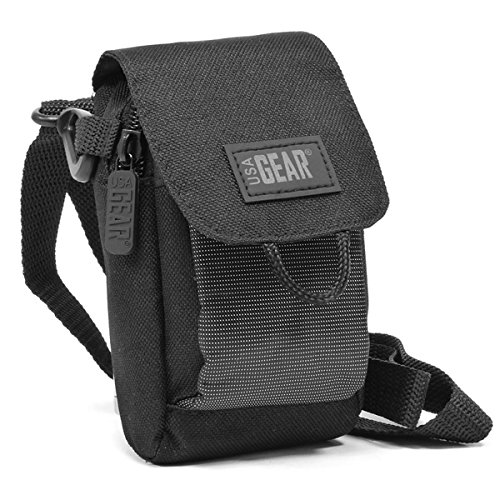
| Best Compact Case | Case Type: Compact binocular case | Protection: Water-resistant scratch protection | Carry Style: Shoulder, belt, or wrist carry | VIEW LATEST PRICE | Read Our Analysis |
| Binocular Harness Chest Pack with Rangefinder Pouch |
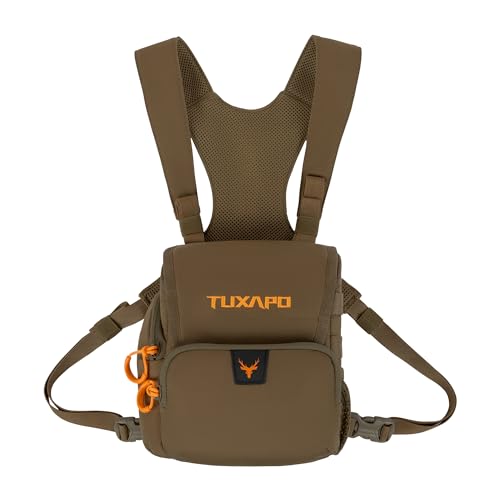
| Best Harness Pack | Case Type: Harness chest pack | Protection: Waterproof protection | Carry Style: 4-point harness carry | VIEW LATEST PRICE | Read Our Analysis |
| OCKLILY Binocular Harness Chest Pack with Rangefinder Pouch |
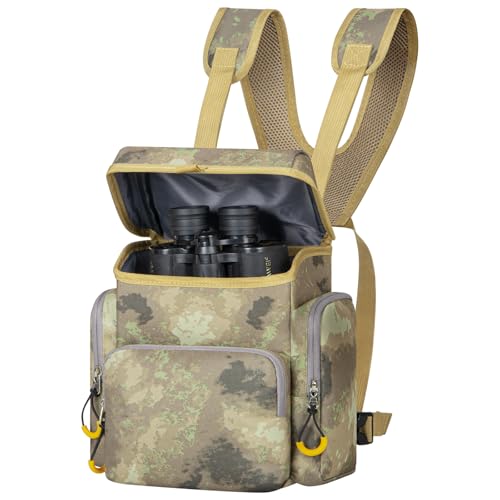
| Best All-Round Harness | Case Type: Harness chest pack | Protection: Rain cover protection | Carry Style: 4-point harness carry | VIEW LATEST PRICE | Read Our Analysis |
| CASEMATIX Hard Shell Binocular Case with Foam Interior |

| Best Hard Shell | Case Type: Hard shell case | Protection: Shock-absorbing foam protection | Carry Style: Shoulder strap carry | VIEW LATEST PRICE | Read Our Analysis |
| Eyeskey Universal Binoculars Case/Bag with Harness |

| Best Hands-Free Carry | Case Type: Universal binocular bag | Protection: Element-resistant protection | Carry Style: Adjustable harness carry | VIEW LATEST PRICE | Read Our Analysis |
More Details on Our Top Picks
Maven Binocular Case Molded foam and ballistic nylon (Compact)
The Maven Compact binocular case is a smart pick if you want rugged, streamlined protection for smaller MAVEN optics. You get durable ballistic nylon, molded foam, and a water-repellent exterior that helps guard your gear from rain, dust, and bumps. Its zip closure keeps everything secure, and female buckle attachments let you add a shoulder strap for easier carrying. Before you order, measure your optic at its widest and tallest points and compare it to the Compact size, which fits B3 or C2 models. It’s designed for specific MAVEN units, so it may not fit other brands well.
- Case Type:Molded binocular case
- Protection:Water-repellent foam protection
- Carry Style:Shoulder strap compatible
- Closure:Zipper closure
- Storage:No extra pocket
- Size/Fit:4 size options
- Additional Feature:Ballistic nylon exterior
- Additional Feature:Molded foam shell
- Additional Feature:Shoulder strap compatible
USA Gear Compact Weather Resistant Binocular Case
USA Gear’s Compact Weather Resistant Binocular Case is a smart pick if you want lightweight protection for small binoculars on the move. You get a form-fitting, rugged design with a water-resistant exterior and a scratch-resistant interior that helps shield your optics from bumps and weather. Use the detachable shoulder strap, belt loop, or wrist strap to carry it your way. A small accessory pocket gives you room for batteries or other essentials. It fits compact models like the POLDR 12×25 and Anourney 8×21, but you should check your binocular dimensions first before buying.
- Case Type:Compact binocular case
- Protection:Water-resistant scratch protection
- Carry Style:Shoulder, belt, or wrist carry
- Closure:Zipper closure
- Storage:Accessory pocket
- Size/Fit:Compact fit
- Additional Feature:Detachable shoulder strap
- Additional Feature:Belt loop carry
- Additional Feature:Small accessory pocket
Binocular Harness Chest Pack with Rangefinder Pouch
A binocular harness chest pack with a rangefinder pouch is a smart pick if you want hands-free carry and fast access in the field. The 4-point harness and padded shoulder straps spread weight evenly, so you’ll feel less strain on long hunts. A magnetic lid, YKK zippers, Duraflex hardware, and built-in tethers keep your gear secure yet easy to reach. Its waterproof build and stored rain cover help block moisture. You also get a rangefinder pouch, side MOLLE, mesh storage, and a streamlined profile for agile movement.
- Case Type:Harness chest pack
- Protection:Waterproof protection
- Carry Style:4-point harness carry
- Closure:Magnetic lid
- Storage:Rangefinder pouch
- Size/Fit:One-size fit
- Additional Feature:4-point bino harness
- Additional Feature:Magnetic lid access
- Additional Feature:Side MOLLE system
OCKLILY Binocular Harness Chest Pack with Rangefinder Pouch
OCKLILY’s Binocular Harness Chest Pack with Rangefinder Pouch is a smart pick if you want quick access, steady carry, and solid weather protection in one compact setup. You get a magnetic lid for fast access, plus a rain cover when the weather turns. The 4-point harness, cushioned back panel, and lightweight adjustable straps help spread weight and keep your gear stable. Its 1000D nylon build, reinforced buckles, and tough zippers handle rough use. With six pockets, you can organize binoculars, a rangefinder, and small essentials easily on hikes, hunts, or birdwatching trips.
- Case Type:Harness chest pack
- Protection:Rain cover protection
- Carry Style:4-point harness carry
- Closure:Magnetic lid
- Storage:Six pockets
- Size/Fit:Most-binocular fit
- Additional Feature:1000D nylon build
- Additional Feature:Cushioned back panel
- Additional Feature:Six-pocket layout
CASEMATIX Hard Shell Binocular Case with Foam Interior
If you want a compact binocular case that balances protection and portability, the CASEMATIX Hard Shell Binocular Case with Foam Interior is a strong pick. You get a tough shell with a densely woven exterior that helps guard your binoculars from drops and dings. Inside, soft convoluted foam cushions gear with top and bottom layers for cleaner storage. The comfortable rubber handle makes travel easier, and reinforced zippers add confidence. You also get a small netted pouch for accessories. With one main compartment and a 9 x 8 x 4-inch interior, double-check your fit before you buy.
- Case Type:Hard shell case
- Protection:Shock-absorbing foam protection
- Carry Style:Shoulder strap carry
- Closure:Zipper closure
- Storage:Accessory pouch
- Size/Fit:Large main compartment
- Additional Feature:Hard shell protection
- Additional Feature:Convoluted foam padding
- Additional Feature:Netted accessory pouch
Eyeskey Universal Binoculars Case/Bag with Harness
The Eyeskey Universal Binoculars Case/Bag with Harness is a strong pick for anyone who wants hands-free comfort and better gear protection in the field. You get lightweight, adjustable straps and four-direction support that spread weight across your body, so your neck and back won’t wear out as fast. Durable connector straps help keep your binoculars from dropping, while the case shields lenses from dirt and weather. You can slide gear into position quickly, then release it just as easily. It fits most full-size optics, plus rangefinders and tools, with mesh pockets for small essentials.
- Case Type:Universal binocular bag
- Protection:Element-resistant protection
- Carry Style:Adjustable harness carry
- Closure:Easy-release straps
- Storage:Mesh side pockets
- Size/Fit:Universal fit
- Additional Feature:Four-direction support
- Additional Feature:Binocular connector straps
- Additional Feature:Mesh side pockets
Factors to Consider When Choosing Binocular Cases
When you choose a binocular case, make sure it fits your gear well and gives the protection level you need. You’ll also want to think about carrying options, material durability, and how well it stands up to weather. These factors help you pick a case that keeps your binoculars safe and easy to use.
Size And Fit
Getting the right fit matters more than matching a case to a binocular’s label size, so measure your binoculars at their widest and tallest points before you buy. Compare those numbers with the case’s internal dimensions, since a few millimeters can make the difference between a snug fit and one that’s too tight. You should also account for eyecups, hinges, and any other protrusions, because they add bulk even when the binoculars seem compact. If you want to carry cleaning cloths, caps, or other small items, choose a case with extra room so the zipper closes easily. Keep in mind that some cases only suit certain size ranges, so a close match on paper still might not fit your specific binocular shape or brand well.
Protection Level
How much protection you need depends on where and how you use your binoculars. If you travel often or hike rough terrain, choose a hard shell case with a foam interior for better drop and ding defense. Look for molded or convoluted foam that absorbs shock and keeps optics cushioned during bumps. In wet, dusty, or humid conditions, pick a case with water-resistant or waterproof materials so moisture can’t reach your gear. You should also check the closure system; reinforced zippers, magnetic lids, and snug covers help keep the case shut and limit exposure. Finally, make sure the case fits closely. A snug interior prevents your binoculars from shifting around, which cuts down on scratches and other damage while you’re on the move.
Carrying Options
Once you’ve chosen the right level of protection, think about how you’ll carry the case. Pick a carrying method that fits your routine, whether that’s a shoulder strap, detachable strap, belt loop, wrist strap, or a hands-free harness. If you’ll hike or hunt for hours, a 4-point harness with padded straps can spread weight across both shoulders and ease strain. For fast access, choose designs with magnetic lids, zip closures, or secure buckles that open quickly without leaving gear exposed. If you like to bring extras, look for accessory pockets, mesh storage, or side pouches for batteries, a rangefinder, or other small essentials. Make sure the system suits your trip, because compact travel carry and chest-mounted mobility serve different needs.
Material Durability
When you’re comparing binocular cases, material durability should be high on your list, since the exterior and interior both affect how well the case protects your optics over time. You’ll want tough outer fabrics like ballistic nylon or 1000D nylon, because they stand up to abrasion, tears, and hard use better than lighter materials. A hard shell or densely woven exterior can also give you stronger defense against drops and dings. Inside, look for molded foam or convoluted foam that cushions bumps and keeps your binoculars from shifting. Don’t overlook reinforced zippers, buckles, and webbing either; those parts take repeated stress and often fail first. When each component is built to last, your case stays dependable longer and your gear gets better protection.
Weather Resistance
Weather resistance matters a lot if you use binoculars outdoors in rain, mist, or damp conditions. You should look for water-resistant or waterproof materials that block moisture before it reaches your gear. A water-repellent outer covering can help shed drizzle and mist while protecting the optics inside. Also check for secure closures, like zippers, magnetic lids, or covered openings, because they limit water entry. If you often hike, birdwatch, or travel in wet weather, choose a case with an included rain cover or a fast-deploy moisture barrier for added protection. For the toughest conditions, durable nylon, hard shells, and similar rugged materials give you reliable defense against both water and everyday wear.
Storage Capacity
Storage capacity is one of the most important things to check, because a case only works well if your binoculars fit comfortably inside. Measure your binoculars at their widest and tallest points, then compare those numbers with the case’s internal dimensions. A snug fit helps limit shifting, but you still need enough room for foam padding and inserts, which eat into usable space. Small cases may offer about 4.75 x 3.25 x 2 inches, while larger ones can reach 9 x 8 x 4 inches or more. If you carry batteries, a lens pen, a rangefinder, or other gear, look for extra pockets or dedicated compartments. Side, front, back, or mesh storage can help you keep everything organized.
Access Convenience
Once you’ve confirmed the case has enough room, think about how quickly you can get to your binoculars in the field. A magnetic lid or quick-access opening lets you grab them faster than a fully zipped case. If you need frequent in-and-out use, choose a design that opens smoothly and doesn’t slow you down. Detachable shoulder straps, belt loops, or harness-style carry systems can also help by keeping the case positioned where you can remove and stow it easily. External pockets and side compartments let you reach batteries, a lens pen, or a rangefinder without opening the main compartment. A compact, form-fitting case reduces bulk, but it may limit extra gear. Secure zippers and buckles protect your optics, though they can add a step when speed matters most.
Harness Comfort
A good binocular harness should spread the load across your shoulders and torso, not concentrate it on your neck. You’ll feel the difference on long hikes, hunts, or birdwatching trips, especially when the harness uses four support points or padded shoulder straps. Adjustable straps help you dial in a secure fit, so your binoculars stay steady as you move. Look for cushioned back panels and even weight distribution, because they can cut pressure and reduce fatigue over time. A streamlined design with minimal bulk also makes it easier to turn, climb, and crouch without strain. If you carry heavier optics, choose a harness that supports both your shoulders and torso to limit bouncing and improve stability.
Frequently Asked Questions
How Do I Clean a Binocular Case Safely?
Empty the case and remove any loose debris by vacuuming with a brush attachment. Wipe the interior and exterior with a soft cloth dampened with warm water and a small amount of mild detergent. Rinse the cloth and remove any soap residue, then leave the case to air dry completely. Do not soak the case, use bleach, or scrub with abrasive pads.
Can Binocular Cases Fit Other Optics or Accessories?
Yes. Many binocular cases also accommodate rangefinders, compact cameras, and lens cloths. Measure the interior dimensions first so your gear fits snugly; about 60 percent of users repurpose their cases this way.
Are Hard Cases Better Than Soft Cases for Travel?
Yes. Hard cases offer superior impact resistance and better water protection, so they are the safer choice for protecting gear during travel. Soft cases are lighter and more convenient to carry, making them a good option when ease of transport is your priority.
How Much Weight Can a Binocular Harness Carry?
Most harnesses support about 1 to 3 pounds comfortably. Some models are rated for higher loads, but heavier binoculars will make the harness feel cumbersome. Verify your harness’s weight rating and choose binoculars that fall within that limit.
Do Binocular Cases Work in Extreme Weather Conditions?
Yes, if the case is explicitly weatherproof or insulated it can be used in extreme conditions, but avoid leaving it exposed for long periods. For best protection, use the case together with desiccant packs and a rain cover.
Final Thoughts
Whether you need a compact shell for travel or a harness pack for long days in the field, the right binocular case should fit your gear, not fight it. A hard case shields against bumps and weather, while a chest pack trades bulk for fast access and comfort. Choose protection over convenience, or convenience over protection, and you’ll feel the difference immediately. With the right case, your binoculars stay ready, secure, and easy to carry.
