

You might not know that the right AM/FM antenna can improve reception more than the radio itself. When you choose between indoor panels, loop antennas, telescopic whips, and hidden vehicle mounts, connector type and placement can make or break signal quality. The six options below cover the most practical fixes, and one of them may solve the static, dropouts, or weak stations you’ve been putting up with.
| Antop High Gain Indoor AM/FM Radio Antenna |
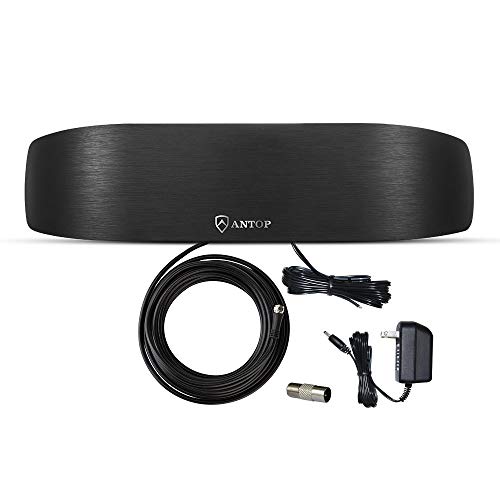
| Best Overall | Antenna Type: Indoor AM/FM panel antenna | Compatibility: AM/FM receivers | Connector Type: F female / AM spring clip | VIEW LATEST PRICE | Read Our Analysis |
| Bingfu FM and AM Loop Antenna for Receivers |

| Best for Receivers | Antenna Type: FM/AM loop antenna set | Compatibility: Stereo receivers and AV receivers | Connector Type: F-type / 2-pin bare wire | VIEW LATEST PRICE | Read Our Analysis |
| AM FM Universal Stainless Steel Radio Antenna 2pcs |

| Best Replacement | Antenna Type: Telescopic replacement antenna | Compatibility: Radios, TVs, cars, and more | Connector Type: Screw or plug-in | VIEW LATEST PRICE | Read Our Analysis |
| AntennaMastsRus Universal Hidden Style AM-FM Radio Antenna |
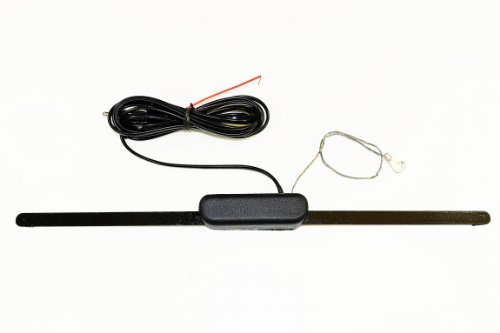
| Best Hidden Option | Antenna Type: Hidden-style vehicle antenna | Compatibility: Boats, RVs, motorcycles, and similar vehicles | Connector Type: Standard Motorola | VIEW LATEST PRICE | Read Our Analysis |
| FM and AM Indoor Stereo Receiver Antenna |

| Best Indoor Kit | Antenna Type: Indoor stereo receiver antenna set | Compatibility: Stereo receivers and AV receivers | Connector Type: F-type male / 2-pin bare wire | VIEW LATEST PRICE | Read Our Analysis |
| Bingfu Telescopic AM/FM Radio Antenna (2-Pack) |

| Best Telescopic Pair | Antenna Type: Telescopic replacement antenna | Compatibility: Radios, TVs, alarms, and sensors | Connector Type: Mounting hole | VIEW LATEST PRICE | Read Our Analysis |
More Details on Our Top Picks
Antop High Gain Indoor AM/FM Radio Antenna
If you want a simple indoor antenna that can do more than the basics, the Antop High Gain Indoor AM/FM Radio Antenna is a strong pick. You can use it with AM/FM receivers thanks to its multi-directional design, FM F connector, AM spring clip connectors, and included IEC-to-F adapter. Its SmartPass amplifier boosts strength, clarity, and channel access up to 50 miles away. You’ll also cut blind spots and cellular noise with the built-in 4G filter. The slim, lightweight panel installs in seconds, fits homes or RVs, and improves music, news, sports, and talk radio.
- Antenna Type:Indoor AM/FM panel antenna
- Compatibility:AM/FM receivers
- Connector Type:F female / AM spring clip
- Indoor Use:Yes
- Installation:Quick setup
- Build Material:Plastic/electronics
- Additional Feature:SmartPass signal amplifier
- Additional Feature:50-mile reception range
- Additional Feature:Built-in 4G filter
Bingfu FM and AM Loop Antenna for Receivers
The Bingfu FM and AM Loop Antenna kit is a smart pick for you if your receiver uses an F-type FM socket and a 2-pin AM terminal, especially on popular home audio brands like Pioneer, Onkyo, Yamaha, and Marantz. You get a 75 Ohm FM antenna plus a GND AM loop antenna for indoor stereo setups. It’s easy to install and helps improve FM and AM reception on home audio, AV, and Bluetooth receivers. Before you buy, confirm your socket types match. Use it indoors only, and you’ll enjoy clearer radio with less hassle.
- Antenna Type:FM/AM loop antenna set
- Compatibility:Stereo receivers and AV receivers
- Connector Type:F-type / 2-pin bare wire
- Indoor Use:Yes
- Installation:Easy install
- Build Material:Antenna wire
- Additional Feature:75-ohm FM connection
- Additional Feature:Separate AM loop antenna
- Additional Feature:Compatible with Pioneer receivers
AM FM Universal Stainless Steel Radio Antenna 2pcs
Need a simple, durable replacement for a broken antenna? You can grab this AM FM Universal Stainless Steel Radio Antenna 2pcs set and restore reception fast. Each silver telescopic antenna extends to 62 cm and uses 4 sections, so you can adjust it for better signal pickup. The stainless steel and brass build feels sturdy, and the screw-or-plug installation makes setup easy. You can use it with radios, TVs, car antennas, phone antennas, and similar gear. With 75-ohm impedance and a compact design, it’s a practical universal fix.
- Antenna Type:Telescopic replacement antenna
- Compatibility:Radios, TVs, cars, and more
- Connector Type:Screw or plug-in
- Indoor Use:Yes
- Installation:Screw/plug in
- Build Material:Stainless steel/brass
- Additional Feature:62 cm extended length
- Additional Feature:4-section telescopic design
- Additional Feature:2-pack replacement set
AntennaMastsRus Universal Hidden Style AM-FM Radio Antenna
AntennaMastsRus Universal Hidden Style AM-FM Radio Antenna is a smart pick for riders and drivers who want a discreet, high-performance setup on boats, hot rods, golf carts, motorcycles, campers, trailers, motorhomes, ATVs, UTVs, and other recreational vehicles. You get a hidden design with an 80-inch Standard Motorola reception wire and a 13 3/8-inch overall width. The peel-and-stick backing lets you mount it where you want, and the included instructions make installation easy. Built by a USA-based family business with 20+ years of expertise, it delivers trusted quality.
- Antenna Type:Hidden-style vehicle antenna
- Compatibility:Boats, RVs, motorcycles, and similar vehicles
- Connector Type:Standard Motorola
- Indoor Use:No
- Installation:Peel-and-stick
- Build Material:Adhesive-backed antenna
- Additional Feature:Hidden-style antenna design
- Additional Feature:80-inch reception wire
- Additional Feature:Peel-and-stick mounting
FM and AM Indoor Stereo Receiver Antenna
If you’re looking to bring clearer FM and steadier AM reception to a home stereo or AV receiver, this indoor stereo receiver antenna is a smart fit. You get a 75 ohm FM coax antenna with an F-type male connector that plugs straight into compatible receivers. The 4.9 ft cable helps you place it where signals are stronger. For AM, you connect the 2-pin bare-wire loop to the antenna terminals and use the fold-out base for support. It fits most indoor stereo, AV, and home theater receivers, and you can move it easily in your home, garage, basement, attic, or office.
- Antenna Type:Indoor stereo receiver antenna set
- Compatibility:Stereo receivers and AV receivers
- Connector Type:F-type male / 2-pin bare wire
- Indoor Use:Yes
- Installation:Simple connect
- Build Material:Antenna wire
- Additional Feature:4.9-foot FM cable
- Additional Feature:Fold-out AM base
- Additional Feature:Improved channel reception
Bingfu Telescopic AM/FM Radio Antenna (2-Pack)
The Bingfu Telescopic AM/FM Radio Antenna 2-pack is a practical pick if you need an easy-to-install replacement for a damaged radio or TV reception antenna. You get two stainless steel and brass telescopic antennas with six sections each, and you can extend them from 16 cm to 65 cm to suit your setup. The 2.5 mm mounting hole helps you fit them on indoor portable radios, home stereo receivers, TV tuners, and more. You can also use them with alarm systems, sensors, toys, and frequency meters when you need a simple, reliable signal boost.
- Antenna Type:Telescopic replacement antenna
- Compatibility:Radios, TVs, alarms, and sensors
- Connector Type:Mounting hole
- Indoor Use:Yes
- Installation:Easy install
- Build Material:Stainless steel/brass
- Additional Feature:6-section telescopic build
- Additional Feature:65 cm extended length
- Additional Feature:2.5 mm mount hole
Factors to Consider When Choosing Am Fm Radio Antennas
When you choose an AM/FM radio antenna, you’ll want to think about signal range first so you can get the clearest reception. You should also check connector compatibility, decide whether you need an indoor or outdoor model, and pick the antenna type that fits your setup. If you want an easy upgrade, look for one that’s simple to install.
Signal Range
Signal range is one of the biggest factors to weigh because FM reception is usually line-of-sight, so your antenna may pull in signals only a few miles indoors but 50+ miles with a high-gain outdoor setup in favorable conditions. Indoors, walls and building materials can cut your effective reach by half or more, so an outdoor install often gives you cleaner results. For AM, you’ll usually get farther, especially at night, since groundwave and skywave propagation can carry signals tens or hundreds of miles. Raise FM antennas and reduce obstructions to improve range. On AM, adjust loop direction and grounding to help local reception. Amplified antennas can extend usable range, but they may also boost noise and interference, so stronger gain doesn’t always mean clearer listening.
Connector Compatibility
Next, check connector compatibility before you buy, because the right antenna still won’t help if it doesn’t fit your receiver. For FM, look at whether your unit needs an F-type 75-ohm coax connector or an IEC plug, and match it exactly or use the proper adapter. For AM, make sure the antenna ends fit your receiver’s two-pin or spring-clip bare-wire terminals. You should also confirm impedance, since most FM gear expects 75 ohms unbalanced; a mismatch can weaken reception. If you’re replacing or extending an antenna, check the connector gender and thread size so the pieces screw together securely. When your device has odd or multiple antenna ports, choose the included adapter or adapter cable that preserves clean signal continuity.
Indoor Or Outdoor Use
Once you’ve matched the connector, decide where you’ll use the antenna most often. If you want the strongest, most consistent reception, an outdoor antenna usually wins because you can mount it higher and clear of obstacles, giving it a better view of broadcast towers. That extra height often helps both AM and FM range. Choose indoor if you value convenience, portability, and easy setup. It can work well for FM within about 50–75 miles of a transmitter, especially when local signals are strong. Outdoors, you’ll need weatherproofing, sturdy mounting, and grounding. Indoors, you avoid that hassle, but household electronics and building materials can add interference. Placement near windows or exterior walls, plus easy repositioning, often makes a big difference.
Antenna Type
Antenna type matters because different designs work better for different bands, spaces, and signal conditions. For AM, you’ll often get better results from a loop antenna, especially for medium-wave stations, because it can reject nearby noise and favor a direction. For FM, a 75-ohm coax-fed dipole, folded dipole, or flat panel antenna usually gives you wideband reception across 88–108 MHz. If you need simple tuning, a telescopic or whip antenna lets you adjust length to match VHF FM and replace damaged parts. Amplified antennas can help with weak signals, but they need power and can pull in more interference. Hidden, adhesive, or magnetic-mount antennas work well when you want a low-profile setup and flexible placement.
Installation Ease
Installation ease matters because a good AM/FM antenna should be simple to set up and easy to place where it performs best. You should check connector compatibility first, whether you need F-type coax, 75 Ω coax, 2-pin AM terminals, spring clips, or screw and solder mounts, so you can avoid adapters and get plug-and-play setup. Choose models with peel-and-stick bases, fold-out stands, or magnetic mounts if you don’t want drilling or permanent hardware. Favor antennas with short, clear instructions and included cables or adapters, because they can cut setup to minutes. Also consider the antenna’s shape and cable length, since a flat panel, loop, telescopic, or whip design can help you place it well without new wiring. Lightweight, adjustable designs make repositioning easy.
Interference Reduction
After you’ve got the antenna set up, focus on how well it rejects interference. You should look for built-in filtering, like 4G or cellular rejection for FM, because it cuts nearby strong signals that can overload the receiver. Use shielded 75-ohm coax and solid connectors so household electronics don’t leak noise into the line. Keep the antenna away from LEDs, Wi‑Fi routers, power supplies, and fluorescent lights, since those devices often generate broadband hash. Placement matters too: put FM antennas higher with a clear path, and orient AM loops to null local noise. For AM, use a dedicated loop or ferrite antenna, and don’t run its wire parallel to mains or signal cables, or you’ll pick up hum and extra interference.
Build Quality
When you’re choosing an AM/FM radio antenna, build quality matters because tougher materials and hardware usually last longer and perform more consistently. You’ll get better durability from stainless steel or brass, since they resist corrosion far better than cheap metals or plastic. Check the connector too: a solid, well-soldered plug and sturdy mounting parts help you avoid signal loss and annoying dropouts. If you’re using a telescopic antenna, look for multiple metal sections with tight joints so it extends smoothly without wobbling or snapping. A strong enclosure and strain relief protect the coax cable from bending and pulling. Reinforced adhesive bases, screw mounts, or quality peel-and-stick backing also keep the antenna steady, so you maintain proper placement and clean reception.
Frequently Asked Questions
Can One Antenna Improve Both AM and FM Stations Equally?
No. Because AM and FM use very different frequencies and antenna types, a single antenna will not improve both equally. You must use an antenna specifically designed for both bands or install separate AM and FM antennas.
Do Indoor Antennas Work Well in Apartments With Heavy Interference?
Yes. In a concrete apartment the FM dipole can reduce static, but thick walls and nearby electronics may still block stations. Try moving the antenna to a window or higher location, add ferrite or foil shielding around noisy devices, or use an amplified indoor antenna to improve reception.
How Do I Know if My Radio Needs a Replacement Antenna?
You need a replacement antenna if stations remain noisy, weak, or drop out after you have inspected the connections and tried different antenna positions. If repositioning produces no improvement, the antenna is probably damaged, missing, or inadequate for your reception area.
Will an Antenna Help Reception in Rural Areas With Weak Signals?
Yes. Upgrading to a higher-gain antenna or one designed for long-range reception can increase signal strength, lower noise, and allow you to receive more stations in rural areas. Keep in mind that surrounding terrain and the distance to broadcast towers will still limit the overall improvement.
Can I Install an Am/Fm Antenna Without Tools?
Yes. If the antenna snaps or screws into place like a key fitting a lock you can install it without tools. Many indoor AM/FM antennas are designed for tool-free installation. Outdoor antennas typically require brackets, clips, or a screwdriver.
Final Thoughts
So, when you choose one of these AM/FM antennas, you’re really tuning the last mile of the signal chase—like catching a whisper before it fades. Pick the right connector, mount it high, and angle it to dodge interference, and you’ll hear the difference fast. Whether you need a discreet car fix, a sturdy whip, or a directional loop, you’ve got solid options for clearer reception almost anywhere.
