

If you’re juggling work, streaming, and the occasional creative project, the right widescreen laptop can make the day feel a lot smoother. You’ll see options here that range from portable 2-in-1s to larger 17.3-inch machines built for more screen space and better multitasking. Some lean toward battery life and flexibility, while others push performance and ports. The trade-offs aren’t obvious at first, and that’s where things get interesting.
| HP Envy 2-in-1 16″ Touchscreen Laptop (Ryzen 5) |

| Best 2-in-1 | Processor: AMD Ryzen 5 8640HS | Display Size: 16-inch | Memory: 8 GB LPDDR5 | VIEW LATEST PRICE | Read Our Analysis |
| HP 17.3″ Business Laptop with Office 2021 |

| Best for Business | Processor: Intel Core i3-1125G4 | Display Size: 17.3-inch | Memory: 16 GB DDR4 | VIEW LATEST PRICE | Read Our Analysis |
| HP ProBook 460 G11 Laptop with Core Ultra 5 |

| Best for Pros | Processor: Intel Core Ultra 5 125U | Display Size: 16-inch | Memory: 16 GB DDR5 | VIEW LATEST PRICE | Read Our Analysis |
| Lenovo Yoga C740 2-in-1 Laptop (i5-10210U) |

| Best Convertible | Processor: Intel Core i5-10210U | Display Size: 15.6-inch | Memory: 12 GB RAM | VIEW LATEST PRICE | Read Our Analysis |
| HP Envy 2-in-1 Laptop 16″ Touchscreen 16GB/512GB SSD |

| Best Premium Pick | Processor: Intel Core Ultra 5 | Display Size: 16-inch | Memory: 16 GB LPDDR5 | VIEW LATEST PRICE | Read Our Analysis |
| Lenovo IdeaPad 330S 15.6″ HD Laptop (i3 8GB 256GB) |
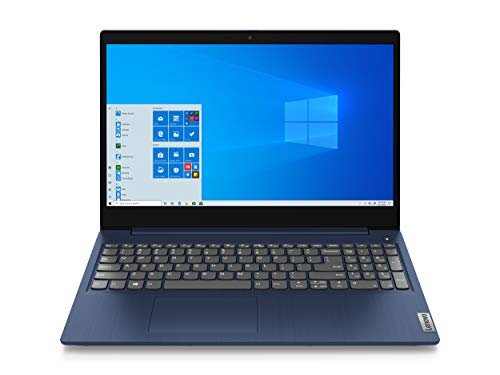
| Budget-Friendly Pick | Processor: Intel Core i3-8130U | Display Size: 15.6-inch | Memory: 8 GB DDR4 | VIEW LATEST PRICE | Read Our Analysis |
More Details on Our Top Picks
HP Envy 2-in-1 16″ Touchscreen Laptop (Ryzen 5)
If you want a versatile widescreen laptop that can handle everyday work, creative tasks, and flexible use, the HP Envy 2-in-1 16″ Touchscreen Laptop is a strong pick. You get an AMD Ryzen 5 8640HS processor with 6 cores, Ryzen AI features, 8GB LPDDR5 memory, and a 1TB PCIe NVMe SSD for fast loading. The 16-inch 1920 x 1200 touch display delivers wide viewing angles and better color. You can flip it into tablet mode, use the 5MP IR camera, type on the backlit keyboard, and rely on Windows 11 Pro, Copilot, long battery life, and HP Fast Charge.
- Processor:AMD Ryzen 5 8640HS
- Display Size:16-inch
- Memory:8 GB LPDDR5
- Storage:1 TB SSD
- Operating System:Windows 11 Pro
- Touchscreen:Yes
- Additional Feature:Ryzen AI capabilities
- Additional Feature:5 MP IR camera
- Additional Feature:HP Fast Charge
HP 17.3″ Business Laptop with Office 2021
Need a large-screen Windows 11 Pro laptop that can handle everyday business tasks without feeling cramped? The HP 17.3″ Business Laptop gives you a roomy HD+ display, a full-size keyboard with numpad, and an Intel i3-1125G4 processor that boosts to 3.7 GHz. You also get 16GB DDR4 memory and a 1TB PCIe NVMe SSD, so you can open files fast and keep plenty stored. Copilot helps with AI tasks, while Wi‑Fi 6, Bluetooth 5, and useful ports keep you connected. Office 2021 is preinstalled, and the included earbuds add value.
- Processor:Intel Core i3-1125G4
- Display Size:17.3-inch
- Memory:16 GB DDR4
- Storage:1 TB SSD
- Operating System:Windows 11 Pro
- Touchscreen:No
- Additional Feature:Numeric keypad
- Additional Feature:Office LTSC Pro Plus
- Additional Feature:Bluetooth 5 earbuds
HP ProBook 460 G11 Laptop with Core Ultra 5
The HP ProBook 460 G11 with Core Ultra 5 is a strong pick for professionals who want a roomy 16-inch WUXGA widescreen and dependable everyday performance in one business-ready laptop. You get an Intel Core Ultra 5 125U chip with 12 cores and boosts up to 4.3 GHz, so you can handle multitasking, meetings, and demanding apps smoothly. The 300-nit IPS screen includes anti-glare support, while 16 GB DDR5 RAM and a 1 TB SSD keep things fast. You also get a backlit keyboard, fingerprint login, Wi-Fi 6E, Bluetooth 5.3, and versatile ports.
- Processor:Intel Core Ultra 5 125U
- Display Size:16-inch
- Memory:16 GB DDR5
- Storage:1 TB SSD
- Operating System:Windows 11
- Touchscreen:No
- Additional Feature:Fingerprint reader
- Additional Feature:Anti-glare IPS
- Additional Feature:Wi‑Fi 6E
Lenovo Yoga C740 2-in-1 Laptop (i5-10210U)
With its 15.6-inch Full HD touchscreen, 360° flip-and-fold design, and 12 GB of RAM, the Lenovo Yoga C740 2-in-1 fits you well if you want a versatile widescreen laptop for work, streaming, and light creative tasks. Its quad-core Intel Core i5-10210U and Intel UHD Graphics handle everyday apps smoothly, while the 1 TB SSD gives you plenty of fast storage. You can log in quickly with the fingerprint reader, type comfortably on the backlit keyboard, and connect through USB-C, USB-A, Wi‑Fi, and Bluetooth. At 4.19 pounds, it stays portable, too.
- Processor:Intel Core i5-10210U
- Display Size:15.6-inch
- Memory:12 GB RAM
- Storage:1 TB SSD
- Operating System:Windows 10 Home
- Touchscreen:Yes
- Additional Feature:360° flip-and-fold
- Additional Feature:Fingerprint reader
- Additional Feature:Intel UHD Graphics
HP Envy 2-in-1 Laptop 16″ Touchscreen 16GB/512GB SSD
HP Envy 2-in-1 Laptop is a strong pick if you want a roomy 16-inch touchscreen that can shift between laptop, tent, and tablet modes. You get an Intel Core Ultra 5 chip, 16GB of LPDDR5 memory, and a 512GB PCIe NVMe SSD for fast, responsive work. The 1920 x 1200 display offers a 90.7% screen-to-body ratio, while the 5MP IR camera and Poly Studio audio help on calls. You also get Wi‑Fi 6E, Thunderbolt 4, a backlit keyboard, a stylus pen, and HP Fast Charge. Windows 11 rounds it out.
- Processor:Intel Core Ultra 5
- Display Size:16-inch
- Memory:16 GB LPDDR5
- Storage:512 GB SSD
- Operating System:Windows 11
- Touchscreen:Yes
- Additional Feature:360-degree hinge
- Additional Feature:Poly Studio Audio
- Additional Feature:Thunderbolt 4
Lenovo IdeaPad 330S 15.6″ HD Laptop (i3 8GB 256GB)
If you want a budget-friendly widescreen laptop for school or everyday business tasks, the Lenovo IdeaPad 330S 15.6″ stands out with its 8GB RAM, 256GB SSD, and slim narrow-bezel design. You get an Intel Core i3-8130U processor, Wi‑Fi, Bluetooth, HDMI, and Windows 10 in a blue 4.12-pound chassis. The 15.6-inch HD display, keyboard with numeric keypad, and touchpad help you work comfortably, while integrated Intel UHD Graphics handle everyday media. You won’t get a webcam, but you’ll get solid battery life, about six hours, and enough speed for documents, browsing, and streaming.
- Processor:Intel Core i3-8130U
- Display Size:15.6-inch
- Memory:8 GB DDR4
- Storage:256 GB SSD
- Operating System:Windows 10
- Touchscreen:Yes
- Additional Feature:Narrow-bezel design
- Additional Feature:Numeric keypad
- Additional Feature:No webcam
Factors to Consider When Choosing Widescreen Laptops
When you choose a widescreen laptop, start by thinking about screen size, display resolution, and aspect ratio, since they shape how much you can see and how clear it looks. You’ll also want a processor that keeps up with your tasks without lag. Don’t forget memory capacity, because enough RAM helps your laptop stay smooth when you multitask.
Screen Size
Screen size shapes how a widescreen laptop feels and performs in daily use. If you often juggle documents, spreadsheets, or timeline-based editing, a 15.6-inch to 17.3-inch screen gives you more horizontal room and makes multitasking easier. You’ll also notice that wider-than-16:9 formats, like 16:10, add helpful vertical space for reading and coding while still keeping a cinematic feel for movies and games. Bigger displays can boost comfort, but they usually add weight, so think about how often you’ll carry the laptop. You should also check your desk space and viewing distance, because a larger screen needs more room and a slightly farther setup to stay ergonomic.
Display Resolution
Display size is only part of the story; resolution determines how sharp the image looks and how much you can fit on it. You’ll usually want at least 1920×1200 on a widescreen laptop, since it gives you sharper text and more room for windows than 1366×768. If you edit photos, cut video, or do detailed design work, a 200+ PPI panel can look noticeably crisper. For everyday use on a larger screen, 100–140 PPI is often enough. Always use the panel’s native resolution for the best clarity; scaling to a lower setting can blur text and icons. Keep in mind that higher resolutions use more power, and they can demand more from your GPU if you game at high refresh rates or connect multiple external displays too.
Aspect Ratio
Aspect ratio is the shape of the screen, and it plays a big role in how a widescreen laptop feels to use. It tells you how width and height balance, so you’ll notice different layouts even on the same diagonal size. A 16:9 screen works well if you watch lots of video, since it matches most media. If you want more room for work, choose 16:10 or 3:2. Those taller panels give you about 10–20% more vertical space than 16:9, which lets you see more rows in spreadsheets, code, and webpages. That extra height can make multitasking easier too. Think about the apps you use most, and pick the ratio that fits your mix of entertainment and productivity better.
Processor Performance
Processor performance shapes how fast your widescreen laptop feels day to day, so aim for a CPU that matches your workload. If you mostly browse, stream, and write, a modern 4- to 6-core chip can feel plenty quick. For editing video, rendering graphics, or juggling many apps, look for higher core counts and stronger boost clocks, since those improve multi-threaded speed. Don’t ignore single-thread performance either; it helps apps open faster and makes the interface feel responsive. Check the processor’s power use and cooling needs, because thin laptops can throttle under load. Also value features like AI acceleration, PCIe/NVMe support, and LPDDR5 or DDR5 memory interfaces. Choose ultraportable, mid-range, or high-end CPUs based on your battery, creation, or virtualization needs.
Memory Capacity
Memory capacity matters just as much as processor speed when you choose a widescreen laptop, because it affects how smoothly your system handles everyday multitasking. You should treat 8 GB as the minimum if you only browse the web and work in office apps, but 16 GB gives you a better cushion for lots of tabs, spreadsheets, and light photo editing. If you create content or run demanding tasks, aim for 32 GB or more for large images, 4K video, virtual machines, or heavy datasets. When you can, choose faster RAM too, since DDR5 and higher speeds can improve responsiveness and integrated graphics. If you’ll keep the laptop for years, prefer upgradable memory or buy more now.
Storage Speed
Storage speed can make a widescreen laptop feel fast or sluggish, especially when you’re opening large files, booting up, or switching between demanding apps. If you want snappier everyday use, choose an NVMe PCIe SSD instead of a hard drive. SATA SSDs are much quicker than HDDs, but NVMe drives usually deliver 2000–7000+ MB/s, while SATA tops out around 500–600 MB/s. That extra speed helps most when you edit video, run virtual machines, or query large databases. Make sure your laptop’s CPU and memory platform can support the drive’s full performance, too. For heavy write workloads, pick an SSD with good thermal control, strong TBW, and SLC or DRAM caching so it won’t slow down under pressure.
Port Selection
Port selection can make a widescreen laptop far more practical, especially if you want a clean single-cable setup and fewer dongles. You should make sure it has at least one USB-C port with Power Delivery and DisplayPort alt mode, so you can charge and drive an external monitor through one cable. A mix of USB-A and faster USB-C ports keeps older accessories working while speeding up transfers to external drives. HDMI 2.0 or DisplayPort output lets you connect a 4K display at 60 Hz without adapters. If you shoot photos or video, a full-size SD or microSD reader saves time. Also, look for Ethernet, an audio combo jack, and Thunderbolt support for wired networking, headsets, and high-performance peripherals.
Battery Life
Battery life matters just as much as ports on a widescreen laptop, because larger high-resolution panels and brighter displays usually draw more power. You’ll want a battery rated in watt-hours, since capacity helps predict endurance. A 50–70 Wh pack usually lasts noticeably longer than a 30–40 Wh one under similar workloads, so compare specs before you buy. If you work away from an outlet, fast charging can save you; some laptops reach about 50% in around 45 minutes. You should also consider efficiency: LPDDR memory and newer power-savvy CPUs can stretch runtime. Finally, Wi‑Fi, Bluetooth, external drives, touchscreens, and styluses all chip away at battery life, so lower brightness and disconnect extras when you can.
Frequently Asked Questions
Are Widescreen Laptops Better for Multitasking?
Yes, widescreen laptops generally make multitasking easier because two app windows can sit side by side without crowding. Make sure the screen resolution is high enough and the processor and RAM can handle multiple apps at once so the extra display area actually improves your workflow.
Do Widescreen Laptops Drain Battery Faster?
Yes. A larger or higher resolution screen requires more power to illuminate and drive additional pixels. Higher brightness settings and less efficient display technology also increase battery draw. However, improvements in panel efficiency, graphics chips, and power management settings can reduce the difference.
Can Widescreen Laptops Fit Easily in Backpacks?
Many widescreen laptops will fit in backpacks, but choose a backpack with ample padding and internal space. Verify the laptop’s exact dimensions beforehand, since 16:10 and 17 inch models are thicker and taller and can be awkward in compact bags.
Are Widescreen Laptops Good for Gaming?
Yes. Widescreen laptops enhance immersion and provide more on-screen real estate for HUDs and multitasking. Choose one with a powerful GPU and enough VRAM because higher resolutions increase the workload on your graphics hardware.
What Screen Resolution Is Best for Widescreen Laptops?
For most widescreen laptops, choose 1920×1080: it delivers clear detail while conserving battery, delivering good performance, and keeping cost down. If you require finer detail, opt for 2560×1440 or 3840×2160, but expect higher battery use, greater demands on graphics performance, and increased price.
Final Thoughts
Ultimately, you’ll get the most from a widescreen laptop if you match the screen size, power, and features to how you actually work and play. The HP Envy and Lenovo Yoga models suit flexible everyday use, while the HP 17.3-inch and ProBook 460 G11 are better when you want room and reliability. Remember, the best laptop is the one that fits your life—because, as the saying goes, “you get what you pay for.”
