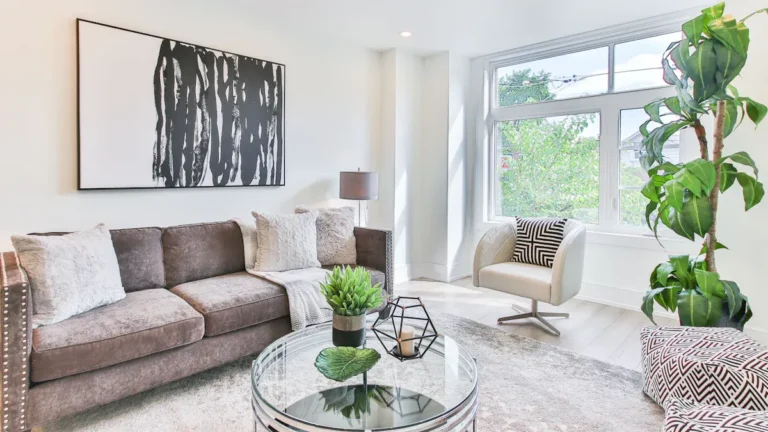
Smart home AI brings seamless comfort by learning routines and adjusting climate, light, sound, and security automatically. It creates personal moments without intrusive controls, keeping latency low and privacy protected. Platform choices and solid integration rules make maintenance predictable and smooth. The result is a space that feels effortless and tailored to daily rhythms.
How AI Shifts Luxury Homes From Automation to Anticipation
When your home starts to notice you before you even say a word, life gets easier and more comforting.
You feel seen when Predictive Presence senses your arrival and adjusts light, temperature, and music so the space welcomes you. That gentle anticipation grows trust and belonging, because your home remembers how you like evenings and mornings.
Anticipatory Preferences shape routines without commands, cleaning schedules align with your plans, and blinds and lighting shift to match your mood. You still stay in control, but the house learns to reduce friction.
As rooms respond, you relax more and connect deeper with family and guests. That steady care invites you to stay present, share moments, and feel truly at home.
How AI Creates Truly Personalized Living Experiences
You’ll feel the difference when your home learns the temperatures you like and adjusts rooms before you even notice. Lighting scenes shift to match your mood and routine, while predictive routines start the coffee, warm the floor, or lower the shades at the right moment.
Together these features create a living space that responds to you, so your home feels calm, effortless, and exactly like yours.
Adaptive Climate Control
Because your home learns how you live, adaptive climate control starts feeling less like tech and more like a helpful roommate who always gets the temperature right.
You wake up to rooms already tuned to your comfort because thermal zoning targets each space instead of forcing one setting for the whole house.
The system uses predictive HVAC models to anticipate changes from weather and activity, so you rarely touch controls.
It senses when you gather in the living room, or when someone prefers a cooler bedroom, and adjusts quietly.
You feel seen and cared for as your home balances comfort with energy smarts.
The result is a welcoming environment that fits your rhythms, reduces waste, and keeps everyone relaxed without effort.
Personalized Lighting Scenes
Imagine stepping into a room that already knows how you want to feel and gently adjusts the light to match.
You notice warm hues that ease you after a long day and brighter tones that help you focus. The system blends circadian ambiance with your mood so mornings feel fresh and evenings feel calm.
It learns which dynamic colorways lift your spirits and which soft palettes help you unwind. You can tweak scenes with voice or a tap, and the lights respond like a friend who gets you.
Multiple scenes link lighting, temperature, and sound for true togetherness in your home. You feel seen, relaxed, and connected because the space adapts to who you’re in every moment.
Predictive Lifestyle Routines
When your home learns the rhythm of your day, it can quietly set the scene before you even ask, and that’s what predictive lifestyle routines do: they read patterns, anticipate needs, and act so life feels easier.
You’ll notice Habit Prediction shaping mornings, so lights, climate, and coffee are ready when you wake.
Contextual Routines link location, time, and mood to create moments that fit you and your household.
The system adapts to guests, workouts, late nights, and work calls without fuss.
You feel seen and included because the home remembers preferences and gently nudges comforts.
It reduces small stresses, frees time, and builds trust between you and your space, helping everyone feel more at home.
Choosing an AI Smart-Home Platform for Luxury Properties
When you pick a smart-home platform for a luxury property, you’ll want a clear platform compatibility matrix so every device from lighting to climate control works together without surprises.
You’ll also want premium security protocols that use biometric access, local data processing, and end-to-end encryption to protect privacy and give you peace of mind.
Together these two priorities keep your home seamless, safe, and easy to manage so you can enjoy comfort and control without technical stress.
Platform Compatibility Matrix
Because choosing the right platform will shape every smart-home experience in a luxury property, you want a clear way to compare features, compatibility, and future growth before you commit. You’ll look for vendor interoperability and protocol translation so devices talk smoothly, and you’ll value platforms that welcome partners and grow with you. Think about device ecosystems, integration depth, and support for legacy gear while keeping your household feeling connected and seen.
| Platform | Protocol Support | Integration Strength |
|---|---|---|
| Crestron | Zigbee, Z-Wave, IP | Deep custom scenes |
| Josh.ai | Voice, IP, APIs | Natural language control |
| Open Platform | MQTT, REST, Bridge | Flexible vendor links |
You’ll pick what fits your lifestyle and community.
Premium Security Protocols
If you want a luxury home that truly protects your family and belongings, start by choosing a platform that treats security as its priority and not as an add-on. You’ll want systems that create encrypted perimeters around the property, so data and cameras stay private.
Look for behavioral hardening that learns normal activity and flags odd patterns gently, so false alarms drop and trust grows. Choose biometric access, layered authentication, and local processing to keep control close to home.
Make sure alerts are clear, calm, and sent to people you trust. Work with a team that listens, explains options, and tailors settings to your household rhythm. That way you belong to a home that protects you without taking over your life.
Integration Architecture: Protocols, Hubs, and APIs
Integration hubs act like the central nervous system of a smart home, and they keep everything talking so you don’t have to juggle apps or remotes.
You’ll feel supported when hubs manage protocol translation between Zigbee, Z Wave, Wi Fi, and Bluetooth so devices behave as one.
Edge gateways sit near devices to reduce latency and keep sensitive data local, which builds trust and belonging.
APIs let your favorite services connect securely, so your systems share state without exposing secrets.
You get unified scenes, routines, and device health notices that feel personal.
Professional installers design layered networks, balancing cloud features with local control for reliability.
As you add devices, this architecture scales smoothly and keeps your home comfortable and cohesive.
Key AI Systems: Climate, Lighting, Security, and Entertainment
When your home learns how you live, climate, lighting, security, and entertainment systems work together to make life easier and more comfortable.
You’ll feel seen as microclimate zoning keeps each room at the right temperature for everyone. Adaptive curtains respond to sun and privacy needs, linking with circadian lighting to lift mood and ease sleep.
Security blends in without feeling intrusive, using biometric doors, respectful surveillance, and quiet alerts so you relax.
Entertainment adapts to company and time of day, syncing sound, lighting, and climate for shared moments.
These systems talk to one another through a simple hub, so scenes activate with one request.
You belong in this space where comfort, safety, and joy are thoughtfully combined and easy to use.
Predictive Automation: Real Daily Use Cases
You’ll notice how morning routine automation quietly prepares your day by warming rooms, raising blinds, and starting coffee before you get out of bed.
Energy usage forecasting then keeps costs low by predicting demand and adjusting systems so you don’t have to watch meters or worry about spikes.
Those anticipatory comfort settings tie both pieces together, learning your preferences so your home feels welcoming and efficient every time you walk in.
Morning Routine Automation
Wake up easier with a morning routine that knows you and adjusts itself to fit your day. You step into a gentle wake up choreography where lights brighten, curtains open, and soft music cues your best mood. The system senses your schedule and nudges you gently when traffic looks heavy or when you can linger.
In the kitchen, automated hydration greets you with a glass at the right temperature while coffee starts on your preferred brew strength. Your shower warms to a comfortable level as climate settings refresh your favorite rooms. All of this feels like a friend who anticipates needs, making mornings calm and connected. You belong to a home that cares for your comfort every morning.
Energy Usage Forecasting
Because your home learns how you live and the weather ahead, energy forecasting turns daily routines into smart savings you can actually feel. You’ll trust Forecast Models that blend your schedule, local weather, and appliance patterns to predict when to run heating, cooling, or charging. That means quieter nights, lower bills, and shared pride in responsible living.
These systems link with Grid Integration so your house can shift loads when demand is low or when clean energy is abundant. You’ll get clear suggestions, gentle nudges, and automatic adjustments that match your values and rhythm. The tech stays friendly, offers simple choices, and keeps you in control while the house handles the timing and efficiency.
Anticipatory Comfort Settings
Imagine your home quietly preparing for your day before you even step out of bed, adjusting light, temperature, and sound so things feel just right.
You wake to subtle warmth, blinds lifting with the sunrise, and soft music that matches your mood. The system uses anticipatory adjustments based on your routine, local weather, and room occupancy to make small seamless changes.
Over time it learns predictive preferences like brighter morning light or cooler evenings, and it blends lighting, HVAC, and sound to create familiar comfort. You feel seen and cared for, not monitored. You can tweak scenes with voice or a tap, and the home adapts.
This creates calm daily rhythms that fit your life and welcome you back each day.
Measuring Comfort, Energy, and ROI With AI
When you’re trying to measure comfort, energy, and return on investment in a smart home, you’ll want clear metrics that tie how you feel to the numbers on your bill.
You’ll start by checking sensor calibration so readings for temperature, light, and motion match real life.
Then track occupant satisfaction through quick surveys or simple apps that ask how cozy people felt each day.
Pair those subjective scores with energy data from smart meters and HVAC logs to see patterns.
Use cost-per-comfort calculations to compare settings and upgrades.
Monitor maintenance alerts and efficiency gains to prove ROI over months.
Share results with your household so everyone feels included and confident about choices and upgrades.
Protecting Homeowner Data: Privacy and Governance
After you’ve measured comfort and tracked energy gains, you’ll want to protect the personal data those systems collect. You deserve a home where intimacy meets control, so insist on clear consent frameworks that let you choose what’s shared.
Ask providers about local storage and data sovereignty so your records stay under the laws you trust. Expect readable policies and easy opt outs that honor your household rhythms.
Request role based access so family and staff see only what they need. Favor platforms that offer audit logs and transparent data use reports for reassurance.
Talk with your integrator about retention limits, anonymization, and third party sharing. These steps help you feel seen, safe, and part of a thoughtful community.
Security Best Practices for AI-Connected Estates
Because your estate mixes luxury comfort with connected systems, security needs to be practical, private, and predictable. You’ll want layered safeguards that cover doors, networks, and habits.
Begin with strong controls for physical access using smart locks, visitor verification, and role-based credentials so family and staff feel safe together. Pair that with encrypted local processing to keep sensitive signals on site.
Segment networks so guest devices never touch core systems and consider limited air gappedness for critical servers that must stay offline intermittently. Train everyone on simple routines like patching, password managers, and verified updates.
Monitor logs and alerts with calm procedures for response. When you design safety this way, you protect privacy and build trust across your household community.
Integrating Legacy Systems and Bespoke Hardware
You’ve already set a solid safety foundation for your estate, and now it’s time to bring older systems and custom gear into that same secure, predictable world. You want everything to feel like it belongs, so you focus on legacy interoperability and creating bespoke drivers that honor originals while adding modern control.
Start by mapping protocols, then decide what stays native and what adapts. Use careful testing and staging to avoid surprises.
Consider these practical steps you can take now:
- inventory devices and note protocols and firmware
- prioritize critical systems for phased upgrades
- develop bespoke drivers for unique hardware
- use protocol bridges for seamless communication
- validate security and backup plans before deployment
You’ll feel confident knowing each piece works together.
Collaborating With Architects, Integrators, and Concierge Services
When you bring architects, integrators, and concierge teams into the planning room early, you’ll smooth the path from design dreams to daily life and avoid costly surprises down the line.
You’ll feel seen when architect collaboration shapes spaces for hidden wiring, vents, and sensory zones that match your lifestyle.
Integrators translate those blueprints into reliable systems that work quietly and beautifully.
Concierge coordination connects tech to service so your home responds like a welcoming host.
You’ll appreciate shared timelines, clear budgets, and empathetic problem solving that keep everyone aligned.
Regular check-ins build trust and let you tweak preferences as living patterns evolve.
Together, these partners create a home that belongs to you and supports how you live, relax, and entertain.
Maintenance, Firmware Updates, and Lifecycle Costs
Working with your architect, integrator, and concierge early helps you avoid hidden headaches, and it also sets the tone for how you’ll keep systems healthy over time. You want predictable costs and systems that feel cared for. Plan for predictive maintenance so issues are fixed before they interrupt your routine. Track firmware lifecycle to know when updates stop and replacements become prudent. You’ll feel secure when schedules, budgets, and responsibilities are clear.
- Set regular checkups with your integrator for performance tuning
- Subscribe to curated update services that respect privacy and timing
- Budget annual maintenance and phased hardware refreshes
- Use transparent service agreements that build trust and belonging
- Keep a shared log so family and staff know care history and next steps
Future Trends: Generative AI, Edge Intelligence, and Concierge AI
Although the idea of a home that thinks ahead can feel like science fiction, the next wave of smart home tech is already making life easier, safer, and more personal. You’ll feel seen as systems use Generative concierge models to craft invites, playlists, and routines that match your rhythms. Edge orchestration keeps sensitive choices local so your household stays private and fast. That closeness builds comfort and trust.
| Feature | Benefit |
|---|---|
| Generative concierge | Personalized planning |
| Edge orchestration | Low latency privacy |
| Anticipatory routines | Fewer manual steps |
| Local learning | Stronger community feel |
You’ll enjoy smoother days, warmer gatherings, and tech that learns with heart, not distance.
Frequently Asked Questions
How Will AI Affect Home Resale Value and Marketability?
Homes built for artificial intelligence integration can increase resale value and attract buyers, but appraisers will need detailed system inventories and performance records. Expect buyers to look for frictionless automation that protects data and gives clear controls. Prioritize neighborhood-compatible features such as standardized smart locks, encrypted networking, and community portals that promote neighbor interaction and transparent data policies to build trust.
Can AI Systems Be Transferred Between Properties or Ownership?
Yes. Around 60 percent of smart‑home platforms let you transfer ownership and export or erase user data, so you can move user profiles, reset devices to factory settings, or hand over admin rights. Before the transfer, get the device serial numbers and account emails, follow the provider’s documented transfer steps, and have the original installer or integrator perform or verify the reset so access credentials, linked cloud services, and any third‑party integrations are properly reassigned and security is preserved.
What Insurances Cover Ai-Related Failures or Security Breaches?
For data breaches, use cyber liability insurance which covers breach investigation, notification costs and regulatory fines; for physical or financial harm caused by a malfunctioning AI product, secure product liability coverage that pays legal defense and settlements; consider adding endorsements for privacy liability, technology errors and omissions, and cyber extortion, plus a breach response package that provides forensics, legal counsel and credit monitoring so your household is protected and you get fast expert support.
How Do AI Smart Homes Accommodate Neurodiverse or Accessibility Needs?
AI homes tune sensory settings like warm dimmable lighting presets, low-frequency soundtracks, and neutral scent diffusion, and they learn your daily patterns to automate calming routines such as gradual wake-up lighting and scheduled quiet hours. Controls include one-touch dashboards, customizable voice commands with simple phrases, and gesture-based panels mounted at reachable heights, plus clear visual status indicators and routine reminders so neurodiverse residents feel secure, supported, and in control.
What Environmental Certifications Relate to Ai-Driven Energy Savings?
Look for Energy Star and LEED Homes listings that explicitly cite AI or smart controls for lighting HVAC and appliances, plus Passive House and Green Globe projects that document AI-driven monitoring and demand response. These certifications verify measurable energy reductions, lower utility bills, and participation in community sustainability programs so you can choose homes that deliver proven, tech-enabled savings.