Air purifiers run best with regular care and a little attention. Clean filters, vents, and sensors help the unit move air better and catch more dust. A good spot with open airflow keeps it from working harder than it should. This quick upkeep helps your purifier stay efficient and your indoor air feel fresher every day.
Check Your Air Purifier Filter First
Often, the initial place to look is the filter, because it tells you a lot about how well your air purifier is working. When you begin with a careful filter inspection, you quickly see whether dust, odors, pet hair, or smoke have built up. That gives you a clear view of airflow and overall health.
From there, you can catch performance issues before they frustrate your household. Check whether the carbon filter needs replacing every 1 to 3 months, and whether the HEPA filter is due within 3 to 12 months. If you have pets, cook often, or deal with smoke, you might need faster changes.
Never wash HEPA or carbon filters. When you stay on top of replacements, your purifier keeps supporting the fresh, comfortable home everyone wants together daily.
Clean the Pre-Filter and Outer Vents
Start with the pre-filter, because it catches hair, dust, and pet dander before they reach the main filter.
You should vacuum it every 1 to 3 months, rinse it every 2 to 4 weeks should it’s washable, and let it dry fully before you put it back.
At the same time, wipe or vacuum the outer vents often, since built-up dust can block airflow and make your purifier work harder.
Pre-Filter Cleaning Steps
Before you clean the pre-filter and outer vents, unplug the purifier and give yourself a clear, dust-free space to work, because that small step keeps you safe and makes the job easier.
Next, remove the pre-filter gently and check whether you have washable pre filters or a dry type. That matters, because the right care helps your purifier keep serving your home well.
For dry filters, use vacuum techniques with a brush attachment or soft cloth to lift hair, lint, and dander every 1 to 3 months. For washable pre filters, rinse them every 2 to 4 weeks with cool water only. Then let them dry fully before putting them back.
As you build this routine, you protect the main filter, save money, and keep your shared air feeling fresher every day together.
Outer Vent Dust Removal
Fresh airflow begins at the outer vents, because that’s where dust initially gathers and slowly chokes your purifier’s performance. As soon as you clear those openings, you help your purifier breathe easier and support cleaner air for everyone sharing your space. Start by unplugging the unit. Then use a vacuum brush or a soft, dry cloth for gentle dust removal around the intake and outlet vents.
Next, give the pre-filter some attention, since it catches larger debris before it reaches deeper parts. Lift it out carefully, then vacuum both sides or use a soft brush to loosen trapped hair and lint. Whenever your model has a washable pre-filter, rinse it and let it dry fully before putting it back.
This simple vent cleaning routine keeps airflow steady, helps your purifier feel part of a well-cared-for home.
Cleaning Frequency Guidelines
Usually, your pre-filter and outer vents need attention on a steady schedule, because small dust buildup can turn into weak airflow faster than most people expect. To stay ahead of that, vacuum the pre-filter every 1 to 3 months, or more often when you share your home with pets, smoke, or heavy cooking. When your pre-filter is washable, rinse it every 2 to 4 weeks and let it dry fully before putting it back.
At the same time, wipe or vacuum the outer vents every 2 to 4 weeks so air can move freely. These cleaning intervals help your purifier work like it should and help you feel confident you’re caring for your space well. Set simple maintenance alerts on your phone, and you’ll stay on track without making upkeep feel like a chore.
Wipe Sensors and Intake Grilles
Start with giving your purifier’s sensors and intake grilles a quick wipe, because these small parts quietly control how well the whole unit works. When dust settles there, your air quality sensors can misread the room, and your purifier might work harder than your family needs. Use a dry microfiber cloth or a soft brush, and be gentle around openings.
Next, unplug the unit before you clean near the intake grilles. This keeps you safe and helps you reach corners where hair and debris like to gather.
Should your model have a display, careful cleaning around the panel can even support better touchscreen responsiveness.
Consider this step as a small act of care that keeps your shared space feeling fresh, calm, and welcoming for everyone at home, every single day.
Replace Filters on Schedule
You need to replace your air purifier filters on time if you want it to keep cleaning the air well.
Check your manual, because HEPA and carbon filters have different schedules, and your home might need faster changes when you have pets, smoke, or strong cooking odors.
You also need the right replacement filter, since a proper fit helps your purifier work safely and effectively.
Filter Replacement Timing
Regular filter changes keep your air purifier working hard instead of just making noise in the corner. Whenever you follow the maker’s replacement intervals, you protect airflow, support cleaner air, and help your whole home feel fresher.
That routine matters because every filter has a filter lifespan, and pushing past it makes your purifier strain harder.
As a simple guide, change carbon filters every 1 to 3 months and HEPA filters every 3 to 12 months, based on air quality and daily use. Whenever you live with pets, cook often, or deal with smoke, plan on replacing filters every 6 to 12 months or sooner.
Also, watch for weaker airflow, more dust, or stale smells. Those signs tell you your purifier needs backup, and staying on schedule keeps your space comfortable for everyone.
Choosing Proper Filters
Because the right filter does more than fill a slot, it keeps your purifier cleaning the air the way it should and helps you avoid wasted money on the wrong part. Start by checking your model number and owner’s guide, since filter compatibility matters more than a close fit. A bargain filter can look right and still weaken airflow or miss odors.
Next, match the filter type to your home’s needs. If you deal with smoke, pets, or cooking smells, choose the correct HEPA and carbon setup, plus certified media grades you can trust.
Then replace each filter on schedule, because even a great filter can’t help your group breathe easier once it’s clogged. When you stay consistent, your purifier works better, lasts longer, and keeps your shared space feeling fresh, safe, and welcoming daily.
Put Your Air Purifier in the Right Spot
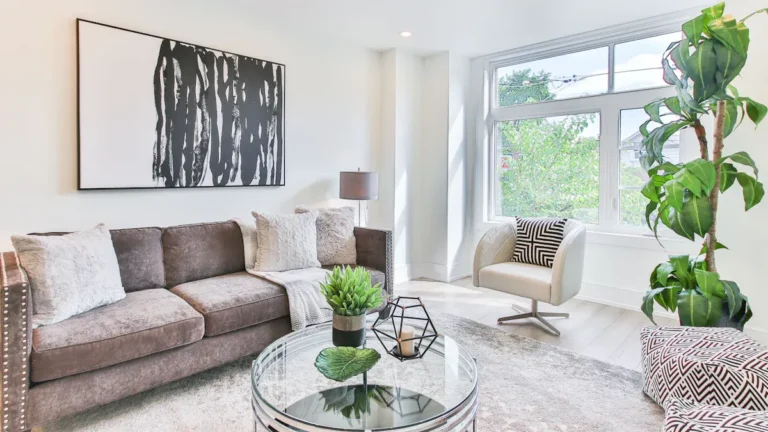
For the best results, place your air purifier in a clean, sealed room where doors and windows stay closed, since that helps block outdoor pollutants and lets the unit focus on the air you actually breathe. That simple step creates ideal placement and helps your space feel calmer and more cared for.
| Do | Why |
|---|---|
| Keep it 3 to 5 feet from walls | Improves airflow clearance |
| Set it near where you spend time | Cleans the air around you faster |
| Avoid corners and behind furniture | Prevents blocked intake and output |
| Choose an open, level surface | Keeps air moving smoothly |
Next, consider your room’s layout. You want enough open space around the unit so it can pull in and push out air without strain. As it breathes easily, your whole room feels fresher.
Reduce Dust Around the Unit
Once your purifier has enough open space, keeping the area around it clean helps that airflow stay strong. Dust on nearby floors, shelves, rugs, and tables can get pulled back into the unit, making it work harder than it should. As you stay on top of light cleaning, you support better air quality for everyone sharing your space.
Start with room decluttering, because fewer items nearby means fewer places for dust to settle. Then vacuum often, especially around baseboards, under furniture, and near pet beds. Wipe nearby surfaces with a microfiber cloth so loose particles don’t drift into the intake.
In case your purifier sits in a busy family room or bedroom, clean that zone a little more often. These small habits help your home feel fresher, calmer, and easier for everyone to enjoy together daily.
Look for Signs of Repair Needs
Keeping the area around your purifier clean helps it breathe easier, and that also makes it easier for you to spot whenever something isn’t working right.
Whenever you pay attention, you protect the comfort your home shares with everyone in it. Small changes often signal bigger problems promptly.
- Listen for unusual motor noise, rattling, or buzzing that wasn’t there before.
- Watch for weaker airflow, sudden shutdowns, or a fan that struggles to start.
- Check the display for flashing lights or error codes that appear during normal use.
- Notice odd smells, extra heat, or vibration, which can point to worn parts.
If you catch these signs promptly, you’ll feel more confident and keep your space welcoming.
A quick repair can help your purifier stay a reliable part of your everyday routine and care.
Create a Simple Maintenance Routine
Usually, the easiest way to care for your air purifier is to put each task on a simple schedule, because that takes the guesswork out of maintenance and helps you catch problems before they grow.
Start with daily upkeep by checking airflow, listening for odd sounds, and keeping the area around the unit free of dust, cords, and clutter. Then build a maintenance checklist you can actually follow.
Every two to four weeks, wipe the exterior, clean the grills, and rinse washable pre-filters if your model allows it.
Every one to three months, vacuum pre-filters and replace carbon filters as needed.
Every few months, check your HEPA filter and sensors.
Once a year, deep clean the inside.
When you keep a steady routine, your purifier feels like part of your home team, always.
Frequently Asked Questions
Can I Run My Air Purifier All Day and Night?
Yes, you can run your air purifier all day and night. Continuous use helps keep the air cleaner in your shared space. Be mindful of noise levels and proper placement so everyone stays comfortable and can breathe more easily.
How Much Electricity Does an Air Purifier Typically Use?
Most air purifiers use about 20 to 100 watts, so electricity use stays relatively low. If you keep one running all the time, monthly operating cost is often about $2 to $10, depending on the model and your local power rates.
Are Air Purifiers Safe to Use Around Babies and Pets?
Yes, air purifiers are generally safe to use around babies and pets. Place the unit carefully in the baby’s room, replace filters on schedule, and watch for any pet sensitivities so the air stays cleaner for everyone.
Do Air Purifiers Help With Viruses and Bacteria?
HEPA air purifiers can help capture airborne particles that may carry viruses and bacteria, which can lower their presence in indoor air. In shared rooms, this can support cleaner airflow and add another layer of protection for the people around you.
Should I Use an Air Purifier With Windows Open?
Yes, keep windows closed for the best results. An open window lets in a steady stream of dust and pollen, which makes the purifier work harder and lowers its efficiency. Closing the windows helps maintain cleaner indoor air and creates a more comfortable space.