

If you’ve ever wondered why some riders never miss a turn or drop a workout target, the answer often starts with the right GPS cycling computer. You’ll find compact budget picks and pro-level units here, each built to handle different rides, from quick commutes to long training days. Some lean on touchscreens, others on buttons, but each one brings maps, battery life, and sensor support that can change how you ride—if you know which features matter most.
| COOSPO Wireless GPS Bike Computer with Bluetooth/ANT |
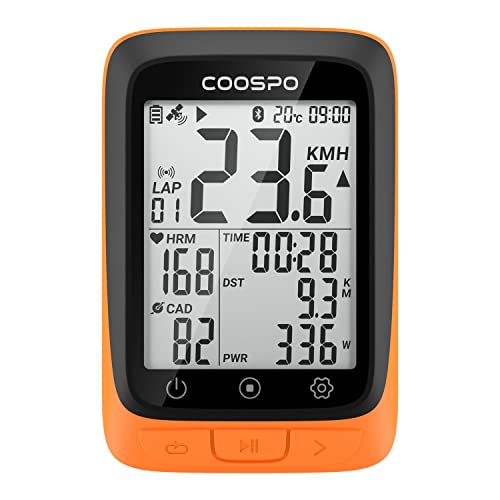
| Budget-Friendly Pick | Display: 2.4-inch LCD | Controls: Button interface | GPS: GPS / GPS+BeiDou | VIEW LATEST PRICE | Read Our Analysis |
| Garmin Edge 820 GPS Cycling/Bike Computer for Performance and Racing |

| Premium Performance | Display: 2.3-inch touchscreen | Controls: Touchscreen | GPS: GPS | VIEW LATEST PRICE | Read Our Analysis |
| Garmin Edge 550 GPS Cycling Computer with Color Display |
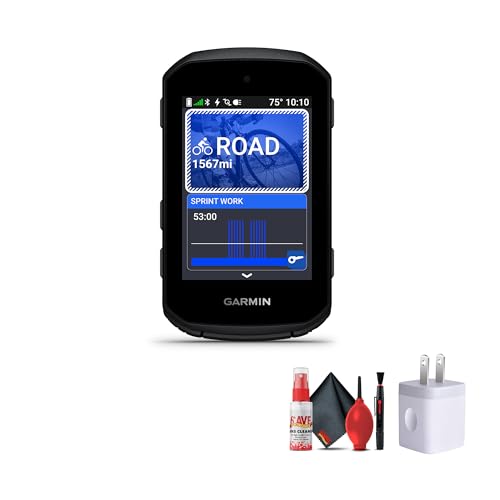
| Best Advanced Feature Set | Display: Color display | Controls: Button controls | GPS: GPS-based | VIEW LATEST PRICE | Read Our Analysis |
| Magene C506 GPS Bike Computer with Color Touchscreen |

| Best Touchscreen Value | Display: 2.4-inch color touchscreen | Controls: Touchscreen + buttons | GPS: GPS/GLONASS/BeiDou/QZSS | VIEW LATEST PRICE | Read Our Analysis |
| Garmin Edge 540 GPS Cycling Computer with Button Controls |

| Best for Training | Display: 2.6-inch LCD | Controls: Button controls | GPS: Multi-band GNSS | VIEW LATEST PRICE | Read Our Analysis |
| Garmin Edge 850 GPS Cycling Computer Bundle |

| Best Premium Bundle | Display: 2.7-inch color touchscreen | Controls: Touchscreen + buttons | GPS: Multi-band GPS | VIEW LATEST PRICE | Read Our Analysis |
More Details on Our Top Picks
COOSPO Wireless GPS Bike Computer with Bluetooth/ANT
If you want a compact GPS cycling computer that keeps setup simple while still covering the essentials, the COOSPO Bike Computer Wireless GPS BC107 is a strong pick. You get a lightweight glass-filled ABS and TPU body, a 2.4-inch LCD, and auto backlight for easy reading. It tracks rides with GPS or GPS and BEIDOU, grabs signals automatically, and calibrates time after startup. You can switch GPS off indoors. ANT+ connects heart rate, speed, cadence, and power sensors, while Bluetooth links the CoospoRide app for setup, routes, analysis, updates, and Strava sync via .fit files.
- Display:2.4-inch LCD
- Controls:Button interface
- GPS:GPS / GPS+BeiDou
- Connectivity:Bluetooth + ANT+
- Battery Life:Not listed
- Navigation:Route loading
- Additional Feature:ANT+ sensor support
- Additional Feature:CoospoRide app sync
- Additional Feature:Indoor GPS off mode
Garmin Edge 820 GPS Cycling/Bike Computer for Performance and Racing
The Garmin Edge 820 is a strong pick for riders who want a compact, performance-focused bike computer that keeps up with hard training and racing. You get a 2.3-inch high-resolution touchscreen that stays responsive with gloves and even when wet. It supports Connect IQ, so you can add free apps and data fields, and it works with Varia lights and radar. GroupTrack helps you see teammates in the pack. You can track VO2 max, recovery, FTP, watts/kg, and Strava Live Segments. Battery life reaches 15 hours, or 50% longer in save mode.
- Display:2.3-inch touchscreen
- Controls:Touchscreen
- GPS:GPS
- Connectivity:Connect IQ
- Battery Life:Up to 15 hours
- Navigation:GroupTrack
- Additional Feature:GroupTrack rider viewing
- Additional Feature:Varia radar compatibility
- Additional Feature:Strava Live Segments
Garmin Edge 550 GPS Cycling Computer with Color Display
Garmin’s Edge 550 stands out for riders who want a compact, rugged GPS cycling computer with a vivid color display and serious training tools in one package. You get a button-controlled unit that’s easy to use in rough conditions, plus preloaded TopoActive maps, Trailforks MTB data, and turn-by-turn routing. It tracks stamina, training load, and ride-specific metrics, while Garmin Coach and Power Guide help you train smarter. GroupRide, hazard alerts, and Varia support boost safety. Battery life reaches 12 hours, or 36 in saver mode, and the bundle includes a charger and cleaning kit.
- Display:Color display
- Controls:Button controls
- GPS:GPS-based
- Connectivity:Bluetooth + Wi‑Fi
- Battery Life:Up to 36 hours
- Navigation:TopoActive maps
- Additional Feature:Trailforks MTB data
- Additional Feature:Road hazard alerts
- Additional Feature:Garmin Coach training
Magene C506 GPS Bike Computer with Color Touchscreen
Magene’s C506 stands out for riders who want a compact touchscreen bike computer with broad connectivity and strong navigation features at a midrange price point. You get a 2.4-inch color touchscreen, three buttons, and a 76-gram body that mounts neatly on your handlebar. It supports ANT, Bluetooth, Wi‑Fi, GPS, GLONASS, BeiDou, and QZSS, so you can pair sensors and sync fast. You can load global maps, follow turn-by-turn directions, and upload GPX routes. The OnelapFit app adds training tools, while battery life reaches 24 hours in endurance mode.
- Display:2.4-inch color touchscreen
- Controls:Touchscreen + buttons
- GPS:GPS/GLONASS/BeiDou/QZSS
- Connectivity:Bluetooth + ANT+ + Wi‑Fi
- Battery Life:Up to 24 hours
- Navigation:Turn-by-turn navigation
- Additional Feature:Wi-Fi AGNSS sync
- Additional Feature:105 data items
- Additional Feature:Smart light control
Garmin Edge 540 GPS Cycling Computer with Button Controls
Built for riders who want dependable control in any weather, the Garmin Edge 540 GPS Cycling Computer gives you button-based operation, advanced navigation, and targeted adaptive coaching in a compact package. You can ride with confidence thanks to multi-band GNSS, ClimbPro ascent planning, and maps built for roads, trails, gravel, and indoor use. Pair it with compatible sensors to get daily suggested workouts, power targets, stamina insights, and training prompts that adapt to your load and recovery. It syncs with Garmin Connect, works with Android and iPhone, and runs up to 26 hours, or 42 in battery saver mode.
- Display:2.6-inch LCD
- Controls:Button controls
- GPS:Multi-band GNSS
- Connectivity:Bluetooth + Wi‑Fi + USB-C
- Battery Life:Up to 26 hours
- Navigation:ClimbPro routing
- Additional Feature:ClimbPro ascent planner
- Additional Feature:Multi-band GNSS accuracy
- Additional Feature:Power guide targets
Garmin Edge 850 GPS Cycling Computer Bundle
If you want a compact cycling computer that balances vivid navigation, strong training tools, and long battery life, the Garmin Edge 850 GPS Cycling Computer Bundle stands out. You get a 2.7-inch color touchscreen with button controls, plus audible prompts from its built-in speaker. It runs up to 12 hours in demanding rides or 36 hours in battery saver mode. You can follow preloaded road, gravel, and Trailforks maps, build courses on device, and track accurately with multi-band GPS. You also gain fueling alerts, safety features, Garmin Pay, and a PowerBank bundle.
- Display:2.7-inch color touchscreen
- Controls:Touchscreen + buttons
- GPS:Multi-band GPS
- Connectivity:Bluetooth + Garmin Connect
- Battery Life:Up to 36 hours
- Navigation:Preloaded maps
- Additional Feature:Built-in speaker
- Additional Feature:Garmin Pay support
- Additional Feature:Smart fueling alerts
Factors to Consider When Choosing GPS Cycling Computers
When you choose a GPS cycling computer, focus on display size and clarity so you can read stats at a glance. You’ll also want strong navigation and mapping, enough battery life for your rides, and compatibility with your sensors and apps. Finally, check the connectivity options so your device fits how you ride and syncs easily with your gear.
Display Size And Clarity
A clear screen can make or break your ride. When you choose a GPS cycling computer, look for a display that’s large enough to read quickly, especially if you want several data fields visible at once. Screens 2.4 inches and up usually give you more room for stats and easier viewing in motion. High-resolution color displays sharpen text and numbers, while strong contrast keeps speed, cadence, and power easy to scan. If you ride in bright sun or with gloves, button controls or monochrome LCDs can feel more usable. Adaptive backlight and an ambient light sensor help the screen stay readable as conditions change without wasting battery. Also check orientation, layout options, and how many fields you can show simultaneously.
Navigation And Mapping
For navigation and mapping, start with accuracy: multi-band GNSS and support for several satellite systems like GPS, GLONASS, Galileo, and BeiDou can help your computer hold its position better under trees and in city streets. You’ll also want routable maps with turn-by-turn guidance, plus preloaded or downloadable global and topographic data so you can follow courses confidently. Check that you can import and export GPX or FIT files, create routes on the device, follow them, and reroute when you take a detour. Pay attention to touchscreen or button controls, especially if you ride in rain or wear gloves. Finally, make sure the unit offers enough onboard storage, easy map updates through Wi-Fi, USB-C, or app sync, and support for trail, segment, and turn notifications.
Battery Life Needs
Battery life matters just as much as navigation, because a GPS cycling computer can only guide you as long as it stays powered. You should choose a unit whose rated runtime comfortably beats your longest ride, then add extra margin for navigation, recording, and cold weather. Power-saving modes can stretch battery life by 30–60%, but they may turn off maps, dim the backlight, or slow GPS updates. If you use multiband or 5 Hz tracking, expect faster drain than with simpler logging. Color maps also use more power. Check whether you can charge from a power bank midride, and whether that setup affects sealing or mounting. Finally, factor in sensors, radar, lights, and Wi‑Fi syncing, since active wireless connections shorten runtime.
Sensor And App Compatibility
When you’re choosing a GPS cycling computer, sensor and app compatibility can make or break how well it fits your setup. Check whether it supports ANT+, Bluetooth, or Wi‑Fi, since ANT+ often handles power meters and cadence sensors, while Bluetooth pairs easily with phones and many apps. Make sure it can connect to the exact gear you ride with, including heart rate straps, speed/cadence sensors, power meters, smart trainers, and radar lights, because each may use a different protocol. You should also confirm app compatibility, FIT or GPX export, and direct sync to third-party services so your data goes where you want. If you use custom metrics, look for downloadable fields or open APIs. Firmware updates and route management through the app or Wi‑Fi help keep everything working well.
Connectivity Options
Connectivity options can determine how smoothly a GPS cycling computer fits into your riding routine. You should check which wireless standards it supports, like ANT+, Bluetooth, or Wi‑Fi, since some sensors and trainers only work one way. Make sure it can pair with several devices at once, such as heart rate, cadence, power, radar, or lights, so you don’t lose important data or safety alerts. Look for smartphone linking for live tracking, messaging, auto uploads, and firmware updates, and confirm whether syncing needs an app or happens directly over Wi‑Fi or USB. If you use maps, verify offline route syncing and GPX or FIT imports. Advanced options like ANT+ FE-C, multi-band GNSS sharing, and open API support can add flexibility too.
Training And Performance Features
Once you’ve sorted out connectivity, the next thing to compare is how well a GPS cycling computer supports your training. You’ll want power meter and heart-rate support through ANT+ or Bluetooth so you can see watts, watts/kg, and live workout targets. Look for adaptive coaching, daily suggested workouts, and the ability to sync planned sessions from training platforms, which helps you handle intervals and FTP work on-device. Advanced metrics like VO2 max, recovery advice, performance condition, and stamina or fatigue tracking can guide pacing and training load. Make sure the unit records and exports FIT, TCX, or GPX files and integrates with training apps for deeper post-ride analysis and segment comparisons. Finally, check realistic battery life with sensors active so long rides and multi-day events won’t cut feedback short.
Durability And Controls
Because GPS cycling computers live on your bars and get exposed to weather, vibration, and the occasional crash, durability and controls matter as much as features. You should look for reinforced plastics, rubberized edges, or metal frames, plus an IPX5 to IP67 rating so rain, mud, and splashes won’t stop you. If you ride in cold weather, heavy rain, or rough terrain, button controls or a hybrid setup usually works better than a pure touchscreen, especially with gloves or wet fingers. Check the mount, too: out-front, stem, or quarter-turn systems should lock firmly, and a tether adds backup security. Recessed bezels and scratch-resistant glass or PMMA help protect the screen. Keep weight low, but don’t sacrifice chassis stiffness or crack resistance.
Safety And Smart Alerts
Safety features can make a GPS cycling computer far more useful when a ride goes wrong or turns unpredictable. You should look for incident detection and automatic crash alerts that can send your live location and emergency contacts through a paired smartphone. Live location sharing and group tracking help others follow your route on long or remote rides, adding another layer of security. Prioritize models that surface road-hazard or crowd-sourced warnings so you can react to construction, debris, or dangerous conditions ahead. Clear audible and visual alerts, plus a built-in speaker or vibration, make turn-by-turn prompts, calls, and messages harder to miss. Also verify radar and smart-light compatibility so you can spot approaching vehicles and boost rear visibility on every ride.
Frequently Asked Questions
How Do I Transfer Ride Data to Third-Party Training Apps?
Link your cycling computer account to the specific app (for example Strava, TrainingPeaks, or Komoot) and turn on auto upload in that app’s settings. Alternatively export the ride file in FIT, GPX, or TCX format from your device or platform and import that file into the third party app.
Can GPS Cycling Computers Work Reliably in Heavy Rain?
Yes. Most GPS cycling computers remain reliable in heavy rain, similar to a waterproof watch. Choose a model with a high IP rating, fully sealed buttons, and a secure mount because prolonged downpour can impair touchscreen responsiveness and reduce screen visibility.
How Often Should I Update the Device’s Maps and Firmware?
Update maps after significant route additions or road layout changes in your area, such as new streets, reconfigured intersections, or closed lanes. Update firmware whenever the manufacturer publishes a release that lists bug fixes, improved positioning accuracy, or new features you want. For most users that means checking for firmware updates every two to three months and installing map updates when your regular routes are affected. These updates keep routing accurate and device functions working as intended.
Do These Computers Support Multiple Bikes and Sensor Profiles?
Yes. Most units let you save separate bike setups and sensor profiles so you can switch quickly. Each saved bike can store its wheel circumference, paired power meter, and paired heart rate sensor to keep ride data accurate.
Can I Customize Data Fields for Different Cycling Disciplines?
Yes. Most riders customize data screens by discipline — road, gravel, mountain, or indoor — selecting the specific metrics they want, saving profiles, and using the set that matters for each type of ride.
Final Thoughts
No matter which GPS cycling computer you choose, the right one can make every ride smoother, safer, and more rewarding. You’ve got options from budget-friendly basics to pro-level powerhouses, so it’s easy to find a model that fits your goals and your bike. Focus on battery life, navigation, sensor support, and ease of use, and you’ll be set. Pick wisely now, and you’ll be off to the races on every future ride.
