

A reliable light meter helps you set exposure with confidence.
It works well for backlit portraits and mixed indoor scenes.
Tools like the UNI-T UT383, TTARTISAN Light Meter II, and Datacolor LightColor fit different shooting styles.
Some are quick for ambient readings, while others give finer control with manual cameras.
| UNI-T UT383 Light Meter Lux Meter |

| Best Budget | Meter Type: Illuminance meter | Measurement Units: Lux/FC | Camera Use: Photography use | VIEW LATEST PRICE | Read Our Analysis |
| LightMate Lite 2R Ambient Light Meter |

| Best for Film | Meter Type: Ambient light meter | Measurement Units: Light exposure data | Camera Use: Film camera use | VIEW LATEST PRICE | Read Our Analysis |
| Lux Light Meter for Photography and Plants |
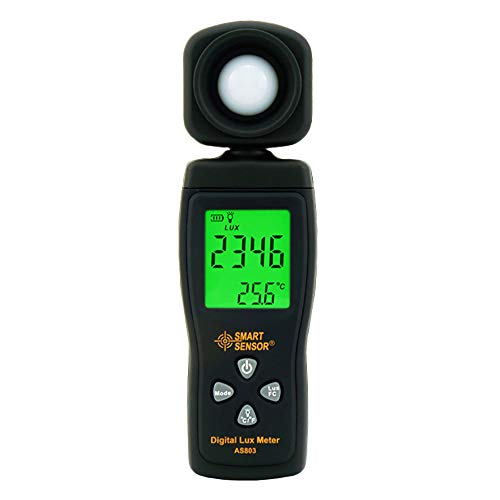
| Best for Plants | Meter Type: Lux light meter | Measurement Units: Lux/FC | Camera Use: Photography use | VIEW LATEST PRICE | Read Our Analysis |
| TTARTISAN Light Meter II for Film Camera Photography |

| Best Premium | Meter Type: Light meter | Measurement Units: Exposure settings | Camera Use: Film camera use | VIEW LATEST PRICE | Read Our Analysis |
| Datacolor LightColor Bluetooth Light & Color Temperature Meter |

| Best for Color | Meter Type: Light/color meter | Measurement Units: Lux/color metrics | Camera Use: Photo/video use | VIEW LATEST PRICE | Read Our Analysis |
| LightMate AirPro Digital Exposure Meter for Film Cameras |

| Best for Pros | Meter Type: Exposure meter | Measurement Units: EV/exposure values | Camera Use: Film camera use | VIEW LATEST PRICE | Read Our Analysis |
More Details on Our Top Picks
UNI-T UT383 Light Meter Lux Meter
Should you need a compact, no-fuss way to measure light for photography, the UNI-T UT383 digital illuminance meter is a strong fit. You get a UT38321 light meter from UNI-T that measures 0–199,900 Lux and 0–18,500 FC with ±(4% + 8) accuracy. Its large 4-digit LCD, backlight, max/min, data hold, low battery indicator, and auto shutdown make it easy to use. You can check studio, film, plant, or outdoor lighting in 0.5 seconds. It’s portable at 5 oz, includes a manual, and comes with 24/7 support.
- Meter Type:Illuminance meter
- Measurement Units:Lux/FC
- Camera Use:Photography use
- Display:LCD display
- Power Source:Battery-powered
- Portability:Compact portable
- Additional Feature:0–199,900 Lux range
- Additional Feature:Max/min reading mode
- Additional Feature:Overload indication
LightMate Lite 2R Ambient Light Meter
The LightMate Lite 2R Ambient Light Meter is a strong pick provided you want a compact, easy-to-use meter that still gives you serious control over exposure. You get a 0.96-inch OLED screen, flip display, adjustable brightness, and a completion light that keeps readings clear. Its 30° lens supports aperture priority, shutter priority, average, single, and automatic trigger metering, plus exposure and ND compensation. You can also calculate depth of field. At 26g, it mounts on a cold shoe, charges via USB-C, and runs 20+ hours. It’s also friendly with Leica film cameras.
- Meter Type:Ambient light meter
- Measurement Units:Light exposure data
- Camera Use:Film camera use
- Display:OLED display
- Power Source:Rechargeable battery
- Portability:Ultra-compact lightweight
- Additional Feature:30° metering lens
- Additional Feature:Screen flip display
- Additional Feature:Depth of field calculation
Lux Light Meter for Photography and Plants
Need a precise read on light levels for photos or plant growth? The AS803 Lux Light Meter gives you that with fast, accurate readings in lux or footcandles. You can measure visible light from LEDs and fluorescents across 0–200,000 lux, with ±5% accuracy and split-second response. Use it for photography, plant care, research, or indoor lighting checks. Its rotatable head, large backlit LCD, and MAX/MIN and Data Hold modes make it easy to use. You’ll also see temperature, battery status, and get auto shutoff. Light, compact, and ergonomic, it travels easily.
- Meter Type:Lux light meter
- Measurement Units:Lux/FC
- Camera Use:Photography use
- Display:LCD display
- Power Source:AAA batteries
- Portability:Compact handheld
- Additional Feature:Rotatable head
- Additional Feature:Built-in temperature sensor
- Additional Feature:Fast split-second reading
TTARTISAN Light Meter II for Film Camera Photography
Should you shoot film on a 1970s SLR or rangefinder and want a compact meter that feels at home on the camera, the TTARTISAN Light Meter II is an easy fit. You get a retro silver body made from aircraft-grade aluminum, and it weighs just 34g, so it won’t bulk up your setup. The adjustable cold shoe mount offers three positions for better compatibility. You can set ISO, aperture, and shutter speed with dual wheels and clicked dials. Improved sensors give you 45° average metering, faster calculations, and reliable exposure in golden-hour light or dim street scenes.
- Meter Type:Light meter
- Measurement Units:Exposure settings
- Camera Use:Film camera use
- Display:Indicator lights
- Power Source:Built-in battery
- Portability:Ultra-compact
- Additional Feature:45° average metering
- Additional Feature:23-stop shutter speed
- Additional Feature:Accidental adjustment prevention
Datacolor LightColor Bluetooth Light & Color Temperature Meter
Datacolor’s LightColor Bluetooth Light & Color Temperature Meter is a smart pick whenever you need a compact, wireless meter that tracks both exposure and color in real time. You can measure ambient and flash light, lux, chromaticity, color temperature from 1,600K to 20,000K, and green-magenta balance. Bluetooth 4.0 LE streams data to the free app, so you can watch changes instantly. It works with LED, tungsten, HMI, fluorescent, strobe, and outdoor light. Use multiple meters up to 80 feet apart for larger shoots, and rely on its drop-resistant design and 40-hour battery life.
- Meter Type:Light/color meter
- Measurement Units:Lux/color metrics
- Camera Use:Photo/video use
- Display:App display
- Power Source:AAA batteries
- Portability:Compact portable
- Additional Feature:1600K–20000K color range
- Additional Feature:Green-magenta balance
- Additional Feature:Bluetooth app sync
LightMate AirPro Digital Exposure Meter for Film Cameras
When you shoot film on a Leica or other manual camera and want precise, easy-to-read exposure control, the LightMate AirPro Digital Exposure Meter is a strong fit. You get 35° reflective metering with ±0.1EV accuracy, plus ISO 1 to 3200, shutter speeds from 60s to 1/8000s, and apertures from f1 to f64. Switch between A, S, M, and EV modes, then meter with a click or long press. Three dials, tactile feedback, LED guides, USB-C charging, and a metal shell make it practical, compact, and reliable for everyday shooting.
- Meter Type:Exposure meter
- Measurement Units:EV/exposure values
- Camera Use:Film camera use
- Display:LED display
- Power Source:Rechargeable battery
- Portability:Ultra-compact
- Additional Feature:35° reflective metering
- Additional Feature:Dual LED indicators
- Additional Feature:Manual trigger metering
Factors to Consider When Choosing Photographic Light Meters
When you choose a photographic light meter, check its measurement range and metering modes so it matches the lighting situations you shoot. You’ll also want clear display controls, dependable power, and a compact build that fits your workflow. Finally, make sure it works smoothly with your camera so you can meter confidently on every shoot.
Measurement Range
Measurement range matters because your light meter should cover the full spread of conditions you actually shoot in, from dim interiors to bright outdoor scenes. You’ll want a meter that reaches roughly 0–200,000 lux, or about 0–18,500 foot-candles, so you can handle most setups without buying another tool. A broader span helps you move from low-light rooms to sunlit exteriors without overload warnings or weak readings. Check that the display supports both lux and foot-candles, since you might need to interpret the same scene differently. Also make sure the lower end is sensitive enough for shadowy work. Whenever you shoot in studios, agriculture, or lighting control, match the range to the intensity levels you actually encounter.
Metering Modes
Metering modes should match how you actually shoot, so pick a light meter that supports the functions you rely on most, whether that’s ambient, flash, reflective, incident, average, aperture priority, shutter priority, or manual metering. When you work in changing light, automatic trigger metering, continuous streaming, or real-time exposure display can help you read faster and miss fewer shots. For tighter control, choose a meter with single trigger, average metering, exposure compensation, and ND filter compensation. When your workflow is specialized, features like depth of field calculation, frame length and focal length settings, or EV mode can save time. The best setup lets you switch modes quickly, keep track of the current reading, and balance speed, flexibility, and precision without slowing you down.
Display And Controls
A clear display and intuitive controls can make a photographic light meter much faster to use in the field. You’ll get quicker, more confident readings whenever the screen is large, like a 0.96-inch OLED or roomy 4-digit LCD, because you can spot exposure values at a glance. Backlighting or adjustable brightness helps you read the meter outdoors, in studios, or in dim scenes. Look for data hold, MAX/MIN recall, and clear on-screen prompts that confirm a reading is complete. A well-labeled layout with dedicated controls for ISO, aperture, shutter speed, and exposure compensation cuts setup mistakes. Screen flip, tactile or audible feedback, and accidental-adjustment protection also make handheld use easier and more reliable.
Power And Portability
Power and portability matter provided you want a light meter that fits smoothly into your workflow. You should match battery life to how often you shoot, since some meters run 20+ hours while others need battery swaps more often. If you’re out in the field a lot, USB-C rechargeability can make charging easier and cut your dependence on disposables. Look for strong standby performance too; meters with six-month standby and auto-shutdown help conserve power when they’re packed away. Portability matters just as much: lighter meters, around 26 g to 34 g, are easier to carry on travel jobs or around set. A compact body also slips into a pocket or camera bag, so you can grab quick handheld readings without slowing down.
Camera Compatibility
When choosing a photographic light meter, make sure it fits both your camera and the way you shoot. Check whether it mounts in your camera’s cold shoe or works as a handheld unit; some models adjust well for film cameras, while others stay standalone lux meters. If you want direct on-camera use, confirm it supports your body type, whether you shoot a manual film camera, a 1970s SLR, a rangefinder, or a Leica-compatible body. Match the meter’s modes to your workflow, including aperture priority, shutter priority, manual, and EV. Also, choose a meter that suits your preferred operation method, like single-trigger, automatic-trigger, or reflective metering. If you use flash or ND filters, verify compensation features so the meter stays useful in varied setups.
Frequently Asked Questions
How Do I Calibrate a Light Meter for Accurate Readings?
Point the meter at an 18 percent gray card or a trusted reference scene, note the reading, and compare it with your camera’s exposure. Adjust the calibration offset until the two readings line up, then verify the result in different lighting conditions and check it again over time to catch any drift.
Can One Light Meter Work for Both Digital and Film Cameras?
Yes, one meter can work for both because it measures light, not format. About 80 percent of exposure mistakes come from metering, so you can improve results by calibrating it for each camera and film stock.
What’s the Difference Between Incident and Reflected Metering?
Incident metering measures the light striking the subject directly. Reflected metering measures the light returning from the subject toward the camera. Incident readings usually give more consistent exposures, while reflected readings are useful when you cannot get near the subject.
How Often Should I Replace the Battery in a Light Meter?
Replace the battery when the meter gives unstable readings, the low battery warning appears, or it no longer powers on. If you use the meter often, test the battery every few months and replace it before it fails.
Do Light Meters Work Reliably in Low-Light Conditions?
Yes, many light meters still give usable readings in low light, but accuracy drops as the scene gets dimmer. A sensitive meter and careful measurement improve the result.
Conclusion
When you choose the right photographic light meter, you take the guesswork out of exposure and get more consistent results on every shoot. That matters because even a 1-stop exposure error can double or halve the light hitting your image, which can ruin film or flatten a scene. Whether you prefer a simple ambient meter or a Bluetooth model, you’ll work faster, shoot smarter, and capture better photos with confidence every time.
