

If you’re shopping for pure copper speaker cables, you’re probably weighing sound quality against build and run length. The best options aren’t always the most expensive, and the right choice depends on your setup, not hype. From short banana-plug leads to bulk spools for long installs, each cable serves a different need. The details matter more than you might expect, and a few of these stand out for reasons that aren’t obvious at first.
| Micca 14 Gauge Copper Speaker Cables with Banana Plugs |
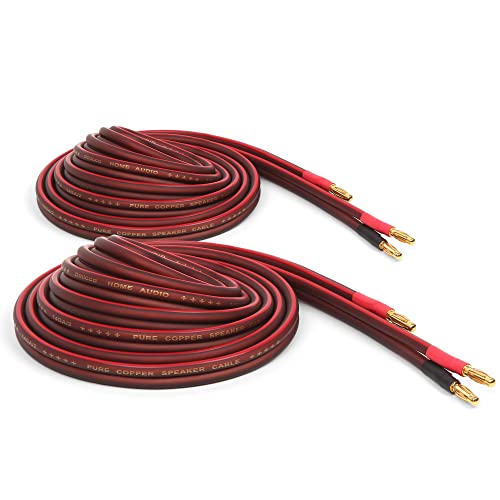
| Best For Easy Setup | Gauge: 14 AWG | Conductor Type: Pure copper | Conductors: 2-conductor | VIEW LATEST PRICE | Read Our Analysis |
| 50 ft 12 Gauge Copper Speaker Wire |

| Best Budget Spool | Gauge: 12 AWG | Conductor Type: Oxygen-free copper | Conductors: 2-conductor | VIEW LATEST PRICE | Read Our Analysis |
| Fever Grade 12TC Copper Speaker Cable with Banana Plugs |

| Premium Audiophile Pick | Gauge: 12TC | Conductor Type: OCC monocrystalline copper | Conductors: Single wire | VIEW LATEST PRICE | Read Our Analysis |
| CableWholesale 16/2 Pure Copper Speaker Cable 500 ft |

| Best In-Wall Option | Gauge: 16 AWG | Conductor Type: Oxygen-free copper | Conductors: 2-conductor | VIEW LATEST PRICE | Read Our Analysis |
| 50 ft. 14 Gauge Speaker Wire Oxygen Free Copper |
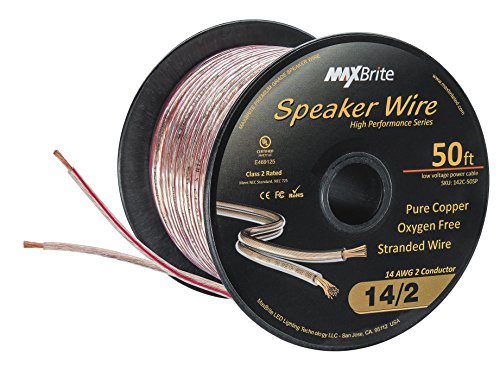
| Best Value | Gauge: 14 AWG | Conductor Type: Oxygen-free copper | Conductors: 2-conductor | VIEW LATEST PRICE | Read Our Analysis |
| CableWholesale Pure Copper 14/4 Speaker Cable 500 ft |

| Best Multi-Conductor | Gauge: 14 AWG | Conductor Type: Pure oxygen-free copper | Conductors: 4-conductor | VIEW LATEST PRICE | Read Our Analysis |
More Details on Our Top Picks
Micca 14 Gauge Copper Speaker Cables with Banana Plugs
If you want a clean, low-loss connection for home theater or stereo speakers, the Micca 14 Gauge Pure Copper Speaker Cables are an easy fit. You get a 2-pack of 6.6-foot pure copper leads, each built with two 245-strand conductors for solid current flow and lower resistance than copper-clad aluminum. The gold-plated 4mm banana plugs lock into binding posts with a slim, all-metal design that leaves no exposed metal. You’ll also appreciate the red polarity stripe, dual-layer jacket, and hand-soldered build for durability. Use them indoors with amplifiers and speakers.
- Gauge:14 AWG
- Conductor Type:Pure copper
- Conductors:2-conductor
- Length:6.6 ft
- Jacket:Dual-layer PVC/rubber
- Termination:Banana plugs
- Additional Feature:245-strand conductors
- Additional Feature:Dual-layer jacket
- Additional Feature:Slim anti-short design
50 ft 12 Gauge Copper Speaker Wire
The 50 ft 12 gauge copper speaker wire is a smart choice when you need a reliable, easy-to-run cable for clean audio over longer stretches. You get a 50-foot spool of 2-conductor, 12 AWG wire made with 99.99% oxygen-free copper and 65 strands per channel, so your signal stays clear and undistorted. The clear PVC jacket has a red stripe for quick polarity checks, and the flexible build speeds installation. It works with bare wire connectors, banana plugs, spade tips, and bent pin connectors. It’s UL certified and NEC 725 Class 2 rated for home or commercial use.
- Gauge:12 AWG
- Conductor Type:Oxygen-free copper
- Conductors:2-conductor
- Length:50 ft
- Jacket:Clear PVC
- Termination:Bare-wire compatible
- Additional Feature:99.99% OFC copper
- Additional Feature:UL safety certified
- Additional Feature:2-foot sequential markings
Fever Grade 12TC Copper Speaker Cable with Banana Plugs
Built for serious hi-fi setups, the Fever Grade 12TC OCC monocrystalline copper speaker cable is a strong fit if you want a pure-copper, low-loss connection between your amplifier and speakers. You get 99.9999% purity copper, a Teflon insulation layer, and included pure copper banana plugs for a cleaner install. The 2.5 m Color 12TC variant uses a single, three-strand wire design that aims for fast transmission and stable conductivity. Teflon helps reduce heat and signal loss from skin friction, so you can keep your music clear. Amazon’s 30-day return guarantee adds extra confidence.
- Gauge:12TC
- Conductor Type:OCC monocrystalline copper
- Conductors:Single wire
- Length:2.5 m
- Jacket:Teflon
- Termination:Banana plug included
- Additional Feature:99.9999% OCC copper
- Additional Feature:Teflon insulation
- Additional Feature:Pure copper banana plug
CableWholesale 16/2 Pure Copper Speaker Cable 500 ft
With its 16 AWG, 2-conductor pure copper design, the CableWholesale 16/2 Pure Copper Speaker Cable, 500 ft is a solid pick for anyone wiring home theater or house speakers to a receiver. You get 65-strand oxygen-free copper conductors that keep resistance low and conductivity strong. The PVC insulation and 0.80 mm jacket help protect the cable while preserving flexibility. Since it’s CMR rated, UL listed, and RoHS compliant, you can run it in-wall with confidence. The pullbox makes dispensing easy, and you’ll appreciate its dependable everyday performance for clean audio delivery.
- Gauge:16 AWG
- Conductor Type:Oxygen-free copper
- Conductors:2-conductor
- Length:500 ft
- Jacket:PVC
- Termination:Bare-wire compatible
- Additional Feature:CMR in-wall rated
- Additional Feature:0.80 mm jacket
- Additional Feature:Pullbox dispensing
50 ft. 14 Gauge Speaker Wire Oxygen Free Copper
If you want a reliable 50 ft. run for home, car, or pro audio setups, this 14 AWG oxygen-free copper speaker wire is a strong fit. You get 99.99% OFC in two conductors with 41 strands each, so you can route it easily and keep signal loss low. The clear PVC jacket includes a red stripe for quick polarity checks, and the spool lets you cut exactly what you need. It works with bare wire, banana plugs, spades, and bent-pin connectors. UL Listed Class 2 and NEC 725 certified, it’s built for safe, dependable installs.
- Gauge:14 AWG
- Conductor Type:Oxygen-free copper
- Conductors:2-conductor
- Length:50 ft
- Jacket:Clear PVC
- Termination:Bare-wire compatible
- Additional Feature:41-strand conductors
- Additional Feature:UL safety certified
- Additional Feature:2-foot sequential markings
CableWholesale Pure Copper 14/4 Speaker Cable 500 ft
CableWholesale’s Pure Copper 14/4 Speaker Cable is a smart pick for anyone wiring a home theater or whole-house audio system and wanting dependable, low-resistance signal transfer. You get 14 AWG pure oxygen-free copper with four conductors, each built from 105 strands for flexibility and solid current delivery. The PVC insulation and protective jacket help the cable bend easily without sacrificing durability. It’s UL listed, RoHS compliant, and CMR riser rated, so you can run it in walls with confidence. The 500 ft pullbox also makes storage and dispensing simple for large installs.
- Gauge:14 AWG
- Conductor Type:Pure oxygen-free copper
- Conductors:4-conductor
- Length:500 ft
- Jacket:PVC
- Termination:Bare-wire compatible
- Additional Feature:4-conductor cable
- Additional Feature:0.95 mm insulation
- Additional Feature:CMR in-wall rated
Factors to Consider When Choosing Pure Copper Speaker Cables
When you choose pure copper speaker cables, you should start with wire gauge, copper purity, and strand count, since each one affects sound and flexibility. You’ll also want to match the cable length to your setup so you don’t lose performance over long runs. Finally, check that the connectors fit your gear, because compatibility can make or break the installation.
Wire Gauge Selection
Choosing the right wire gauge comes down to balancing resistance, run length, and system demand. If your speaker cables are under about 20 feet, 16 or 14 AWG usually works well for most home setups. As the run gets longer, or if you’re driving power-hungry speakers or subs, move to 12 AWG or thicker so you don’t lose output to voltage drop. Lower AWG means thicker wire, and thicker wire cuts resistance, which helps keep bass tighter and transient response cleaner by improving damping at the speaker. For runs over 50 feet, aim to keep round-trip resistance below about 0.1 to 0.2 ohms. Just remember that thicker cable is bulkier and less flexible, so make sure it fits your binding posts and routing path.
Copper Purity Level
Copper purity affects how well a speaker cable carries signal, with higher-grade copper such as 99.99% OFC or 99.9999% OCC containing fewer impurities that can raise resistance and slow performance. When you choose a higher-purity conductor, you usually get better conductivity and less signal loss, especially over longer runs. Trace contaminants like oxygen, iron, or sulfur can increase scattering, corrosion, and contact resistance over time, so cleaner copper tends to age better. You should still keep expectations realistic: in a typical home setup, the audible gain from ultra-high purity beyond standard OFC is usually small. For most systems, proper gauge and solid termination matter more than chasing the highest purity number.
Strand Count Flexibility
Strand count shapes how flexible a pure copper speaker cable feels in your hands and how easily you can route it through tight spaces, bends, or crowded racks. If you move your gear often, choose a high-strand design with fine conductors; it bends more easily and resists metal fatigue better when you flex it repeatedly. That added flexibility can also help the cable handle vibration and other mechanical stress. For fixed in-wall runs, you don’t need the same level of give, so a stiffer, lower-strand cable can work fine. Just remember that strand count doesn’t set resistance by itself: gauge does. A very fine, high-strand cable in a thin gauge still won’t match the lower resistance of a thicker conductor.
Cable Length Needs
Once you’ve settled on a flexible pure copper cable, the next thing to get right is length. Measure the actual route the cable will take, not the straight-line distance, so you don’t come up short around furniture, baseboards, or racks. Then add about 10–20% extra for gentle slack, which helps with future placement changes and keeps strain off the connectors. Keep your left and right speaker runs the same length to preserve channel balance and a consistent load on the amplifier. For most runs under 25 feet, 14–12 AWG copper stays low in resistance, but longer distances call for heavier gauge. If you’re doing an in-wall or hidden install, build in 6–10 feet at each end for termination, testing, and re-terminations later.
Connector Compatibility
Next, make sure the cable’s termination matches your amplifier and speakers, because not every binding post accepts the same connector. You’ll need to choose bare wire, banana plugs, spades, or pins based on what your gear actually accepts. Check connector diameter too: a standard 4 mm banana may fit, while a slim or locking version could seat better in shallow or tight terminals. If your binding posts sit close together, use insulated sleeves or insulated connectors to prevent accidental shorts. Also confirm the connector’s material and plating, since gold or nickel finishes can improve corrosion resistance and keep contact resistance low. Finally, match the conductor count and polarity markings so you connect left and right, plus and minus, correctly every time.
Jacket Durability
When you choose pure copper speaker cables, pay close attention to the jacket, because it protects the conductors from abrasion, cracking, and everyday wear. Pick PVC or thicker multi-layer jackets if you want better long-term durability against scuffs and flex fatigue. A dual-layer design works well: the inner layer keeps the conductors stable, while the outer layer adds flexibility and abrasion resistance. Check the jacket thickness in millimeters, since thicker coverings shield better but can make bends tighter and routing harder. Match the jacket to your installation, whether that’s in-wall, riser, or UV-exposed runs. If you’re placing cables in garages or basements, make sure the jacket resists oils, chemicals, and temperature swings so it holds up reliably over time.
Safety Certifications
Safety certifications matter because they tell you whether a pure copper speaker cable has been evaluated for electrical safety, fire resistance, and code compliance. You should look for UL-listed or UL-rated cables, since those markings show the cable has passed recognized safety and fire-resistance tests for home and commercial use. If you plan any in-wall or building installation, check NEC or CSA classifications, such as NEC 725 Class 2 or CMR ratings, so you stay within wiring codes and reduce fire spread. You should also verify RoHS compliance to make sure the cable avoids restricted substances like lead and cadmium. When fire resistance matters, confirm the maker’s jacket claims, and always check for printed documentation or jacket markings.
Installation Environment
Once you’ve checked the cable’s safety ratings, the installation environment should guide your next choice. If you’re running cables inside walls, pick CMR or CMP-rated, UL-listed options so you meet code and lower fire risk. For long speaker runs, choose a thicker gauge—lower AWG—to reduce voltage drop and preserve detail. Match the jacket to the space: standard PVC works in most rooms, but use a tougher jacket or conduit where friction or impact can damage the cable. If heat or humidity is present, protect the insulation so your oxygen-free copper keeps performing. Finally, plan how you’ll terminate the cable with banana plugs, spades, or bare wire, and leave enough slack for service loops and gentle bends that respect the minimum bend radius.
Frequently Asked Questions
Do Pure Copper Speaker Cables Improve Sound Quality Noticeably?
If your existing cables are reasonably short and of decent quality, switching to pure copper will usually produce only a minor change because the main benefit is reduced resistance. Improvements in speaker placement, room acoustics, and higher quality components typically have a much greater impact than changing speaker cables.
Are Banana Plugs Better Than Bare Wire Connections?
About 60% of home audio users choose banana plugs. They provide simpler, safer connections and reduce terminal wear. Bare wire can perform just as well when tightened correctly and checked regularly.
Can I Use Speaker Cable for Long Outdoor Runs?
Yes, speaker cable can work for long outdoor runs if you choose a thicker gauge rated for outdoor use to reduce signal loss and resist weather. Use UV resistant or direct burial cable, keep runs as short as practical, and secure the cable to prevent movement. Protect every connection with waterproof connectors, silicone sealant, or weatherproof junction boxes and elevate or route the cable to avoid standing water and physical damage.
How Do I Tell if Cable Is Truly Pure Copper?
You can tell genuine copper by its warm reddish luster, solid heft, and clear labeling such as OFC or 99.9% copper supported by detailed specifications. Trim a small section: solid copper remains orange inside while copper-clad aluminum shows a silvery core.
Is Thicker Speaker Wire Always Better for Audio Systems?
Not necessarily. Choose wire gauge based on run length and speaker impedance. Excessively heavy gauge adds cost and can be difficult to route without audible benefit.
Final Thoughts
So, when you’re choosing a pure copper speaker cable, focus on gauge, strand count, jacket quality, and length, because those details directly affect performance and ease of setup. One statistic worth noting: moving from 16-gauge to 12-gauge wire can cut resistance by about 60% over long runs, which helps preserve cleaner sound. In the end, you’re not just buying cable—you’re protecting every bit of audio detail your system can deliver.
