Smart thermostats cut energy waste and boost comfort with automated scheduling and remote control.
I saved about 20% on heating and cooling after switching to a smart model.
This article compares six top 2026 thermostats for compatibility, sensor support, and wiring needs.
Read on to pick the thermostat that matches your system and daily routines.
| ecobee Smart Thermostat Enhanced — Wi‑Fi Smart Thermostat |
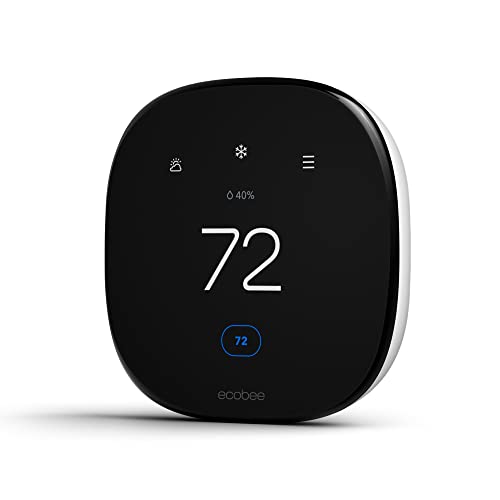
| Best for Zoned Comfort | Wi‑Fi / Smart Connectivity: Wi‑Fi; works with ecobee app, Siri, Alexa, Google Assistant | ENERGY / Energy‑saving Features: Energy Star certified; up to 26% savings; auto away/humidity adjustments | Compatibility with 24V HVAC Systems: Compatible with ~90% of 24 VAC systems (gas, oil, electric, heat pump, boilers) | VIEW LATEST PRICE | Read Our Analysis |
| Amazon Smart Thermostat — Works with Alexa & Ring |

| Best Budget Alexa Pick | Wi‑Fi / Smart Connectivity: Wi‑Fi (2.4 GHz); works with Alexa, Ring, Echo devices | ENERGY / Energy‑saving Features: ENERGY STAR certified; EPA estimate ~$50/year savings; thermostat hunches, schedules | Compatibility with 24V HVAC Systems: Compatible with most 24V HVAC systems (conventional, heat pump, radiant boiler); not line‑voltage | VIEW LATEST PRICE | Read Our Analysis |
| Honeywell T5 WiFi Smart Thermostat (RTH8800WF2022) |

| Best for Simple Scheduling | Wi‑Fi / Smart Connectivity: Wi‑Fi; Alexa ready; touchscreen with remote app control | ENERGY / Energy‑saving Features: ENERGY STAR certified; scheduling saved 8–16% (est.); energy reports/tips | Compatibility with 24V HVAC Systems: Works with most heat/cool oil furnace systems; requires C‑wire in some cases | VIEW LATEST PRICE | Read Our Analysis |
| Lux TQX WiFi Smart Thermostat with Remote Sensor |

| Best for Smart‑Home Integration | Wi‑Fi / Smart Connectivity: Wi‑Fi via Matter-enabled speaker; works with Apple Home, Alexa, Google | ENERGY / Energy‑saving Features: Energy‑focused occupancy learning and multi‑sensor adjustments (implied energy optimization) | Compatibility with 24V HVAC Systems: Supports conventional (2H/2C), heat pump (multi‑stage), PTAC, fan coil; not 120/240V line voltage | VIEW LATEST PRICE | Read Our Analysis |
| Vine WiFi Programmable Touchscreen Smart Thermostat (TJ-919T) |

| Best Value Touchscreen | Wi‑Fi / Smart Connectivity: Wi‑Fi; app control (Vine app, Smart Life), Alexa, Google Assistant | ENERGY / Energy‑saving Features: Auto Home/Away, geofence, 7‑day schedules; energy saving modes and tips | Compatibility with 24V HVAC Systems: 24V AC systems; compatible with conventional and heat pump systems (~90% of 24V systems) | VIEW LATEST PRICE | Read Our Analysis |
| Nest T4000ES E Hubless Smart Thermostat |

| Best for Learning Automation | Wi‑Fi / Smart Connectivity: Wi‑Fi; remote control via Nest app, works with Alexa and Google Assistant | ENERGY / Energy‑saving Features: Auto‑scheduling, Home/Away Assist, Nest Leaf, Energy History and tips | Compatibility with 24V HVAC Systems: Compatible with ~95% of heating and cooling systems (typical 24V systems) | VIEW LATEST PRICE | Read Our Analysis |
More Details on Our Top Picks
ecobee Smart Thermostat Enhanced — Wi‑Fi Smart Thermostat
If you want a thermostat that balances energy savings with smart-home integration, the ecobee Smart Thermostat Enhanced is a great pick — it learns your schedule, uses built‑in radar and optional room sensors to heat or cool occupied spaces, and can cut heating and cooling costs by up to 26% while working with most HVAC systems. You’ll get Energy Star efficiency, automatic away and humidity-based adjustments, and compatibility with about 90% of 24 VAC systems including heat pumps and boilers. PEK and trim kit simplify DIY installs without a C wire. Control it via ecobee app or Siri, Alexa, and Google Assistant.
- Wi‑Fi / Smart Connectivity:Wi‑Fi; works with ecobee app, Siri, Alexa, Google Assistant
- ENERGY / Energy‑saving Features:Energy Star certified; up to 26% savings; auto away/humidity adjustments
- Compatibility with 24V HVAC Systems:Compatible with ~90% of 24 VAC systems (gas, oil, electric, heat pump, boilers)
- Remote / App Control:ecobee app control from smartphone, tablet, Apple Watch
- Occupancy / Presence Detection:Built‑in radar occupancy; SmartSensors support for room detection
- C‑wire / Power Requirement:Hardwired; PEK included for homes without C/common wire (no batteries)
- Additional Feature:Built‑in radar occupancy
- Additional Feature:Supports SmartSensors
- Additional Feature:Power Extender Kit included
Amazon Smart Thermostat — Works with Alexa & Ring
Choose the Amazon Smart Thermostat if you want a budget-friendly, Alexa- and Ring-compatible thermostat that cuts energy use while fitting most 24V HVAC systems. You’ll replace a basic thermostat with ENERGY STAR efficiency, Honeywell-derived reliability, and simple on-device touch buttons. It needs a C-wire (or adapter) and 2.4 GHz Wi‑Fi; installation’s guided in the Alexa app. Use Echo devices or the Smart Air Quality Monitor for presence-based comfort zones, schedules, thermostat hunches, vacation and emergency heat modes, plus an energy dashboard and possible rebates. You get a one-year warranty, automatic filter ordering, and Ring/Alexa control options.
- Wi‑Fi / Smart Connectivity:Wi‑Fi (2.4 GHz); works with Alexa, Ring, Echo devices
- ENERGY / Energy‑saving Features:ENERGY STAR certified; EPA estimate ~$50/year savings; thermostat hunches, schedules
- Compatibility with 24V HVAC Systems:Compatible with most 24V HVAC systems (conventional, heat pump, radiant boiler); not line‑voltage
- Remote / App Control:Alexa app control (plus Ring app option); on‑device touch buttons
- Occupancy / Presence Detection:Presence detection via Alexa routines and select Echo devices or Smart Air Quality Monitor
- C‑wire / Power Requirement:C‑wire required or power adapter kit (sold separately); standby power 0.89 W
- Additional Feature:On‑device touch buttons
- Additional Feature:Thermostat hunches (Alexa)
- Additional Feature:ENERGY STAR estimated savings
Honeywell T5 WiFi Smart Thermostat (RTH8800WF2022)
The Honeywell T5 WiFi Smart Thermostat (RTH8800WF2022) is ideal for homeowners who want simple, schedule-driven energy savings and remote control. You’ll get 7-day flexible scheduling, geofencing for Auto Home and Away, and monthly ENERGY STAR reports with personalized tips. Customers reported 8–16% savings on heating and cooling on average. The touchscreen unit is Wi‑Fi enabled and Alexa ready, and you can join local Demand Response programs for extra rewards. Check compatibility: many heat/cool oil furnace systems work, but heating-only oil systems may not unless a C-wire is present. A C-wire adapter may be required.
- Wi‑Fi / Smart Connectivity:Wi‑Fi; Alexa ready; touchscreen with remote app control
- ENERGY / Energy‑saving Features:ENERGY STAR certified; scheduling saved 8–16% (est.); energy reports/tips
- Compatibility with 24V HVAC Systems:Works with most heat/cool oil furnace systems; requires C‑wire in some cases
- Remote / App Control:Smartphone app control with scheduling and geofencing
- Occupancy / Presence Detection:Geofencing (location‑based) Auto Home/Away; detects smartphone location
- C‑wire / Power Requirement:C‑wire required if home lacks C‑wire (power adapter needed)
- Additional Feature:Geofencing Home/Away
- Additional Feature:Monthly energy reports
- Additional Feature:Utility demand‑response eligible
Lux TQX WiFi Smart Thermostat with Remote Sensor
For homeowners who want room-by-room comfort and smart-home interoperability, the Lux TQX delivers with built-in millimetre-wave occupancy detection and a remote sensor that pairs with up to five sensors, letting your system use combined occupancy and temperature data across the house. You’ll control it locally or remotely via Matter-enabled hubs, Alexa, Apple Home, or Google, using app or voice commands. The intelligent display dims and wakes with motion and proximity. It supports a wide range of HVAC setups—conventional, heat pump, PTAC, and fan coil—with two auxiliary outputs. C-wire and wall plates are included for straightforward installation.
- Wi‑Fi / Smart Connectivity:Wi‑Fi via Matter-enabled speaker; works with Apple Home, Alexa, Google
- ENERGY / Energy‑saving Features:Energy‑focused occupancy learning and multi‑sensor adjustments (implied energy optimization)
- Compatibility with 24V HVAC Systems:Supports conventional (2H/2C), heat pump (multi‑stage), PTAC, fan coil; not 120/240V line voltage
- Remote / App Control:Control via smart‑home app (Matter integrations) and voice assistants
- Occupancy / Presence Detection:Built‑in millimetre‑wave occupancy detection; remote sensors for multi‑room occupancy
- C‑wire / Power Requirement:C‑wire included in box
- Additional Feature:Matter protocol support
- Additional Feature:Millimetre‑wave occupancy
- Additional Feature:Pairs up to 5 sensors
Vine WiFi Programmable Touchscreen Smart Thermostat (TJ-919T)
If you want a touchscreen thermostat that’s easy to set up and works with Alexa or Google, the Vine TJ-919T gives you a 4.3″ color display, app and voice control, geofencing Auto Home/Away, and 7-day programming — all on a modern, lockable interface that requires a 24V C‑wire and installs in about 20 minutes. You’ll get Wi‑Fi with OTA updates, encryption, auto reconnect, and app control via Vine or Smart Life. The square glass-and-plastic unit manages fan, filter alerts, sleep mode, weather forecasting, and conventional or heat‑pump systems (~90% compatible). Includes wiring tools, labels, and online guides.
- Wi‑Fi / Smart Connectivity:Wi‑Fi; app control (Vine app, Smart Life), Alexa, Google Assistant
- ENERGY / Energy‑saving Features:Auto Home/Away, geofence, 7‑day schedules; energy saving modes and tips
- Compatibility with 24V HVAC Systems:24V AC systems; compatible with conventional and heat pump systems (~90% of 24V systems)
- Remote / App Control:Vine Thermostat App and Smart Life app control; OTA updates
- Occupancy / Presence Detection:Geofence technology and Auto Home/Away mode
- C‑wire / Power Requirement:C‑wire required (24V AC)
- Additional Feature:4.3″ color touchscreen
- Additional Feature:Includes installation tools
- Additional Feature:OTA updates & reconnect
Nest T4000ES E Hubless Smart Thermostat
Nest’s T4000ES E Hubless Smart Thermostat is ideal for homeowners who want a low-profile, self-programming thermostat that cuts energy use without constant tinkering. You’ll get a frosted, background-friendly display and auto-scheduling that learns your preferences, adjustable in the Nest app. Home/Away Assist switches to Eco when rooms are empty, while the Nest Leaf nudges energy-smart choices. Monitor Energy History, HVAC alerts, and maintenance reminders from your phone. You can control temperatures remotely, use voice with Alexa or Google Assistant, and add a Nest Temperature Sensor for room-specific control. Installation is typically under 60 minutes; check compatibility and Wi‑Fi requirements.
- Wi‑Fi / Smart Connectivity:Wi‑Fi; remote control via Nest app, works with Alexa and Google Assistant
- ENERGY / Energy‑saving Features:Auto‑scheduling, Home/Away Assist, Nest Leaf, Energy History and tips
- Compatibility with 24V HVAC Systems:Compatible with ~95% of heating and cooling systems (typical 24V systems)
- Remote / App Control:Nest app remote control from phone, tablet, laptop
- Occupancy / Presence Detection:Home/Away Assist (occupant detection) and supports Nest Temperature Sensor
- C‑wire / Power Requirement:Easy installation; compatible with most systems (implicitly requires typical 24V/C‑wire power setups)
- Additional Feature:Frosted minimalist display
- Additional Feature:HVAC system monitoring
- Additional Feature:Nest Leaf energy indicator
Factors to Consider When Choosing Smart Thermostats for Home
When you’re picking a smart thermostat, I first check compatibility with my HVAC system and whether the unit needs a C-wire or special adapter. I also weigh expected energy savings, the arrangement of sensors and occupancy detection, and how well it will integrate with my smart home ecosystem. Those factors together tell me which model will actually fit my home and habits.
Compatibility With HVAC
Because HVAC systems vary widely in how they’re wired and controlled, I always start by confirming the exact system type and control requirements before recommending a smart thermostat. I verify whether you have conventional forced air, a heat pump, boiler, radiant, or PTAC and guarantee the thermostat supports that configuration and staging (for example, 2H/2C or 3H/2C). I confirm required control stages and auxiliary outputs—single or multi‑stage heat/cool, emergency/aux heat, humidifier/dehumidifier, or fan‑coil connections. I also check voltage compatibility since most smart thermostats use 24 VAC and aren’t suitable for 120/240 VAC line‑voltage systems. Finally, I make sure the unit supports external sensors, zoning systems, or utility demand‑response enrollment if you need those features.
Power And Wiring Needs
If you’re swapping in a smart thermostat, I first check the system’s power and wiring since most modern units need a 24 VAC supply and commonly rely on a dedicated C (common) wire to run Wi‑Fi radios and advanced features continuously. If there’s no C‑wire, I consider a C‑wire adapter, a power‑extender kit, or a thermostat that draws standby power from the control circuit, but I always verify compatibility first. For line‑voltage setups (120/240 VAC) like baseboard heat, I recommend a compatible line‑voltage model or a relay/interface. I also match thermostat terminals to the HVAC configuration — conventional vs heat pump, stages, and auxiliary outputs — and confirm standby watt and radio requirements (2.4 vs 5 GHz) to avoid reboots or connectivity loss.
Energy Savings Potential
Now that the wiring and power side is sorted, let’s look at what a smart thermostat can actually save you. I’ve seen models cut heating and cooling use roughly 8–26% annually by using scheduling, auto-away, and adaptive temperature control. When I shop, I prioritize ENERGY STAR or utility-program participation — they verify efficiency and can release rebates. I also check for learning algorithms, geofencing, humidity sensing, demand-response compatibility, and heat-pump or multi-stage optimization so runtime matches real conditions. Room-by-room management and sensor integration help target comfort where it’s needed. Finally, energy dashboards and monthly reports let me track actual savings, tweak settings, and let automated adjustments improve performance over time.
Sensors And Occupancy Detection
I’ll start by saying sensors and occupancy detection are where a smart thermostat goes from convenient to truly efficient. I look for presence and motion sensors (PIR, radar, millimeter‑wave) so the system shifts between comfort and savings when rooms are empty. I value remote room sensors for multi‑zone awareness so averages or priorities, not a single wall sensor, dictate comfort. I use geofencing sparingly — it’s handy for Home/Away but depends on phone permissions, battery and GPS/cellular reliability. Sensor fusion is a must: combining motion, temperature, humidity and door/window status reduces false triggers from pets or brief movement. Finally, I plan placement and quantity carefully: clear line‑of‑sight, away from heat sources or drafts, and more units for larger or multi‑level homes.
Smart Home Integration
Those sensor choices matter most when your thermostat needs to talk to the rest of the house — I want a unit that joins my smart‑home network smoothly and shares occupancy, temperature, and humidity data so lights, vents, and routines can react. I always verify protocol compatibility: Wi‑Fi (note 2.4 vs 5 GHz), Zigbee, Z‑Wave, and Matter to fit my hub and avoid flaky links. I prefer native integrations with HomeKit, Alexa, Google Assistant, or local APIs so scenes and multi‑device triggers work reliably. Local control or Matter support matters to reduce cloud dependence and keep automations running offline. Finally, I check cloud features, privacy policies, and whether secure APIs or webhooks exist for custom integrations.
Installation And Support
Because a smooth install keeps comfort reliable, I always start by confirming wiring and system compatibility before buying a smart thermostat. I check for a C/common wire or whether the device needs a power adapter or power‑extender kit, since many models require a steady 24VAC return to avoid dropouts. I verify compatibility with my system type—conventional, heat pump, multi‑stage, boiler, fan‑coil, PTAC, or line‑voltage—so outputs and wiring match. I also decide if I’ll DIY: does the package include wiring guides, mounting plates, drill templates, or will I need a pro for high‑voltage or added components? Finally, I review setup help—guided apps, videos, compatibility checkers, forums, support/warranty—and network needs like Wi‑Fi band, Matter, or hub requirements.
Display And User Interface
How easily can you read and control the thermostat from across the room? I prefer a clear, high-contrast touchscreen about 3–4 inches with an adjustable backlight so numbers pop whether it’s bright or dim. I want simple, intuitive on-device controls—direct temp up/down and mode buttons—so I can make basic changes without opening an app. Auto-dim or occupancy-based displays are a plus to cut distraction and tiny standby drain. The screen should show setpoint, system status (heating/cooling/fan), indoor humidity, and schedule cues at a glance. If I manage settings from my phone, I pick a model whose local UI mirrors the app—schedules, home/away, and energy history—so nothing’s missing when I’m standing at the thermostat.
Frequently Asked Questions
Do Smart Thermostats Share My Data With Third Parties?
Yes. Certain smart thermostat models transmit usage data to external companies. I review each device privacy policy, turn off data sharing in the settings when an option exists, and choose manufacturers that document granular privacy controls, perform data processing on the device or within my local network, and apply anonymization techniques before any telemetry leaves my home.
Can I Use a Smart Thermostat Without a C‑Wire?
Yes. Many smart thermostats work without a C wire: roughly 40 percent of homes do not have one, and manufacturers provide battery powered units and models that draw power from the existing wiring. I can help you check compatibility, install an adapter, or choose the best C wire alternative.
How Long Do Smart Thermostat Batteries Typically Last?
Typical lifespan is about one to two years, with some models and light usage reaching three years. I will watch battery level alerts and replace cells promptly to prevent thermostat downtime or loss of connectivity.
Are Smart Thermostats Compatible With Radiant Floor Heating?
Yes. Many smart thermostats support radiant floor heating, but compatibility depends on the model. Check whether the thermostat handles low-voltage heat-only systems or includes a dedicated floor sensor input. Confirm wiring and control requirements with your installer or the thermostat manufacturer before purchase and installation.
Will a Smart Thermostat Work During Internet Outages?
Yes. You can still control heating and cooling directly on the thermostat, but internet-dependent features such as mobile app access, weather-based adjustments, and voice control will be unavailable until the connection is restored. Plan for offline operation accordingly.
Final Thoughts
Choosing a smart thermostat feels like picking between a brain and a map: one learns your habits, the other follows your rules. I’d weigh sensors, compatibility, and C‑wire needs against price and installation fuss. If you want effortless savings, pick a learning model; if you need control and schedules, choose a programmable option. Either way, match features to your HVAC and smart‑home setup so comfort and convenience actually meet.