

Artificial grass looks easy to maintain, yet it can trap leaves, pet hair, and grit; that’s where the right vacuum cleaner makes all the difference. We’ve compared the Roll & Comb 502e, the compact 302e, bagged turf sweepers, and wider models like the GreenSweep TurfoMax, so we can see which tools lift fibers without damaging them. The best choice depends on your lawn size, and one detail changes everything.
| Roll & Comb Artificial Turf Sweeper 502e |

| Best Overall | Power: 1600W | Working Width: 16 in | Collection Bag: 40 L bag | VIEW LATEST PRICE | Read Our Analysis |
| Roll & Comb Artificial Turf Sweeper (Model 302e) |

| Best Value | Power: 1400W | Working Width: 12.5 in | Collection Bag: 25 L bag | VIEW LATEST PRICE | Read Our Analysis |
| Artificial Turf Vacuum Grass Sweeper with Collection Bag |
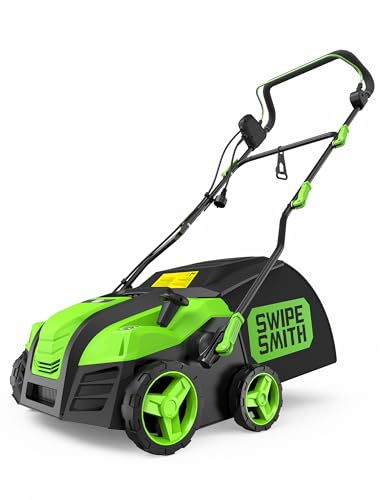
| Best for Heavy-Duty Use | Power: 1800W | Working Width: 16 in | Collection Bag: 45 L bag | VIEW LATEST PRICE | Read Our Analysis |
| GreenSweep TurfoMax Artificial Grass Electric Turf Sweeper |

| Best Premium Pick | Power: 13 amp motor | Working Width: 15 in / 380mm | Collection Bag: 11 gal bag | VIEW LATEST PRICE | Read Our Analysis |
| Roll & Comb Artificial Turf Sweeper Broom (141e) |

| Best Compact Option | Power: 300W | Working Width: 16 in | Collection Bag: No bag | VIEW LATEST PRICE | Read Our Analysis |
More Details on Our Top Picks
Roll & Comb Artificial Turf Sweeper 502e
The Roll & Comb Artificial Turf Sweeper 502e is a strong pick provided you want a dedicated tool for keeping artificial grass clean, fluffed, and debris-free, especially on larger lawns up to 4,500 sq ft. You get a 1,600W corded motor, a 16-inch working width, and a 40L bag that collects leaves, dirt, and pet hair. Use two passes: push forward to sweep debris, then pull back to comb and lift fibers. Its adjustable comb height lets you match turf thickness, and the ergonomic handle helps during longer sessions. Use it only on dry, clean turf.
- Power:1600W
- Working Width:16 in
- Collection Bag:40 L bag
- Adjustable Height:Adjustable comb height
- Corded:Corded electric
- Turf Care:Sweep, comb, fluff
- Additional Feature:Patented roller system
- Additional Feature:Ergonomic adjustable handle
- Additional Feature:40L collection bag
Roll & Comb Artificial Turf Sweeper (Model 302e)
Should you want a dedicated tool for keeping artificial turf looking fresh, the Roll & Comb Artificial Turf Sweeper Model 302e is a strong fit, especially for homeowners with up to 3,500 sq ft of turf to maintain. Its 1,400W corded motor cleans, combs, and collects debris in one pass, while the roller lifts flattened fibers. You can push forward to clean and pull back to add friction and fluff. The 25-liter bag handles dirt, leaves, and pet hair. With adjustable depth, an ergonomic handle, and a 19.8-pound frame, it’s built for regular dry-turf upkeep and revitalization.
- Power:1400W
- Working Width:12.5 in
- Collection Bag:25 L bag
- Adjustable Height:Height-adjustable comb
- Corded:Corded electric
- Turf Care:Sweep, comb, fluff
- Additional Feature:Compact design
- Additional Feature:25-liter collector bag
- Additional Feature:Two-switch safety operation
Artificial Turf Vacuum Grass Sweeper with Collection Bag
SWIPESMITH’s Artificial Turf Vacuum, model SI-GH002, is a strong pick for anyone who wants a dedicated grass sweeper with a collection bag for artificial turf cleanup. You get 1800W of power, a 15-amp motor, and a 16-inch raking path for efficient dethatching and debris removal. Its 2-in-1 blade system uses dethatching and scarifying blades, while stainless spring steel tines help lift thatch. You can fine-tune depth with the 5-position lever and adjust the rod for comfort. The 45L bag collects mess automatically, though heavy thatch might fill it fast.
- Power:1800W
- Working Width:16 in
- Collection Bag:45 L bag
- Adjustable Height:5-position control
- Corded:AC/DC powered
- Turf Care:Dethatch/scarify
- Additional Feature:2-in-1 blade system
- Additional Feature:5-position control lever
- Additional Feature:Quick-fold design
GreenSweep TurfoMax Artificial Grass Electric Turf Sweeper
GreenSweep TurfoMax is a smart pick for you in case you want artificial grass to look freshly maintained without much effort, since its DuoHelix brush system sweeps, lifts, and collects debris while restoring flattened turf fibres. You get a 13 amp motor, up to 3,500 RPM, and a 15-inch working width that keeps cleaning efficient. The 11-gallon bag catches debris as you go, while the INVIEW window helps you check fill levels fast. With tool-free brush changes and quick maintenance, you can keep your turf ready for repeated use without downtime.
- Power:13 amp motor
- Working Width:15 in / 380mm
- Collection Bag:11 gal bag
- Adjustable Height:Tool-free brush change
- Corded:Mains corded
- Turf Care:Sweep, lift, collect
- Additional Feature:DuoHelix brush system
- Additional Feature:INVIEW window panel
- Additional Feature:Tool-free brush change
Roll & Comb Artificial Turf Sweeper Broom (141e)
The Roll & Comb Artificial Turf Sweeper Broom (141e) is a smart pick for small to medium synthetic lawns whenever you want a lightweight, corded electric tool that both cleans and refreshes the fibers. At 10.6 pounds, its 300W motor and 16-inch working width make quick work of leaves and pet hair. You push it forward to gather debris, then pull it back to comb and lift the turf. It handles corners, edges, and mini golf areas well. Since it doesn’t include a bag, you’ll empty debris manually. Use it on clean, dry turf only.
- Power:300W
- Working Width:16 in
- Collection Bag:No bag
- Adjustable Height:N/A
- Corded:Corded electric
- Turf Care:Sweep, comb, lift
- Additional Feature:No collection bag
- Additional Feature:Edge and corner reach
- Additional Feature:Mini golf use
Factors to Consider When Choosing a Vacuum Cleaner for Artificial Grass
When we choose a vacuum cleaner for artificial grass, we should first match its coverage to the size of the surface we need to clean. We also want to check the motor power, working width, and brush height adjustability so it can lift debris without damaging the turf. Finally, let’s look at debris collection capacity so we don’t have to stop and empty it too often.
Surface Size Coverage
For artificial grass, we should match a vacuum cleaner’s recommended coverage area to the size of the turf, because some models are built for about 3,500 sq ft while others can handle up to 4,500 sq ft. When we choose a unit that fits our lawn, we avoid dragging out cleanup and keep the job manageable. Wider working paths, often about 12.5 to 16 inches, help us cover more ground with each pass, which matters most on larger surfaces. For smaller lawns or tight sections, compact cleaners with narrower sweep paths can move neatly through corners. If our turf sits near a machine’s upper rating, we should expect slower progress and more stops to empty or reposition it.
Motor Power Needs
Motor power plays a big role in how well a vacuum cleaner handles artificial grass, and we should usually look for about 300W to 1,800W depending on the job. For small areas and light upkeep, lower power can work well, but larger lawns or heavier buildup often need 1,400W to 1,600W or more. Whenever we expect leaves, dirt, pet hair, or compacted debris, we should choose a motor strong enough to keep suction or brushing performance steady without stalling. Regular maintenance usually needs less power than overdue cleaning or dense, flattened turf. In general, higher wattage gives us better debris pickup and stronger fiber lifting, so we can match the motor to the grass condition and how often we clean.
Working Width
Working width tells us how much artificial grass we cover in a single pass, and a wider path usually means faster cleaning because we need fewer passes in total. For most artificial grass, widths around 12.5 to 16 inches strike a practical balance between coverage and easy handling. If we’re cleaning a larger lawn, a 16-inch path can save time and help us move efficiently across open space. For smaller or segmented areas, a narrower width often lets us work more comfortably around corners and edges. We should match the width to the size and layout of our lawn, because the right span also improves debris pickup through sweeping leaves, dirt, and pet hair more evenly across the turf.
Brush Height Adjustability
After matching the working width to your lawn, we also need to look at brush height adjustability. It lets us fine-tune how deeply the bristles or tines touch the turf, so we can match different pile thicknesses and cleaning needs. A wider range helps us avoid over-aggressive brushing that can damage fibers, while still giving enough contact to lift flattened blades and loosen debris. For fresh artificial grass, we usually choose a lighter setting. Older or more compacted turf often needs a deeper setting for better grooming. Some vacuums give us 1-, 3-, or 5-position controls, which makes depth control more precise. In the end, adjustability helps us clean effectively and revive fibers without shortening turf life or adding unnecessary wear.
Debris Collection Capacity
Debris capacity can make a big difference when we’re cleaning artificial grass, especially whenever our lawn collects leaves, dirt, or pet hair on a regular basis. We should choose a cleaner with a larger bag or bin whenever debris builds up often, because higher capacity means fewer stops to empty it. Many models hold about 25 to 45 liters, and bigger yards or heavier loads usually work best near the top of that range. For small to medium lawns, 11 to 25 liters can still be enough whenever we clean more often and the mess stays light. Whenever we’re tackling thick thatch or dead grass, we should look for continuous collection so we can keep working longer. Larger systems also handle fine pet hair better.
Turf Fiber Protection
Whenever we choose a vacuum for artificial grass, turf fiber protection should be a top priority. We want adjustable comb or brush height so the bristles can match the turf pile and avoid flattening or scuffing the blades. A gentler backward combing or fluffing action also helps lift fibers and keep them upright without excess wear. We should use the machine on clean, dry turf, since moisture can raise resistance and increase the chance of matting or stress. A wider working path lets us cover more ground with fewer passes, which reduces friction on the fibers. For routine upkeep, controlled depth settings matter too, because they help us remove debris while protecting the backing and preserving the pile structure over time.
Weight And Handling
Weight and handling matter a lot because we’ll be moving the cleaner across artificial grass, often in tight spots and along edges. We should look for a lighter model in the event that we’ll lift or steer it often; machines can weigh roughly 10.6 to 39.5 lb, and less mass usually means less arm and back fatigue. An adjustable handle helps us match the cleaner to our height, so we can push and pull with a more natural posture. A compact or narrow working width also makes it easier to weave around corners, even whenever we cover less area per pass. Whenever we plan longer sessions, we should favor an ergonomic grip, stable balance, and smooth roller action, especially when pulling back to comb or fluff the fibers.
Wet Turf Restrictions
Even with a lightweight, easy-to-handle cleaner, we should only vacuum artificial grass whenever it’s clean and fully dry. Moisture makes debris harder to lift, so leaves, dirt, and pet hair can clump together instead of lifting cleanly. That buildup can overload the collection system and leave turf looking uneven. Wet fibers also create extra friction, so powered cleaners drag more, work less smoothly, and could strain the motor and brushes. Because these tools aren’t designed for snow, ice, or wet debris, we should wait for dry conditions before we start. Once the surface is fully dry, the machine can sweep, comb, and refresh the blades properly, giving us better grooming and a cleaner, more natural-looking lawn.
Frequently Asked Questions
How Often Should Artificial Grass Be Vacuumed?
Vacuum artificial grass once a week, or sooner when leaves, dust, or pet hair build up. Regular care keeps the blades upright and fresh, while skipping cleanup leaves them pressed down and dull. Increase cleaning based on foot traffic, weather, and spills.
Can Vacuuming Damage Infill on Synthetic Turf?
Yes, vacuuming can damage infill when strong suction, stiff brushes, or repeated passes are used. To protect the infill and fibers, use turf safe settings, move the vacuum gently, and clean only when debris needs to be removed.
Are Corded Vacuums Better Than Battery Models?
Usually, corded vacuums deliver more consistent cleaning power, while battery models are easier to move around. For artificial grass, choose a vacuum with mild suction and enough runtime for your yard size.
What Maintenance Do Artificial Grass Vacuums Need?
Brushes need cleaning, bins need emptying, filters need checking, and wheels need regular inspection. Rinse off stuck debris, replace worn parts, and store the vacuum in a dry place to keep artificial grass neat and fresh.
Can These Vacuums Pick up Leaves and Pet Hair?
Yes, these vacuums can pick up leaves and pet hair when they have strong suction and the right brush attachment. They work best on dry, lightweight debris and are less effective on heavy or wet messes.