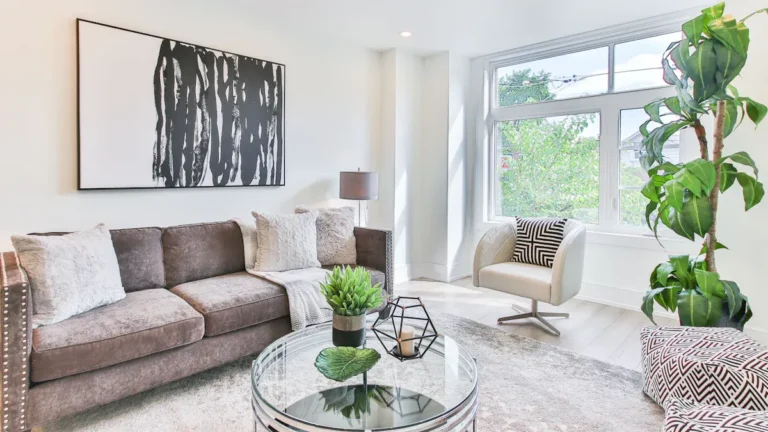
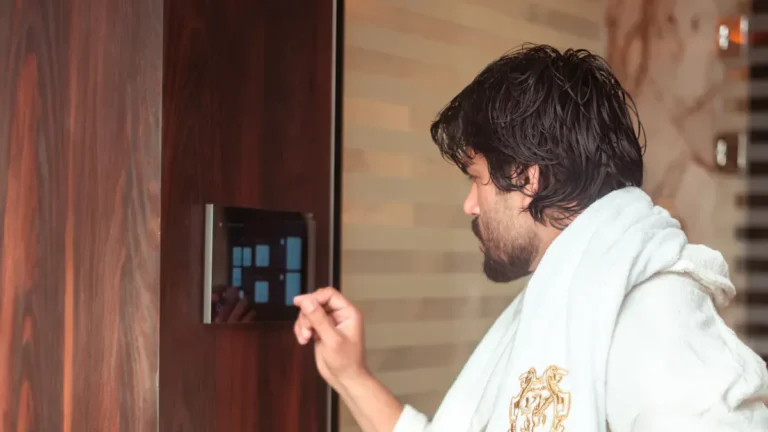
Connected luxury homes use smart devices to create comfort, convenience, and cohesive design throughout the space. Lights, climate zones, and audio adjust to routines and moods for a seamless experience. Security and privacy rely on encrypted access, layered sensors, and careful wiring tucked away from sight. Start with must-have features, plan phased upgrades to manage cost, and hire experienced integrators who balance tech with refined aesthetics. Keep tech discreet so the home feels effortless and personal.
What “Connected Luxury Homes” Mean
When you walk into a connected luxury home, you’ll notice how every comfort and safety feature talks to each other so your life feels easier and more refined.
You feel welcomed because the space knows your habits and adapts with a connected lifestyle that honors your routines.
You’ll enjoy bespoke automation that adjusts lighting, climate, and appliances without asking, yet you stay in control via phone or voice.
Hidden systems work quietly so design feels personal, not technical.
You’ll trust remote access for peace of mind and energy savings when you’re away.
You belong to a home that listens, learns, and anticipates, making daily life calmer, more social, and confidently comfortable for you and those you invite in.
Smart Systems for Luxury Homes: Lighting, Climate, Audio, Security
Smart systems for lighting, climate, audio, and security make your home feel less like a collection of gadgets and more like a trusted companion that cares for your comfort and safety.
You’ll enjoy ambient zoning that tailors light and temperature room by room, so family spaces glow warmly while bedrooms stay cool for rest.
Adaptive acoustics shape sound to match mood, from quiet conversation to lively gatherings, and audio zones follow you without fuss.
Climate controls learn your routine and save energy when you’re away, yet warm the house before you return.
Lighting scenes and blind automation set scenes with one tap.
Remote control keeps you connected to the house and to those inside, creating comfort and belonging every day.
Security & Privacy: Requirements for Smart Devices
Because your home holds what matters most, you’ll want smart devices that protect privacy and keep intruders out without adding hassle. You deserve systems that feel like family and guard your peace.
Begin with strong passwords and two factor access so only people you trust get in. Insist on data encryption for stored and transmitted information to stop eavesdroppers. Require regular firmware audits and timely updates to patch weaknesses before they become risks.
Choose vendors who offer clear policies and local control so you can opt out of cloud sharing when you prefer. Layer physical sensors, cameras, and access logs for accountability and comfort.
Ask for professional installation and ongoing support so your tech stays secure and welcomes you home every day.
Design Strategies to Hide Tech and Preserve Aesthetics
If you want your home to feel calm and elegant, hiding technology is the secret that keeps design clean without losing function. You’ll love how simple choices create belonging and calm.
Start by routing hidden wiring through walls and baseboards so cords never spoil a view. Combine that with recessed controls for lighting and audio that sit flush with your surfaces. Place hubs and routers in a dedicated utility closet to keep living areas peaceful. Use furniture with built-in compartments to tuck remotes and sensors away. Choose faceplates and panels that match finishes so tech blends with decor.
Work with a designer who listens to your lifestyle so installations feel personal and natural, not intrusive or clinical.
Plan and Prioritize Smart Upgrades
You’ve just cleaned up the look of your home and tucked the gear away, and now it’s time to think about what to add next so each upgrade actually improves daily life. Start by listing daily routines you want to simplify, like lighting, climate, security, and entertainment.
Group related features and plan phased implementation so you don’t overwhelm yourself or your home. Choose one room or system at a time, then expand naturally.
Include user education early so everyone feels confident using new scenes, remotes, and voice controls. Invite family or friends to test settings and give feedback.
Pace upgrades with installation windows that respect your lifestyle. This approach builds belonging, reduces stress, and makes each addition feel intentional.
Budgeting and Choosing Integrators for Luxury Homes
When planning luxury smart upgrades, you’ll want a clear budget that matches your goals and long term value so you don’t end up overspending on flashy features you rarely use.
Start by listing must have systems like lighting, climate, security, and audio then get phased price estimates so you can balance comfort, energy savings, and resale value.
When you’re ready to hire, choose an integrator with proven luxury experience, strong references, and a plan for hidden infrastructure and ongoing support so your home runs smoothly for years.
Budgeting For Smart Systems
Because a luxury smart home is both a lifestyle upgrade and a long-term investment, you’ll want a clear budget that matches your goals and avoids surprises.
Start with cost forecasting to map hardware, installation, and future service fees.
Break the plan into phases so upgrade sequencing guides what comes first and what waits.
You’ll feel part of a community when you plan with trusted advisors, friends, or neighbors who’ve done this.
Include contingency funds for unseen wiring or extra devices.
Think about remote access and energy savings features early since they affect recurring costs.
Keep notes on aesthetics and hidden infrastructure to protect design value.
Stay flexible, ask questions often, and choose options that grow with your life.
Selecting The Right Integrator
Picking the right integrator can feel overwhelming, but it’s the single decision that shapes how smoothly your smart home will run and age with you. You want someone who listens and fits your lifestyle.
Start by checking installer credentials and past projects so you trust their skill and taste. Ask about service contracts and response times so you know support will be there when you need it.
Meet teams in person to feel the chemistry and shared vision. Discuss platforms, hidden infrastructure, and how devices will work together so your home stays elegant and simple.
Choose an integrator who explains costs clearly, respects your design, and offers ongoing care. That way you join a community that values craft and comfort.
Frequently Asked Questions
How Do Smart Homes Affect Home Insurance Premiums?
Install smart locks, window and motion sensors, and monitored security cameras to reduce burglary risk and qualify for theft-related discounts. Add smart water shutoff valves and leak detectors to stop pipe bursts early and lower claims for water damage. Use interconnected smoke and carbon monoxide alarms that alert you and your monitoring service instantly to speed emergency response and may earn fire safety premium reductions. Keep device logs, subscription receipts, and professional installation records to prove the systems are active and secure when you apply for discounts. Insurers reward specific, documented protections that demonstrably cut the most common and costly home insurance claims.
Can Legacy Appliances Be Integrated With New Smart Systems?
Absolutely. Many older appliances can join your smart home with specific retrofit modules and protocol bridges such as Z-Wave relays for switches, Wi-Fi smart plugs for standalone devices, or infrared and RF blasters for legacy remotes. These targeted upgrades let you retain familiar equipment while gaining centralized control, scheduled automation, and voice assistant integration.
What Maintenance Schedule Keeps Smart Systems Running Smoothly?
Regular upkeep cuts outages by 70 percent. Schedule these tasks: install security and feature updates on the first Tuesday of each month, create encrypted backups on the 15th of January, April, July, and October, and perform HVAC, sensor, and door-lock inspections at the start of each season. Once a year run a full systems audit including firmware verification, certificate renewal, and log review. Share findings and tips with your building community via a monthly maintenance bulletin.
How Do Smart Systems Handle Power Outages and Backups?
Critical systems stay online using hot swap batteries and an automatic transfer to your standby generator within seconds. Lighting, door locks, and HVAC have dedicated local controls that let you adjust or disable them in person. These layered backups and straightforward manual controls keep your home secure and comfortable during outages.
Are There Resale Disclosure Requirements for Smart Home Features?
A seller in Ohio was sued after concealing that the smart lock on their front door regularly failed and denied buyers access. Many states require disclosure of major connected systems such as locks, thermostats, security cameras, and alarm systems. Check your state disclosure form, document any malfunctions, include access instructions and warranty information, and tell prospective buyers whether accounts must be transferred or subscriptions continue. Being upfront prevents lawsuits, smooths closings, and preserves your reputation.