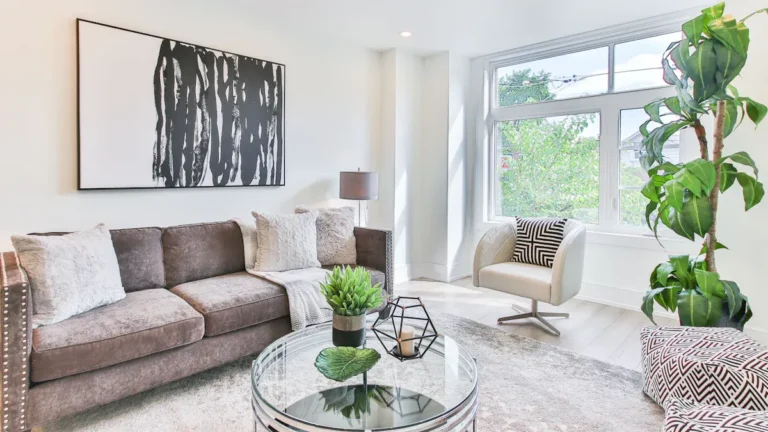
A well-decorated home can lift your mood and make everyday life feel better. The best way to start is with a clear budget, room measurements, and one style that feels simple and comfortable. After that, stick to calm colors, place furniture with easy flow, and add texture for warmth. Small details like wall art and personal touches pull the whole space together without making decorating feel hard.
Set a Budget Before You Start
A clear budget gives your decorating plans a calm, smart starting point. When you know what you can spend, you feel more in control and less pulled by every pretty item. That matters, because your home should support you, not stress you out.
Start by listing must-pay costs like paint, lighting, repairs, delivery, and key furniture. Then set budget allocation for each area, so every dollar has a job.
Next, create spending limits for extras such as pillows, art, baskets, and small decor. Keep a small cushion for surprises, because they always seem to join the party. As you shop, track prices in a note on your phone or a simple worksheet.
That way, you stay grounded, make confident choices, and build a space that feels welcoming, personal, and truly yours.
Find Your Home Decor Style
Before you buy anything, you need to identify the look that feels most like you.
You can save time and money by exploring style inspirations, noticing the colors, shapes, and rooms you’re drawn to, and choosing one main style to guide your space.
From there, you’ll make every decor choice feel easier, more personal, and far less overwhelming.
Identify Your Aesthetic
How do you want your home to feel upon you walk in each day? That question guides your personal style exploration. Before you buy anything, name the mood you want to live in: calm, warm, bright, grounded, or playful. Then choose one main look for most of your space, so everything feels connected and welcoming.
To make that easier, use an aesthetic preferences checklist:
- Pick three feeling words that match the life you want at home.
- Choose one dominant style for about 70 to 80 percent of the room.
- Save 20 percent for accents that show your story without creating chaos.
Start with one room and list your must-have furniture initially. As your choices begin to match, your home starts feeling like it truly knows you, and warmly welcomes you daily.
Explore Style Inspirations
Once you know the feeling you want, start gathering style inspiration that gives that feeling a clear shape. Save photos of rooms that make you feel calm, welcomed, or energized. Then look for patterns. You may notice warm wood, soft neutrals, clean lines, or cozy layers showing up again and again.
Next, build style inspiration boards with images, fabric swatches, paint colors, and furniture ideas. These boards help you see what belongs together before you buy anything. Use curated mood references from magazines, websites, and real homes, not just perfect showrooms. That keeps your choices grounded and livable.
As you investigate, choose one main style to guide most of your home, then add small accents from others. This creates a space that feels personal, connected, and truly yours every day.
Pick a Simple Color Palette
Because color sets the mood faster than any chair or lamp, you’ll make decorating much easier when you pick a simple palette right away. Start with neutral palette basics so your home feels calm, welcoming, and easy to build on. Use a base of soft neutrals on big surfaces, then layer one secondary color and one accent. This creates color distribution balance and helps everything feel connected, not random.
- Choose 60% neutral, 30% secondary, and 10% accent so your rooms feel steady and inviting.
- Keep stronger shades on pillows, art, or a favorite vase, where personality can shine without taking over.
- Let lighter ceilings, medium walls, and darker floors quietly guide the eye and make your home feel grounded.
When your colors work together, you’ll feel more at home, and your space will welcome others too.
Choose Decor That Fits Your Space
Before you buy anything, measure your room so you know what’ll truly fit and feel right.
Then match each piece to your space, because furniture that’s too big can crowd the room, and pieces that are too small can make it feel unfinished.
When you get the scale right, your home feels calmer, easier to use, and much more like you.
Measure Room Dimensions
Grab a tape measure and map out your room first, since the right decor only works when it truly fits your space. Measure wall length, width, and ceiling height, then observe windows, outlets, and radiators.
Next, check doorway clearance so pieces can actually get inside without stress or surprise.
When you sketch a simple floor plan, you give yourself confidence. You stop guessing and start creating a home that feels welcoming, calm, and truly yours.
- Measure every wall twice, because small mistakes can make a room feel off.
- Mark doors, windows, and outlets so your layout supports daily life.
- Observe ceiling height and doorway clearance before buying shelves, lamps, or storage pieces.
This step helps you choose wisely, avoid returns, and build a space where you feel comfortable, capable, and right at home every day.
Match Scale Properly
How do you make a room feel right instead of cramped, empty, or awkward? You match each piece to the room’s size and shape.
Start with scale proportion basics. If your room is small, choose slimmer chairs, lighter tables, and art that doesn’t crowd the walls. If your room is large, go bigger so everything feels welcoming, not lost.
Next, compare every item to what sits near it. Your sofa should relate to your rug, coffee table, and wall height. That’s how you create comfort people can feel.
Then use oversized decor balance with care. One large mirror or lamp can add character, but too many big pieces can make the room feel heavy. When your decor fits the space, your home feels easy, warm, and like you truly belong.
Arrange Furniture for Comfort and Flow
When you arrange furniture with comfort and flow in mind, your room starts to feel easier to live in right away. Place your largest piece first, then build around the main sightline and focal point. Keep walkways open so everyone can move naturally through clear traffic flow zones. Pull seating close enough for warm seating conversation loops, because connection matters.
Then balance the room so no side feels too heavy or lonely. Choose paths that feel welcoming, not cramped, and leave space near doors, windows, and outlets.
- Face key seats toward each other to invite easy talking and shared moments.
- Float furniture off walls if possible to make the room feel relaxed and gathered.
- Check each path upon walking it yourself, so your home feels supportive, calm, and easy for everyone.
Layer Lighting for a Cozy Feel
Because lighting shapes the mood before anyone notices the furniture, it deserves your attention at the outset in the decorating process. When you layer light well, your room feels welcoming, calm, and easy to live in. Start with ceiling fixtures for general brightness, then add ambient task lighting through table lamps, reading lights, and under-cabinet options where you work or relax.
Next, consider control. Smart dimmer switch placement lets you shift the room from busy mornings to quiet evenings without changing a thing else. Keep natural light open, and use mirrors to spread it farther so every corner feels included.
Then place floor lamps near seating and wall lights beside beds or hallways for comfort and safety. With each layer, you create a home that feels like it truly has room for you, every single day.
Add Texture to Warm Up the Room
After you layer lighting, texture is what makes the room feel truly warm and lived in.
You can start by layering rugs and throws, then mix in natural materials like wood, linen, and stone to make the space feel richer and more inviting.
Woven accents such as baskets, shades, and poufs add that easy, cozy finish that helps your room feel comfortable right away.
Layer Rugs And Throws
Although rugs and throws seem like small details, they can change how a room feels almost right away through adding warmth, softness, and depth. When you combine rug textures with thoughtful throw layering, your space starts to feel lived in, welcoming, and truly yours. Try placing a smaller rug over a larger neutral one to create comfort without clutter.
Then drape throws where people naturally gather, like sofas, beds, or reading chairs.
- Layer soft and flatwoven rugs to help the room feel grounded and inviting.
- Fold or casually drape throws to make seating look relaxed, shared, and easy to use.
- Repeat colors from your rug in your throws so everything feels connected.
These layers don’t just decorate a room. They help you build a home that feels warm, familiar, and ready to welcome people in.
Mix Natural Materials
Natural materials bring a room to life in a way that paint and furniture alone can’t. As you mix wood, linen, clay, and leather, your space feels warmer, softer, and more welcoming. That matters because home should feel like a place where you truly belong.
Start with small layers you can build over time. Try natural stone accents on a side table, shelf, or fireplace ledge to add quiet depth. Then bring in rattan storage baskets to keep daily clutter tucked away while adding an easy, relaxed feel.
You can also pair a wooden coffee table with ceramic vases, a jute runner, or cotton curtains. As these textures work together, your room feels grounded and lived in, not stiff or staged. That’s the sweet spot you’re after every day.
Use Woven Accents
Because texture changes how a room feels almost as much as color does, woven accents can make your space feel warmer, calmer, and more inviting right away. Whenever your room feels flat, you can soften it with woven baskets, textured wall hangings, a cane stool, or a seagrass tray. These pieces add depth without making your home feel crowded.
They also help your space feel lived in, personal, and easy to love. That matters, because home should feel like a place where you belong.
- Place woven baskets near seating to hold blankets, books, or everyday items beautifully.
- Hang textured wall hangings where walls feel bare, so the room feels settled and welcoming.
- Layer small woven pieces with wood, linen, or plants to create comfort, balance, and a natural sense of connection.
Use Wall Decor Without Clutter
A clean wall can do more for a room than a crowded one ever will. When you leave breathing room, your home feels calmer, warmer, and easier to enjoy with others. Choose one focal piece first, then build around it with care. Good statement art spacing helps each item stand out instead of fighting for attention.
If you love grouped frames, aim for gallery wall balance by keeping similar gaps, matching scale to the wall, and stopping before the arrangement feels busy. Also, hang pieces at eye level so the room feels welcoming right away.
In tighter spaces, use one larger piece instead of many small ones. That choice keeps things simple and polished. As a result, your walls support the room’s style, while your space still feels open, relaxed, and easy to live in daily.
Add Personal Touches That Feel Intentional
Once your walls feel calm and balanced, you can bring in the pieces that make your home feel like yours. Choose items that tell your story, then place them with care so each one matters. A shelf, tray, or small table helps family keepsakes and curated mementos feel grounded instead of scattered. This creates warmth without making the room feel busy.
- Display photos that remind you who supports you.
- Layer books, candles, and art to show what comforts you.
- Use handmade pieces to add heart and connection.
As you style, repeat a color, material, or shape so personal objects feel connected to the room. You don’t need to show everything at once. Rotate special pieces throughout season or memory. That way, your space feels welcoming, honest, and deeply yours, every single day.
Avoid Beginner Home Decor Mistakes
Even beautiful pieces can fall flat should you buy earliest and plan later, so the easiest way to avoid beginner decor mistakes is to slow down and build the room with purpose. Start by choosing your style, then measure everything, including doors, windows, and outlets. This keeps you from budget pitfalls and furniture that doesn’t fit.
Next, anchor each room with a focal point and a clear path to walk. Use a simple color plan, with neutrals on big surfaces and accents in smaller doses. That approach helps you dodge overdecorating traps and keeps your home feeling calm, welcoming, and like you belong there.
Save accessories for last, add storage early, and invest in pieces you truly need. As soon as your space works well, it also feels warm, personal, and easy to love every day.
Frequently Asked Questions
How Do I Measure Rooms Accurately Before Buying Furniture?
Sketch the room first and write down each wall length, along with the position of windows, doors, and outlets. Precise room measurements help you avoid buying furniture that does not fit or blocks access. Use clear room dimensions and a furniture sizing guide to choose pieces with confidence.
Should Adjoining Rooms Use the Same Flooring for Better Cohesion?
Using the same flooring in adjoining rooms usually creates a more unified look. It helps spaces connect visually, improves flow, and gives your home a more seamless, comfortable feel for both you and your guests.
When Should Electrical Wiring and Carpentry Be Completed During Decorating?
Complete electrical wiring and structural carpentry first. Install wiring before any surface finishes and finish carpentry before painting. After that, work on ceilings, walls, and floors, then add furniture at the end to avoid damage and keep the decorating process organized.
How Many Decorative Vignettes Should I Create in One Room?
Create 2 to 3 decorative vignettes in one room. This gives the space visual balance without making it feel overcrowded. Let each grouping highlight your personal style, tie key pieces together, and add warmth and character to the room.
What’s the Ideal Ratio for Mixing Two Decor Styles?
Use an 80/20 split when combining two décor styles: let one lead at 80% and the other support at 20%. This keeps the room visually clear, prevents competing elements, and helps the overall look feel intentional and personal.