A clear starter plan makes dressing for formal events simple and stress-free. Choose one flattering foundation piece—a tailored suit, gown, or sleek jumpsuit—and refine fit with a skilled tailor. Select season-appropriate fabrics and coordinated accessories, matching metals and colors for a polished look. Finish with comfortable, broken-in shoes, neat grooming, and a suitable bag to carry essentials through the evening.
Quick-Start Formal Outfit Checklist
Start with a simple checklist that keeps you calm and confident while dressing for a formal event. You’ll lay out outfit pieces, shoes, jewelry, and any gloves or shawl you need. Add timing alerts so you leave enough time for hair, makeup, and last minute adjustments.
Pack an emergency kit with safety pins, stain wipes, clear tape, a lint roller, and spare shoelaces. Check fit and comfort, then practice sitting and walking in your shoes.
Coordinate colors and textures with a pocket square or clutch. Ask a friend to review your look and offer honest praise.
Keep receipts and care instructions in your bag. These steps help you feel included, prepared, and ready to enjoy the evening.
Start With One Flattering Foundation Piece
At the moment you select one flattering foundation piece, you give your whole outfit a clear starting point and a confidence lift that makes the rest of your choices easier. Pick a dress, suit, or customized jumpsuit that fits your body and mood. From there, add accessories that feel like you, such as statement jewelry or bold scarves to show personality and belonging. Let one strong piece guide shoe, bag, and layer choices so the look stays intentional.
| Foundation Piece | Why it works |
|---|---|
| Customized suit | Structure and poise |
| Floor-length gown | Grace and presence |
| Refined jumpsuit | Modern ease and comfort |
This method keeps decisions simple, supportive, and warm so you feel both seen and at ease.
Choose Colors & Textures That Feel Formal (And You)
How do you pick colors and textures that feel both formal and truly yours? Start with considering colors that calm and enable you. Dark navy, charcoal, eggplant, and forest green read formal but let your personality show. Mix in metallic accents on a clutch or cuff to catch light without shouting.
For texture choose fabrics that invite touch. Velvet textures add warmth and richness for evening events. Silk or satin panels bring a subtle glow for summer affairs. Layering helps you belong and feel composed. Try a matte blazer with a velvet lapel or a satin blouse under a structured coat.
Test small accessories initially so you feel confident. Let each choice match the mood of the event and the part of you you want to share.
Get the Fit Right: Tailoring Basics
You want your formal clothes to look like they were made for you, so start upon checking that the shoulder seams sit right at the edge of your shoulders.
Then make sure hems hit the right spot if it’s trousers grazing the shoe or a gown skimming the floor, and pay attention to waist suppression so your silhouette feels customized and comfortable.
Whenever these three areas work together your outfit will feel confident and calm, and you’ll move through the event with ease.
Shoulder Seam Alignment
Curious why the tiny line where the sleeve meets the body matters so much? You notice it initially once a jacket looks off. Shoulder seam alignment shapes your silhouette and tells you whether a piece belongs to you.
Provided the seam sits past your shoulder, you get loose shoulders and dropped seams that swamp your frame. In case it sits too far forward, the sleeve pulls and you feel tight.
You can ask a tailor to move seams, pad lightly, or adjust sleeve heads for smoother lines. Try jackets and dresses slowly, raise your arms, sit, and check in a mirror.
Trust how the garment makes you feel. Whenever seams sit right, you walk into the room like you belong.
Hem Length Precision
As soon as a hem hits the right spot, it finishes your look and boosts your confidence, so you want it measured with care and common sense.
You should decide the event and shoes initially. For white tie or black tie, floor or ankle lengths can matter, so test with the shoes you’ll wear. For casual formal settings, observe how maxi lengths sweep and how midi skirts sit at the calf to avoid awkward bunching.
Ask a tailor to pin while you stand and sit. Check balance with jacket lengths and side slits. Trust small adjustments over dramatic cuts. You’ll feel seen once hems move well with your stride. Invite feedback from friends who know your style and build trust in the fit.
Waist Suppression Adjustments
After you’ve perfected hem lengths with your shoes on, attention moves to the waist where most of your outfit’s poise is decided. You’ll feel more confident once the waist sits right.
Start by pinning excess fabric while standing and sitting. Ask your tailor for subtle take-ins at side seams and back darts to keep movement easy. Try soft corset alternatives like wide elastic waist panels or inner stays for structure without stiffness.
Should you want shape without tightness, consider peplum detailing to add waist definition and a flattering flare. Balance is key so the waist ties to shoulder and hip lines.
Bring your shoes and undergarments to fittings. Talk openly with your tailor about comfort and posture so your outfit supports you all evening.
Choose Fabrics & Layers for Each Season
You’ll want to pick fabrics that match the season so you feel comfortable and look polished. For summer choose breathable linens and lightweight silk blends, and for winter prefer wool, cashmere, or heavier gabardine with longer sleeves.
Then layer smartly with customized blazers, matte shawls, or lightweight boleros so you can adjust to venue temperature without losing your formal look.
Seasonal Fabric Choices
While the season dictates what feels right, choosing the right fabrics and layers will keep you comfortable and confident at any formal event. You want pieces with seasonal fabric durability and temperature adaptability so you feel secure and included no matter the room.
Consider texture, weight, and how fabrics move together.
- Summer: lightweight linens or silk blends that breathe and look refined.
- Fall: midweight wool blends and felted silks that hold shape and color.
- Winter: heavy wool, cashmere, or velvet for warmth and polished presence.
- Spring: cotton blends and modal that manage light chill and humidity.
You’ll notice each choice supports your confidence. Use honest feel and fit to guide selections and match the event tone.
Smart Layering Techniques
Should you layer smartly for each season, you’ll stay comfortable and look polished without feeling bulky or overdone.
You’ll pick breathable linens and lightweight silks for summer so you can move and mingle. In spring choose midweight blends that handle chillier mornings and warmer afternoons. For fall and winter favor wool and cashmere knits that trap warmth without adding bulk.
Combine fitted base layers with structured pieces so your silhouette stays sophisticated. Choose versatile items like oversized outerwear that still reads refined whenever paired with a custom blazer. Look for detachable sleeves to adapt a coat into a vest at indoor receptions.
You’ll mix textures and lengths thoughtfully, matching color tones to the season, and you’ll feel confident, welcomed, and ready for any formal occasion.
Select Shoes That Balance Style and Comfort for Formal Events
Once you step into a formal event, pick shoes that let you feel confident and comfortable all night long. You want style that includes sensible heel height and proper foot padding so you can stand, mingle, and smile without distraction.
Consider fit initially and materials next. Leather molds to your foot and breathes, while modest heels keep you graceful. Choose colors that link to your outfit and the room so you feel included.
- Prioritize fit and try shoes with extra foot padding for long hours.
- Pick heel height that supports posture and reduces fatigue.
- Match shoe finish to event formality while keeping comfort in mind.
- Break in shoes at home and bring cushions if needed.
Add Three Subtle Accessories for a Refined Finish
In case you want your formal look to feel thoughtfully finished without shouting for attention, add three subtle accessories that work together and let your outfit breathe.
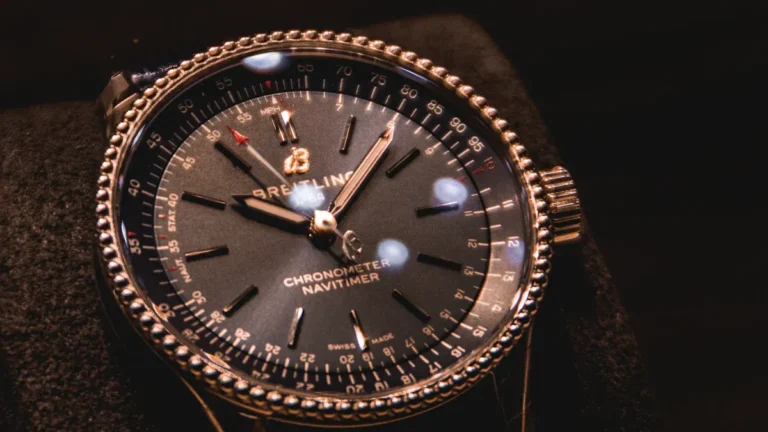
Choose a delicate brooch near your shoulder or lapel to add personality and a touch of warmth. Pair that with minimalist watches that keep time and calm your presence without competing. Then add a slim pair of cufflinks or a thin belt that echoes metal tones from your watch and brooch. These pieces should match color and scale so nothing fights for focus.
You’ll feel seen and comfortable whenever each item supports the others. Small choices like texture, patina, and placement create cohesion and help you belong in the room.
Grooming, Bag Choices, and Event-Specific Outfit Examples
After you’ve chosen those three subtle accessories that tie your outfit together, pay the same careful attention to grooming and the bag you carry because they complete the story you’re telling in the room.
You’ll want grooming essentials like neat nails, subtle scent, and a polished hairstyle so you feel confident and included. Then match bag styling to the event so your bag supports your look without shouting.
- For white tie choose a refined clutch that sits unobtrusively and respects formality.
- For black tie pick a structured evening bag that complements your gown or tuxedo.
- For corporate formals use a sleek leather satchel or compact brief that signals competence.
- For seasonal events consider textures and colors that echo the venue and mood.
Frequently Asked Questions
Can Children Follow the Same Formal Dress Rules as Adults?
Yes—you can follow many formal rules, but prioritize age appropriateness and comfort considerations: choose scaled, softer fabrics, flexible shoes, and simplified accessories so kids feel included, confident, and able to enjoy the event without fuss.
How to Handle Dress Code Conflicts Between Partners?
Playfully refuse a fashion duel: you’ll negotiate compromise strategies and use gentle communication techniques, listening openly, trading outfit concessions, coordinating colors, and celebrating shared choices so you both feel included, respected, and confidently matched.
Are Sustainable or Rental Options Acceptable for White Tie?
Yes — you can wear eco friendly or dress rentals to white tie; you’ll honor tradition through renting pristine tailcoats or gowns, ensuring proper fit and gloves, and you’ll feel included while reducing waste and supporting accessible luxury.
Can Cultural or Religious Attire Substitute Formal Standards?
Yes — you can respectfully substitute traditional garments and religious symbols for formal standards, so you’ll feel included; communicate with hosts beforehand, choose refined fabrics and coordinating colors, and guarantee garments meet event formality and safety.
What to Do if the Event’s Dress Code Is Ambiguous?
Should the dress code’s ambiguous, clarify expectations initially: ask the host about formality, venue, and cultural considerations. You’ll feel more confident dressing appropriately, and they’ll appreciate your thoughtfulness and desire to belong.