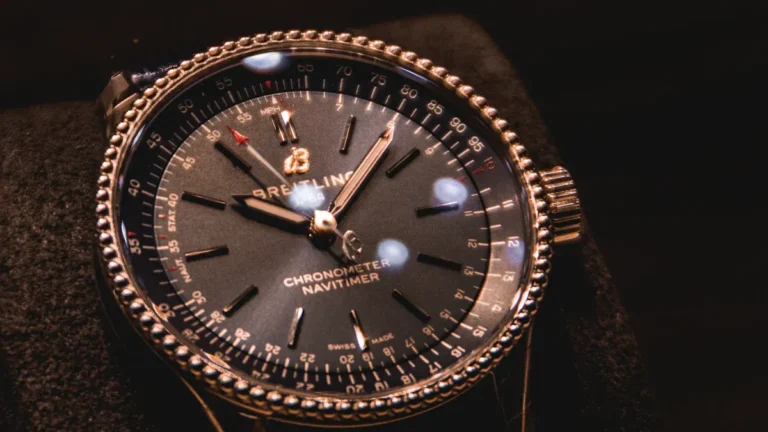
Scarcity drives demand in luxury by making items feel exclusive, rare, and socially valuable. Brands create limited editions, timed drops, and invite-only access to prompt quick decisions and signal status. That engineered rarity triggers fear of missing out and reinforces social proof, so possession implies belonging. Alongside tactics, there are clear risks and ethical questions about manipulation and value inflation.
Scarcity in Luxury: How Rarity Creates Desire
At the moment you spot a bag or a watch that only a few people can get, you feel something change inside you, and that feeling isn’t accidental. You’re drawn to objects that show heritage craftsmanship, and that draws you closer to a community that values the same things.
You notice how careful material sourcing and slow production make each piece rarer and more meaningful. You want what others can’t easily buy because it signals membership in a select circle.
You envision stories behind the maker, the hands that shaped leather or metal, and that story connects you to others who recognize it. This sense of belonging grows with every detail you learn, and that’s how rarity creates desire.
The Psychology of Scarcity: Heuristics and FOMO
You notice scarcity heuristics at work once a limited-edition release suddenly feels more precious simply because it’s rare.
That feeling sparks FOMO and pushes you to act quickly so you won’t miss out on belonging or status. Brands use these cues deliberately to make choices feel urgent, social, and emotionally meaningful.
Scarcity Heuristics Explained
I’ve noticed how easily scarcity taps into our feelings, so let’s walk through why limited supply makes things feel urgent and special.
You spot scarcity bias whenever you assume scarce items are better. Your mind uses cognitive shortcuts to decide fast, so you feel pressure to join the small circle that owns them. Brands shape those cues with waiting lists, limited runs, and selective access, and that nudges you toward belonging. You want the comfort of shared taste, and scarcity signals membership.
Once you see others who waited or saved, you feel reassured and more enthusiastic. That social proof ties directly to those mental shortcuts, and it keeps demand steady while reinforcing the idea that rare equals desirable.
Fear Of Missing
Because scarcity makes choices feel urgent, you can start to worry you’ll miss out and act fast to avoid that feeling. You sense belonging once others in your circle covet the same piece, and that social pull nudges you toward decisions. Brands use urgency messaging to heighten that nudge, so you feel included as you buy. That can lead to panic buying whenever a release feels like the only chance to join a group. You want to fit in and be seen, and scarcity taps that desire.
| Emotion | Brand cue |
|---|---|
| Anticipation | Teaser drops |
| Relief | Secured purchase |
| Anxiety | Low stock alerts |
| Satisfaction | Exclusive ownership |
Scarcity as a Status Signal in Luxury Markets
At the moment a luxury item is hard to get, it sends a clear message about who owns it and what that person has achieved, and that message often matters as much as the product itself.
You notice scarcity working as social signaling, where owning something rare shows your place in a group and invites recognition. You want to belong, and status consumption helps you do that without words. Brands shape access so you feel seen once you finally join the circle. That shared feeling links desire to community.
- Visible rarity creates instant social proof
- Waiting and effort deepen emotional attachment
- Shared rituals turn ownership into group membership
You’ll feel dignity and welcome when scarcity matches your values.
Types of Scarcity in Luxury: Limited Runs, Time, Access
You notice how limited edition drops create a rush that makes ownership feel special and personal.
You also see exclusive access events use time and invitation to turn a product launch into an unforgettable moment.
Together, these tactics make scarcity feel both emotional and strategic, so you want in while supplies and opportunities last.
Limited Edition Drops
During periods brands limit how many items they make, restrict during periods they’re sold, or control who can buy them, they turn ordinary products into objects people really want, and you’ll feel that pull too. Limited edition drops let you join a small circle. You get excited understanding pieces won’t be around forever.
Brands use collaborative releases and packaging innovation to make each drop feel personal and shared. You notice thoughtful details, and that makes you part of something.
- Timed online drops that reward quick shoppers
- Small batch runs with artist collaborations
- Special packaging that signals membership to a group
These moments build connection, invite loyalty, and let you belong to a chosen community.
Exclusive Access Events
Why does an invitation make a product feel priceless? You feel seen whenever a brand offers exclusive membership or private viewings. That personal gesture tells you you belong to a select group, and that belonging fuels desire. Events create time-limited access, short runs, and emotional connection that no ad can match.
| Event Type | Emotional Pull |
|---|---|
| Private viewings | Intimacy, trust |
| Members only dinners | Fellowship, rarity |
| Preview sales | Urgency, self-respect |
| Artist meetups | Connection, story |
| Capsule launches | Ownership, bragging rights |
You’ll value items more after shared moments with peers. Brands craft scenes where you meet makers, touch pieces, and leave with a story. That story makes scarcity feel meaningful and keeps you coming back.
Designing Limited-Edition Product Drops
In moments when brands limit how many pieces they make, they turn products into stories people want to be part of, and you can use that same idea to design limited-edition drops that feel special and worth waiting for.
You’ll craft collaboration exclusives that unite artists, makers, or communities so buyers feel seen. You’ll use packaging innovation to make unboxing a shared ritual that ties owners together. Keep releases small, timed, and personal so demand stays high and belonging grows.
- Partner with creators who match your audience values
- Create memorable packaging that encourages sharing
- Offer members initial access and personalized touches
These steps build trust, spark conversations, and invite people into a select circle.
Pricing Tactics That Amplify Rarity Value
You’ve planned a memorable limited-edition drop and made people feel part of something special, now you’ll use pricing to make that feeling stick and grow.
Start from setting clear tiers tied to scarcity so customers see their place. Use tiered rarity to name levels and assign higher prices to rarer tiers.
Then apply flexible pricing for waves of releases, raising price points as supply tightens to reward initial insiders and signal value to others.
Offer member-only prices for your closest community, and slightly higher public prices to protect exclusivity.
Add small, timed premiums like personalized options to deepen belonging.
Keep messages warm and clear so buyers know buying is joining a group, not just a transaction.
Storytelling and Provenance in Perceived Scarcity
When a product comes with a clear story and traceable origins, people feel they’re buying more than an object, they’re joining a small club with a history and a name, and that feeling makes scarcity matter more.
You want to belong, so brands use heritage storytelling and craftsmanship legacy to invite you in. You hear about founders, ateliers, and hand tools. You see provenance documents and numbered editions that show care and rarity.
That narrative links the product to people and place, so limited runs feel meaningful not arbitrary.
- An artisan tale that names makers and locations
- Provenance tags that trace ownership and materials
- Small batch markers that show unique production dates
Influencer Seeding and Social Proof to Scale Demand
Once influencers share a scarce item and fans see real people enjoying it, scarcity stops being just a price tactic and starts to feel like a social passport.
You notice belonging whenever a trusted voice models access. You want to be part of that circle, not outside it. Influencer authenticity matters because you sense sincerity in how they use and talk about the piece.
At the point several creators show the same rare item, you get social proof that it’s worth wanting. Brands seed thoughtfully, picking storytellers who match their values so the vibe stays genuine.
You’ll feel invited, not sold to. That feeling lifts desire and spreads demand organically through communities you already trust and follow.
Distribution Control: Boutiques, Waitlists, Invite-Only Sales
During the period brands control who can buy and where items show up, they shape desire with care and intention. You feel seen whenever a boutique experiences visit is curated just for you.
Brands use boutique settings, waitlists, and invite only events to make belonging tangible. You want access, and that gentle gatekeeping tells you you belong to a select circle.
Quiet showrooms, knowledgeable staff, and private previews deepen trust and connection. Waiting lists reward patient loyalty and turn patience into prestige.
Invite only sales make you feel chosen, not sold to, and encourage you to protect that status. These methods keep demand steady while you savor membership in a small group.
Measuring ROI: Metrics and Methods for Scarcity Campaigns
How will you know whether a scarcity campaign actually pays off? You track both short wins and long term ROI. Start with clear KPIs like sell-through rate, price premium, waiting list growth, and social engagement.
Then add depth with lifetime value shifts and repeat purchase lift to show sustained desirability and belonging. Use campaign attribution to link limited drops to sales spikes, web traffic, and retailer requests. Blend quantitative measures with sentiment signals such as community mentions and invite acceptances.
Run controlled releases to compare cohorts and measure resale price trends that signal lasting value. Keep stakeholders close, share simple dashboards, and tell the story behind the numbers so your team and customers feel included and confident.
Risks: Artificial Scarcity, Backlash, and Resale Markets
You’ll want to watch how artificial scarcity can backfire once customers spot obvious supply manipulation, because that can erode trust and damage your reputation.
If resale markets soak up limited stock and push prices far above retail, you face distorted demand signals and frustrated buyers who feel excluded.
Artificial Scarcity Pitfalls
During that period brands deliberately limit supply to stoke desire, they can also spark serious risks you need to watch for, because artificial scarcity cuts both ways. You want to belong, but if scarcity feels engineered you might feel pushed out.
Inventory mismanagement and poor demand forecasting turn clever limits into frustration, leaving loyal customers empty handed and hurt.
- Customers resent manipulative drops that increase resale profits over real buying joy
- Resale markets thrive, making products feel like investments not shared symbols
- Backlash grows once access favors insiders, dealers, or bots
You care about fair access. Brands that balance scarcity with clear rules and honest communication keep communities connected and trust intact.
Brand Reputation Risk
In case brands make items rare on purpose, they gain status but also risk hurting their reputation, and you feel that sting whenever a drop feels unfair or stacked against ordinary buyers. You want to belong, not be shut out, so forced scarcity can breed consumer skepticism and fear of brand dilution once loyalty feels exploited. You notice social chatter, and you judge fairness quickly.
| Signal | Risk | Response |
|---|---|---|
| Long waits | Resentment | Clear rules |
| Bots buying | Unfair access | Anti-bot tech |
| Resale spikes | Perceived hoarding | Transparent limits |
You need honest access and shared rituals. Brands that listen, explain choices, and create inclusive moments keep trust and belonging while keeping rarity real.
Resale Market Distortions
You felt the sting just as brands made access feel unfair, and that same hurt shows up once more in the resale market where scarcity can be faked and frustration mounts. You want to belong, not be outplayed through bots or middlemen who hoard drops and flip them for profit. That creates market arbitrage that breaks trust and pushes loyal buyers to secondhand platforms.
Policies like resale taxation can help, but they must be fair and clear so communities don’t feel punished. You need transparency, stronger seller verification, and limits on bulk buys. Whenever brands and platforms act with care, you’ll trust the system again and find shared access to what matters.
- Bots and hoarding harm belonging
- Fair resale taxation cultivates trust
- Transparent rules reduce market arbitrage
Ethics and Regulation of Manufactured Scarcity
Because scarcity can be created deliberately, you could feel uneasy at occasions a brand keeps products rare simply to boost status and profits. You want fairness and belonging, so consumer protection matters. You look for clear regulatory structures that prevent deceit, stop artificial limits that harm shoppers, and keep markets honest. Brands should answer to rules and community standards while you still enjoy special goods.
| Concern | Action | Benefit |
|---|---|---|
| Artificial limits | Monitor releases | Fair access |
| Resale spikes | Tax or caps | Lower exploitation |
| Concealed tactics | Disclosure laws | Informed buyers |
You’ll want transparency, humane policies, and dialogue. At times rules and values align, you’ll feel included, respected, and confident in choices.
How Consumers Can Spot Marketing-Driven Scarcity
You can spot marketing-driven scarcity through watching for repeated limited-time offers that pop up with tight deadlines and countdowns.
Pay attention to artificial scarcity tactics like small batch claims, staged sellouts, or timed drops that reappear as soon as demand rises.
Once you notice these patterns, ask whether the brand truly has limited supply or whether it’s shaping your urgency to buy.
Limited-Time Offers
At the moment a sale feels urgent, pause and look for signs that the scarcity is marketing, not true shortage. You want to belong, so you notice how brands use flash sales and countdown timers to spark shared excitement. Those signals can be engineered to make you act fast.
- Check for repeated flash sales that follow the same calendar rhythm
- Watch countdown timers that reset or extend whenever items remain in stock
- Look for phrasing that highlights group access like members only or limited drop
Whenever you spot these patterns, you can choose with friends who value authenticity. Trust your sense of timing and community. Ask questions, compare past drops, and lean on peers to decide whether the urgency matches real rarity.
Artificial Scarcity Tactics
You’ve already learned to spot predictable flash sales and blinking timers that try to make you rush. Now watch for softer signals of artificial scarcity. Brands might cite production delays or vague supply shortages to explain limited stock.
You’ll see staged waiting lists, drip releases, and member-only previews that make you feel chosen. That feeling of belonging matters, so brands craft scarcity to include some people and exclude others.
Check dates, ask store staff specific questions, and look for repeat restocks online. Follow resale listings to see true availability. Trust your community too and share findings. Should many people report similar patterns, it’s likely marketing, not real shortage.
You deserve clear information before you decide.
Future Trends: Scarcity’s Impact on Luxury Retail
Because scarcity keeps desire alive, luxury retailers are planning how limited supply will shape the next decade of shopping. You’ll see brands use digital scarcity and sustainable luxury together to deepen connection and protect value.
You’ll feel invited into small communities where access signals shared taste and care. Retailers will blend curated drops, verified ownership, and repair programs so rarity feels responsible and lasting.
- Limited digital drops that prove authenticity and cultivate tight communities
- Eco-focused limited runs that show you your purchase supports lasting craftsmanship
- Membership models that give you insider access and real belonging
These moves tie exclusivity to purpose, so you join a circle that values beauty, ethics, and permanence.
Frequently Asked Questions
Do Luxury Brands Coordinate Scarcity Across Competitors to Maintain Pricing Power?
No, you usually won’t see formal collaborative agreements; brands informally align pricing strategies and scarcity cues, so you’ll feel shared exclusivity without explicit collusion, preserving belonging while legally keeping prices increased and desirability high.
How Do Supply-Chain Disruptions Unintentionally Create Long-Term Perceived Scarcity?
Like finding one candle left on a snowy shelf, supply bottlenecks make you feel lucky to own rare pieces, and consumer psychology locks in desirability — you’ll crave belonging to that smaller, exclusive circle longer.
Can Scarcity Strategies Alienate Emerging-Market Younger Consumers Permanently?
Yes — should you overuse scarcity, you’ll erode consumer trust and fracture brand loyalty; you’ll alienate younger emerging-market buyers seeking inclusion, so balance exclusivity with accessible experiences to keep them feeling valued and connected.
What Tax or Accounting Impacts Arise From Intentionally Limited Production?
You’ll face higher inventory valuation scrutiny and potential write-downs for scarce stock, and deferred revenue intricacies from pre-sales or deposits; you’ll need careful recognition timing, disclosure, and tax planning to preserve exclusivity and investor trust.
How Do Brands Legally Protect Against Counterfeit Scarcity-Driven Knockoffs?
You protect scarcity-driven products through enforcing trademark enforcement, running anti counterfeiting programs, collaborating with customs and platforms, educating loyal customers, and creating members-only channels so you’ll feel belonging while deterring knockoffs and preserving exclusivity.