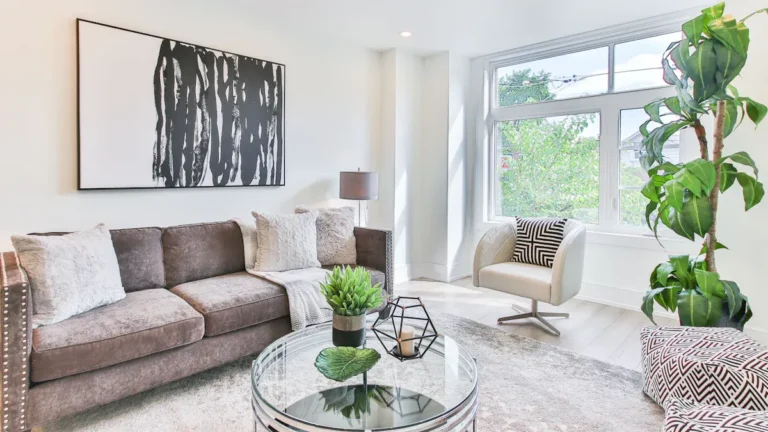
The perfect home decor style starts with what feels right in your space and fits your daily routine. Look at the colors, textures, and rooms that make you feel at ease and use those as your guide. Your home already gives clues through its light, layout, and overall mood. Once those pieces line up, choosing decor feels much simpler and a lot more natural.
Decide How You Want Your Home to Feel
How do you want your home to feel as you walk through the door? Before you pick colors or furniture, name the feeling you want to come home to. You could crave calm, warmth, energy, or comfort that helps everyone feel welcome. That choice shapes your mood and atmosphere more than any label ever could.
Next, consider your emotional room goals in daily life.
Do you want your active room to invite long talks, your bedroom to feel restful, or your kitchen to feel lively and shared? As you envision each space, connect beauty with real use.
A home that supports your routines also strengthens your sense of belonging. As soon as you start with feeling, you create a clear direction, and decorating feels less stressful, more personal, and much easier to trust.
Notice Which Decor Styles You Save
Often, the styles you save tell the truth before you can name it. When you collect rooms that make you pause, you’re already building mood board inspiration. Save freely from Pinterest, screenshots, or photos that feel welcoming, calm, rich, or lived in. Don’t force a label yet.
Then step back and study what keeps showing up. You might notice recurring pin patterns in colors, wood tones, shapes, fabrics, lighting, or layout. Maybe you save soft textures, curved furniture, and warm neutrals again and again. Maybe bold art and clean lines keep finding you. Those repeats matter because they reflect what helps you feel at home.
As your saved images gather, they create a clearer image of where you belong, and that clarity makes decorating feel less lonely, more natural, and much more like you.
Compare Popular Decor Styles
As you compare popular decor styles, you’ll start to see which spaces feel most like home to you. You may love the clean lines of modern, the warmth of traditional, the calm mix of minimalist and Scandinavian, or the free spirit of bohemian, rustic, and industrial rooms. Whenever you line these styles up side by side, you can spot the colors, textures, and moods that fit your life best.
Modern Vs. Traditional
While modern and traditional decor can look very different, the best choice starts with what feels right in your daily life, not with a strict label. If you love clean lines, open space, and modern elegance, modern may feel calm and current. If rich wood, layered textures, and traditional charm make you exhale, traditional may feel more like home.
| Modern | Traditional |
|---|---|
| Clean lines | Detailed shapes |
| Open, airy feel | Warm, layered feel |
| Simple finishes | Classic wood tones |
As you compare them, notice which rooms from your mood board feel welcoming to you. Your favorite rug, art, or heirloom can guide you. You don’t need to fit in with one camp. You need a style that helps you feel grounded, seen, and proud to gather people in.
Minimalist And Scandinavian
If you’re drawn to calm, uncluttered rooms, minimalist and Scandinavian style might both feel like home, but they create that feeling in different ways. Minimalism asks you to strip back, keep only what serves a purpose, and rely on clean lines, open space, and quiet colors. You’ll feel grounded when everything has a place, especially with minimalist storage solutions that hide daily clutter.
Scandinavian style also values simplicity, yet it feels warmer and more welcoming. It mixes pale woods, soft textiles, and gentle patterns to help your space feel lived in and easy to love. While minimalism can feel crisp and spare, Scandinavian rooms invite you to settle in, breathe out, and stay awhile. Add scandinavian lighting accents, and you create a cozy glow that helps everyone feel they belong.
Bohemian, Rustic, Industrial
Beyond clean simplicity, some styles bring in more texture, history, and edge, and that’s where bohemian, rustic, and industrial stand out. If you want a home that feels lived in and welcoming, bohemian style lets you mix patterns, plants, woven pieces, and personal finds. Use bohemian layering ideas to create warmth that feels collected, not crowded.
Rustic style gives you comfort through raw wood, soft linens, vintage accents, and earthy colors. It feels grounded, familiar, and easy to settle into.
Then industrial style adds structure with metal, concrete, brick, and open space. If you love balance, rustic industrial contrast blends warmth and strength beautifully.
Together, these styles help you shape rooms that feel expressive, relaxed, and deeply yours, so everyone who enters feels your story and instantly at home too.
Match Your Style to Daily Life
Because your home has to support real life, your decor style should fit the way you move through each day, not just the way a photo looks online. When daily routines influence style choices, your space feels easier, calmer, and more like you truly belong there.
- If you cook often, choose finishes that clean fast.
- If kids or pets fill your rooms, pick durable fabrics.
- If you host friends, create seating that invites connection.
- If you crave quiet, build in soft light and comfort.
That’s where practical layout needs and decor fit together. You want beauty, but you also need clear paths, useful storage, and pieces that support your habits.
The right style welcomes your real life, reflects your rhythm, and helps everyone at home feel comfortable, seen, and included each day.
Work With Your Home’s Architecture
While trends can spark ideas, your home’s design should lead the conversation, since built-in features often point you toward a style that already feels natural in the space. When you notice ceiling height, window shape, and room flow, you begin to see what belongs. Those cues help you choose a look that feels grounded, not forced.
Start by reading your home’s architectural proportions and structural details. Arched openings may welcome old-world warmth, while clean lines may support a simpler direction. Original trim, beams, fireplaces, and stair railings already tell part of your story.
Instead of fighting them, let them guide you. You’ll create rooms that feel connected, comfortable, and true to where you live. That approach makes your home feel like it knows you, and like you truly fit there too.
Choose Colors and Materials That Fit
Once you know what your home can naturally support, you can choose colors and materials that make each room feel right, not dressed up for someone else. Start with pieces you already love, then pull tones and textures from them. That keeps your space feeling familiar, warm, and truly yours.
- Use color palette basics from artwork, rugs, or wood tones you already own
- Match cool or warm shades to the light your rooms get each day
- Try material harmony choices like linen, oak, wool, or matte metal for a grounded feel
- Repeat two or three finishes so everything feels connected and welcoming
As you build, let comfort guide you. Soft textures invite people in, while natural materials help your home feel settled. Whenever your colors and finishes reflect your life, your rooms feel like they belong to you.
Mix Decor Styles Without Clutter
With your colors and materials in place, you can start mixing decor styles in a way that feels layered, not messy. You create belonging through repeating key shapes, tones, and finishes, so different pieces feel like they know each other. That’s the heart of layering complementary styles while curating visual balance.
| Blend move | Why it works |
|---|---|
| Repeat one finish | It links unlike pieces |
| Echo a shape | It builds quiet unity |
When you pair clean-lined furniture with warmer vintage accents, you give your space depth without confusion. Keep standout pieces intentional, and let calmer items support them. That way, your room feels welcoming, personal, and easy to read. Whenever something pulls too much attention, swap it for a piece that shares your palette or texture. You’ll still show range, but your home will feel connected and truly yours.
Try Your Style One Room at a Time
Start with one room so you can test your style without feeling overloaded.
You’ll see how colors, textures, and key pieces work together in real life, and that makes each next choice easier.
As you go, you can trust what feels right, adjust what doesn’t, and build a home that feels truly yours.
Start With One Room
As choosing a whole-home style feels like a lot, test your ideas in just one room initially. That gives you a safe, welcoming place to learn what feels like you.
A bedroom, office, or reading nook works well because you can shape it without pressure.
To make your single room style experiment easier, start small and stay observant:
- Create a room specific mood board with saved images, favorite pieces, and layouts
- Pick a room you use often, so your choices feel personal and lived in
- Let one beloved item, like art or a rug, guide your direction
- Notice repeated shapes, furniture styles, and overall atmosphere
Then you can build confidence step by step. One room helps you trust your taste, avoid overwhelm, and create a space where you truly feel at home.
Test Colors And Textures
Once you’ve chosen one room to inspect, test colors and textures there before you commit to a bigger look. Paint sample areas on the wall, move accent swatches around the room, and notice how daylight and lamps change each shade. This helps you choose a style that feels welcoming, not forced.
Next, bring in touchable pieces that reflect the mood you want to live with every day. Try fabric layering with pillows, throws, curtains, and rugs to see how soft, smooth, woven, or nubby surfaces work together. Place samples near your furniture and favorite decor so everything feels connected.
As you test, ask yourself which combinations make you exhale and feel at home. Once a room starts to feel like you belong there, you’re getting closer to a look that truly fits.
Refine As You Go
Even though you already have a clear mood board, your style will feel more natural once you test it one room at a time. That step lets you see what truly fits your life, not just your saved images. Start with a space you use often, then build around your design anchors so the room already feels like home.
- Pick one room with low pressure
- Use favorite pieces as design anchors
- Notice what feels easy to live with
- Adjust colors, layout, and texture slowly
As you live in the space, your style evolution becomes clearer. You won’t need to get everything perfect right away, and that’s a good thing. Small changes help you trust your taste.
In time, each room will connect, and your home will feel welcoming, personal, and truly yours for everyone.
Avoid Common Decorating Mistakes
Because it’s easy to fall in love with a look before considering how you’ll actually live in it, many decorating mistakes start with rushing the process instead of building from what already feels right to you. To avoid style overload, begin with what you already love, like a rug, chair, or artwork that makes you feel at home. Then let that piece guide your next choices.
From there, use a mood board to spot patterns before you buy anything big. This helps you sidestep trend chasing and choose details that still feel like you months later. Also, pay attention to how your space needs to work each day. A beautiful room should welcome your real life, not fight it. Whenever you trust your habits and your heart, your home feels more like you belong there.
Create a Cohesive Look Across Rooms
To create a cohesive look across rooms, you should repeat a few key design elements, like similar finishes, shapes, or materials, so your home feels connected.
You can also balance color and texture through carrying one main palette from room to room while changing how each space uses soft fabrics, natural wood, metal, or woven details.
This way, your home won’t feel too matched, but it will feel calm, intentional, and uniquely yours.
Repeat Key Design Elements
While each room can have its own mood, repeating a few key design elements helps your home feel calm, connected, and truly yours. As you echo familiar details, each space feels like it belongs to the same story, and so do you. Start by choosing a few design motifs that reflect what comforts you, then carry them through your home in simple, thoughtful ways.
- Repeat one furniture shape in different rooms
- Use matching metal finishes on lighting or hardware
- Carry similar frame styles through art and mirrors
- Add repeated accents like woven baskets or curved lines
This approach gives your home a shared rhythm without making it feel copied and pasted. As you move from room to room, those familiar touches create welcome, ease, and a sense that every space is part of your place.
Balance Color And Texture
As your style starts to take shape through repeated details, color and texture help carry that feeling from room to room in a way that feels natural, not forced. Whenever you echo two or three main shades throughout your home, you create color harmony that quietly connects each space. Then, whenever one room feels softer or richer, texture layering keeps it linked to the rest without making everything match exactly.
Start with a shared palette pulled from a rug, artwork, or favorite chair. Repeat it in small ways through pillows, curtains, pottery, and bedding.
Next, mix finishes you love, like linen, wood, woven baskets, velvet, or stone. This adds warmth and familiarity.
Your home feels welcoming because each room belongs to the same story, and so do you within it every single day.
Frequently Asked Questions
How Much Should I Budget Before Choosing a Decor Style?
Start by planning your budget around the pieces you already own. There is no need to spend heavily before your style direction becomes clear. You can begin with $0 to $500 by using mood boards and favorite items to shape a home that feels personal and true to you.
Should I Hire an Interior Designer or Decorate Myself?
Hire a designer for a consultation if you feel stuck or want clear direction. Choose DIY decorating if you enjoy making design decisions yourself. Either option can help you create a home that reflects your taste and feels comfortable to live in.
How Do I Decorate Well in a Rental With Restrictions?
Treat your rental’s rules as design parameters you can work with. Use removable updates and easy to undo styling choices to shape the space around pieces you genuinely love. Add softness with textiles, warmth with layered lighting, and personality with art so the rooms feel considered, comfortable, and distinctly yours.
What’s the Best Order to Buy Furniture and Decor?
Start with the key furniture pieces that shape how the room works, then build in lighting, rugs, art, and textiles one layer at a time. This approach helps you avoid costly mistakes and choose decor that fits the space instead of filling it with pieces that do not belong.
How Often Should I Update My Home Decor Style?
Refresh your decor when your rooms no longer reflect how you live, what you value, or what feels comfortable. For many people, a larger update once a year works well, with smaller seasonal changes to keep things current. Let the timing come from shifts in your routine, the pieces you still love, and the visual themes that keep showing up in your inspiration.