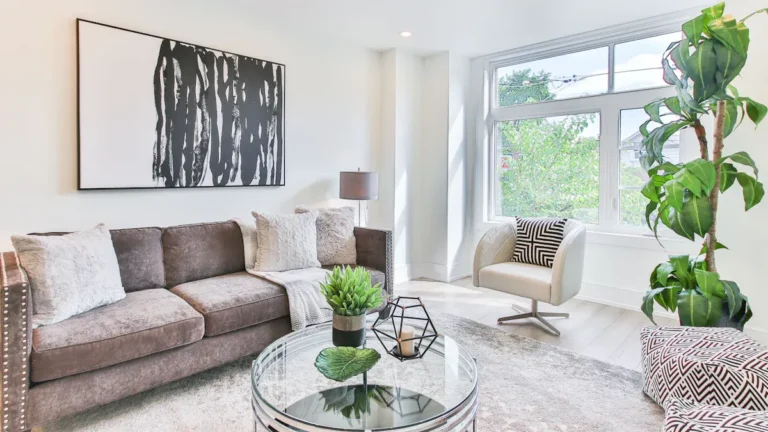
A stylish home on a budget starts with smart choices, not a big wallet. Pick a simple look, reuse it in each room, and keep spending under control from the start. Save money on decor, shop secondhand for character, and spend more on items used every day. Small updates can change the whole feel of a space fast.
Choose a Budget-Friendly Style Direction
Before you buy a single pillow or paint sample, choose a clear style direction that fits both your taste and your budget. Once you know your style personality, shopping gets easier, faster, and far less stressful.
You stop chasing every trend and start building a home that feels like you.
Start with saving design inspiration from rooms you love. Notice repeated colors, shapes, woods, and fabrics. Perhaps you lean cozy and natural with linen, baskets, and plants.
Perhaps you prefer vintage charm with brass, mirrors, and framed art. Then match that look to affordable sources and simple updates, like paint, thrifted finds, or spray-painted accents.
This step keeps your rooms connected, so everything belongs together. That sense of harmony helps your home feel welcoming, personal, and truly yours every single day.
Set a Decorating Budget You’ll Keep
Before you shop, set a clear spending limit so your room plan feels exciting, not stressful.
Then track every decor expense, because small buys add up fast and can quietly push you over budget.
Whenever you know where your money’s going, you can make smarter choices and save more for the pieces that matter most.
Define Your Spending Limit
Although it’s tempting to jump straight to paint colors, pillows, and thrift store finds, you’ll feel far more confident should you establish a clear decorating budget initially. That number gives you direction, keeps stress low, and helps your home come together with purpose.
Start with choosing a realistic budget cap based on what you can comfortably spend this month. Then set a spending ceiling for each part of the room, like paint, lighting, textiles, and storage. This way, you won’t feel pulled in every direction from pretty options that don’t fit your plan.
Also, consider about what matters most to your daily life. Perhaps you need a better rug, more seating, or curtains that make the room feel finished. Whenever your limit matches your priorities, your space feels thoughtful, welcoming, and truly yours.
Track Every Decor Expense
Once you’ve set your limit, the next step is keeping a close eye on every decor expense so your plan stays realistic. As you track each purchase, you stay in control and feel confident, not stressed, as your home comes together.
- Start an expense tracking spreadsheet with columns for item, store, cost, and room.
- Keep a decor receipt log in an envelope or phone folder, so nothing slips away.
- Update totals after every thrift find, paint sample, basket, or curtain panel.
- Compare spending to your priorities, so your sofa, rug, or storage pieces still fit the plan.
This habit helps you shop with intention. You’ll spot small leaks before they grow, celebrate smart choices, and stay part of the budget-savvy crowd that creates stylish spaces without feeling left out.
Decide Where to Save vs. Splurge
When you’re decorating on a budget, the smartest move is to save on pieces you can easily swap, paint, or thrift, and splurge on the items you use every single day. Consider of your investment priorities as the foundation that helps your home feel welcoming, lived in, and truly yours.
Start with splurge essentials like a supportive mattress, a durable sofa, quality rugs, and hardworking storage. These pieces carry your daily life, so they should last. Then save on accents that change with your taste, like lamps, frames, mirrors, pillows, baskets, and side tables.
Thrift stores, consignment shops, and Facebook Marketplace often have beautiful finds with character. You can paint furniture, update shades, or sew simple covers and still create a home that feels polished, personal, and full of warmth for everyone.
Prioritize Rooms That Need Impact Most
Since your budget can only stretch so far, focus initially on the rooms that affect your daily life and set the tone for your home. That means using room upon room impact planning so your money supports comfort, function, and a welcoming feel. Start with prioritizing high traffic spaces where family and friends naturally gather.
- Begin with your sitting room, because it shapes initial impressions and shared moments.
- Tackle your entryway next, so everyone feels invited the second they walk in.
- Upgrade your bedroom whether rest feels off, because you deserve a calm place to land.
- Save lower use rooms for later, as your core spaces finally feel right.
This approach helps your home feel thoughtful, connected, and truly yours without stretching every dollar too thin or chasing every trend at once.
Refresh Your Space With Paint and DIY
You can make your home feel fresh fast with paint and a few simple DIY projects that don’t cost much.
Try painting a wall, spray painting an old lamp, or turning fabric scraps into pillow covers so the room feels more like you.
Even better, whenever you repurpose pieces you already own, you save money and give your space new life without losing style.
Budget-Friendly Paint Updates
If your home feels a little tired, paint is often the fastest and cheapest way to make it feel fresh again. You don’t need a full makeover to create a space that feels warm, current, and truly yours. Start with smart choices that stretch every dollar and help your rooms feel more pulled together.
- Test accent wall colors in small areas initially, so you can choose a shade that feels welcoming.
- Try painted ceiling updates to add surprise and make basic rooms feel more finished.
- Refresh trim, doors, or cabinets when walls don’t need repainting, since these details change the whole mood.
- Use leftover paint in nearby spaces for a connected look that helps your home feel cohesive.
With a roller, patience, and a little confidence, you can create a home that feels like you belong there.
Simple DIY Decor Projects
Kick things up a notch with simple DIY decor projects that make your home feel fresh, personal, and far more expensive than it was. You don’t need big skills or a big budget to create a space that feels like you belong there.
Start with paint. A thrifted frame, a small canvas, or leftover sample pots can become DIY wall art with color, texture, and meaning.
Then add softness with handmade fabric garlands draped over a bed, shelf, or window. They bring charm without looking fussy.
Should you want more function, sew easy pillow covers from fabric scraps or build slim display shelves for books and candles.
These projects let you shape your home with your own hands, and that feeling matters. Your space starts looking warmer, more welcoming, and truly yours.
Repurpose What You Own
Sometimes the smartest decor upgrade starts with what you already own. Whenever you look at your home with fresh eyes, you’ll see pieces that still belong, they just need a little love. Painting a side table, spray painting a lamp, or changing hardware can make tired items feel current and personal.
- Start with upcycling old furniture you already trust, because solid pieces often just need paint.
- Try repurposing household items, like using baskets for storage or trays for coffee table style.
- Refresh walls, frames, or accessories with leftover paint to create a pulled-together look.
- Use fabric scraps for pillow covers, seat cushions, or simple curtain updates that feel custom.
That’s how your space starts feeling warm, creative, and truly yours without stretching your budget or your confidence.
Find Budget Decor at Thrift Stores
Why pay full price unless thrift stores can give you the same style for a fraction of the cost? You can build a home that feels warm, stylish, and truly yours without stretching your budget. Search for solid wood pieces, brass accents, framed art, and thrifted statement mirrors that make your space feel collected, not copied.
| Find | Upgrade |
|---|---|
| Mirror | Clean frame |
| Lamp | New shade |
| Art | Fresh mat |
| Basket | Style shelf |
As you browse, trust your eye and look for good bones. Consignment shops often hide vintage charm, while thrift aisles reward patience. Vintage lamp upgrades are especially easy, since a new shade can make an old base feel current. Whenever you bring home unique finds, your rooms feel personal, welcoming, and part of a style-savvy community.
Shop Your Home Before You Buy Anything
Before you spend a dollar, walk through your home with fresh eyes and look for pieces you can move, layer, or repurpose. You probably already own more style than you realize, and that’s good news as you want your space to feel warm, welcoming, and truly yours.
Start small and inventory tucked-away decor so nothing useful gets overlooked:
- Check closets, cabinets, and storage bins for baskets, books, trays, and vases.
- Reimagine existing furniture by swapping nightstands, chairs, or side tables between rooms.
- Group similar items together so they feel collected, not scattered.
- Rotate meaningful pieces into view to make your home feel personal again.
As you edit, trust your taste. You’re not starting from scratch. You’re building a home that reflects you, with care and confidence every day.
Use Lighting, Textiles, and Art for Style
Once you’ve moved around what you already own, lighting, textiles, and art can give your rooms that finished look without pushing your budget too far. You create warmth through layered lighting plans, then soften the space with curtains, pillows, and rugs that feel welcoming and lived in.
| Element | Budget move | Style effect |
|---|---|---|
| Lamps | Thrift classic bases | Cozy glow |
| Curtains | Hang higher and wider | Bigger windows |
| Pillows | Mix linen and woven covers | Added texture |
| Art | Build affordable gallery walls | Personal story |
From there, swap harsh bulbs for warm ones, add candles, and bounce light with mirrors. Next, bring in textiles through baskets, throws, and simple curtains from budget shops. Then finish with art that reflects your story, because a home feels special whenever it looks like you belong there, too.
Avoid Budget Decor That Looks Cheap
Good lighting, soft textiles, and personal art can lift a room, but the wrong budget buys can still make it feel flat and rushed. When you want your home to feel warm and welcoming, skip flimsy pieces, tiny rugs, and fake finishes that fool no one. Instead, choose items with simple shapes, solid weight, and lasting charm.
- Pick thrifted furniture with good bones instead of shiny particleboard.
- Use textural layering with linen, jute, baskets, and real plants.
- Keep proportion balance by matching rug, lamp, and art size to your room.
- Refresh what you own with paint, new shades, or updated hardware.
That shift matters because your space should feel like you belong there. Thoughtful choices, even inexpensive ones, make your home feel collected, calm, and truly yours every day.
Frequently Asked Questions
How Do I Decorate a Rental Without Losing My Security Deposit?
Decorate a rental safely with peel and stick wall art, tension rod curtains, secondhand mirrors, and storage ottomans. Potted plants, woven baskets, and soft textiles add character, comfort, and a lived in feel without putting your security deposit at risk.
What Are the Best Budget-Friendly Plants for Low-Light Rooms?
Snake plants, pothos, ZZ plants, and peace lilies are affordable picks for low light rooms. Water snake plants only when the soil is dry, and place pothos where it gets soft indirect light to keep the room fresh and full of color.
How Can I Mix Vintage Finds With Modern Furniture Successfully?
Mix vintage finds with modern furniture by linking them through color, echoing key shapes, and letting a few vintage pieces take the spotlight. Combine smooth and worn textures, and balance older and newer elements to create a space that feels layered, inviting, and personal.
Which Budget Decorating Upgrades Add the Most Resale Value?
The budget decorating upgrades that tend to boost resale value most are curb appeal improvements, neutral paint, updated light fixtures, and well placed large mirrors. Prioritize a clean entry, freshly painted walls, and practical storage so the home feels bright, cared for, and easy for buyers to picture themselves in.
How Often Should I Update Decor Without Overspending?
Refresh decor twice a year with seasonal changes, and rotate key pieces every few months. Swap pillow covers, secondhand finds, plants, and simple DIY accents to keep rooms feeling intentional and inviting without stretching your budget.