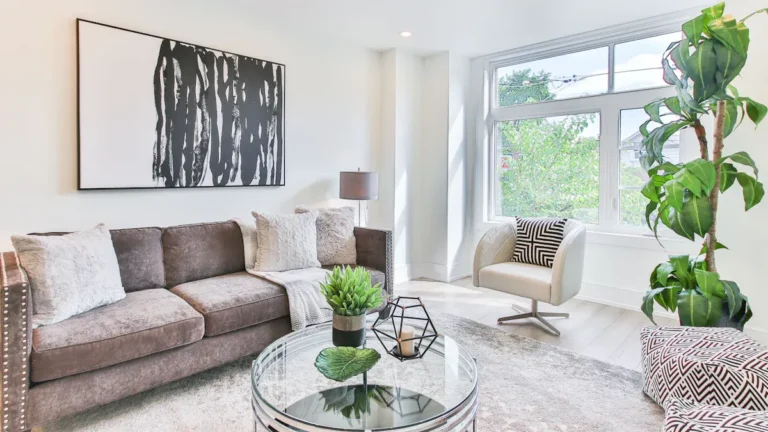
A functional, stylish home office starts with a space that fits your daily work and feels comfortable to use. Pick a quiet area with good light, enough room to move, and storage that keeps clutter out of sight. Choose a desk, chair, and layout that support focus and make long hours easier. Add simple colors and décor that look good without distracting from the work.
Decide How You’ll Use Your Home Office
Before you buy a desk or pick a paint color, decide what you’ll actually do in your home office each day.
When you name your real needs first, the space starts to feel like it belongs to you, not just the rest of the house.
Start with task mapping. List the work you do most, like writing, calls, planning, designing, filing, or teaching.
Then rank your workstyle priorities. Maybe you need quiet focus, easy tech access, room to spread out papers, or a polished setup for meetings.
This step helps you shape a space that supports your rhythm and helps you show up with confidence.
It also keeps you from buying pieces that look good but don’t serve you.
When your office fits your daily habits, you feel settled, capable, and ready to join in.
Pick the Best Spot for Your Office
Start with choosing a spot near a window, because natural light helps you feel more awake, reduces eye strain, and gives you a cleaner look on video calls. Then pay close attention to noise and privacy, since a quieter area helps you stay focused and makes your workday feel less stressful.
If your home feels busy, you can still create a calm office zone with picking a low-traffic corner and adding simple barriers like rugs, curtains, or shelves.
Natural Light Access
Because light shapes how a room feels and functions, the best place for your home office is usually near a window. You’ll feel more connected to your day, your work, and your home when sunlight reaches your desk. Good natural light can lift your mood, ease eye strain, and make the space feel open instead of boxed in.
As you choose your spot, pay attention to window orientation. East-facing windows bring gentle morning sunlight, which helps you ease into work with steady brightness. South-facing windows often give longer light through the day. Try to avoid dark corners that drain energy fast.
Whenever glare hits your screen, turn your desk sideways or add a sheer curtain. That way, you keep the glow without losing comfort, focus, or that welcoming sense of place.
Noise And Privacy
While natural light helps you feel alert, noise and privacy shape how well you can stay there and do your best work. Pick a spot away from the busiest path in your home, so you can feel settled, focused, and part of the household without every sound pulling you out.
| Spot | Why it works |
|---|---|
| Spare room | Best acoustic privacy |
| Bedroom corner | Feels calm and tucked away |
| Dining nook | Works with clear boundaries |
| Loft landing | Good provided traffic stays low |
Add a rug, soft chair, and curtains to absorb sound. A smart window treatment also helps block street noise and soften light. If you share space, face your desk away from activity and use shelves or plants as gentle dividers. That way, your office feels like it truly belongs to you.
Plan a Layout for Comfort and Workflow
You’ll work better whenever your desk sits in a spot that supports good posture, easy screen viewing, and comfortable reach.
From there, you can shape clear movement zones so you’re not twisting, stretching, or bumping into furniture during the day.
Whenever your layout fits the way you work, your office feels calmer, smoother, and much easier to use.
Ergonomic Desk Placement
Should your desk sit in the right spot, your whole workday feels easier and more natural. Place it where daylight reaches you without glare, because window oriented ergonomics helps your eyes, lifts your mood, and makes the room feel welcoming. Provided that you share your home, this choice also helps your workspace feel like it truly belongs.
Next, match your desk position to what you do most. Should you write, keep your view calm and your posture steady. Provided that you take calls, face a clean, bright background.
Set up monitor distance alignment so your screen sits about an arm’s length away and the top edge meets your eye level. Keep your chair centered with the desk, your feet flat, and your shoulders relaxed. Small placement choices help you feel settled, focused, and part of a productive daily rhythm.
Efficient Movement Zones
Map out a clear path around your desk initially, and the whole room starts to work with you instead of against you. When you plan movement first, you create a home office that feels easy to use and easy to love. Keep strong traffic flow between your chair, storage, door, and window so daily tasks feel smooth, not cramped.
Next, protect enough walkway clearance to stand, turn, and reach supplies without bumping into furniture. Measure the room, sketch it, and place your desk where light supports your work.
Then keep shelves, printers, and filing close to your main tasks. If you share the room, use rugs or decor to define zones while keeping paths open. That way, your office feels welcoming, calm, and truly part of your home and daily rhythm.
Choose a Desk That Fits Your Tasks
A well-chosen desk does more than hold your laptop. It shapes how you work, consider, and feel in your space. Match the desk to your main tasks initially, whether you write, sketch, or lead calls. In a small room, sleek writing tables or wall-mounted styles help you stay open and connected.
| Task | Desk fit |
|---|---|
| Writing | writing desk materials like wood feel warm |
| Calls | shallow desks keep backgrounds tidy |
| Design | wider tops give tools room |
| Mixed work | standing desk features add flexibility |
Next, measure carefully before you buy. A desk should support your workflow without crowding light, storage, or movement. Choose finishes that echo your home, so your office feels like it truly belongs with the rest of your life.
Choose a Chair for All-Day Comfort
Often, the chair makes the biggest difference in how you feel at the end of the day. When you choose one, consider about how your body needs to feel supported, steady, and at ease. A good chair helps you stay present in your work and feel like your space truly fits you.
Start with seat height adjustment, so your feet rest flat and your knees stay level. Then look for lumbar support options that match your lower back and encourage healthy posture. A padded seat, breathable fabric, and supportive armrests can also keep long hours from feeling draining. Should your office shares space with the rest of your home, pick a chair that blends in through soft tones, clean lines, or warm upholstery, so comfort and style feel naturally connected every day.
Set Up Lighting for Screen and Task Work
Because lighting shapes how your eyes and brain feel through the day, set your desk where you can use natural light without letting glare hit your screen. Then build ambient task layers, so your space feels welcoming and easy to use. Add a lamp that points at papers, not your eyes, and keep adjustable monitor glow slightly softer than the room.
| Need | Best choice | Why it helps |
|---|---|---|
| Screen comfort | Side window light | Cuts harsh glare |
| Reading tasks | Focused desk lamp | Sharpens details |
| Evening work | Warm overhead light | Feels calm, connected |
| Video calls | Soft front lighting | Brightens your face |
As you settle in, choose bulbs around 2700K to 3000K for warmth, then raise brightness for detail work. You’ll feel more comfortable, more focused, and more at home here.
Add Storage to Keep Your Office Tidy
To keep your office calm and easy to use, give every work item a home before clutter starts to spread. Whenever storage feels natural, you stay focused and feel more settled in your space. Choose pieces that match your routine and blend with your room, so your office feels like it truly belongs in your home.
- Use wall shelves to lift books and supplies off your desk.
- Add concealed storage in desks, benches, or cabinets for extras.
- Sort small items into labeled containers, trays, or decorative boxes.
- Keep daily tools within reach and archive less-used papers nearby.
- Pick tall bookcases or floating shelves to save floor space.
This simple system helps you find what you need fast, protect clear surfaces, and create a workspace that feels welcoming, polished, and fully yours each day.
Manage Cables and Tech Without Clutter
While a tidy shelf clears visual clutter, loose cords and scattered devices can still make your office feel busy fast. You can fix that with smart wire management that keeps your space calm and welcoming. Start with routing cords under your desk with clips, sleeves, or adhesive channels. Then group chargers, routers, and docks into discreet tech hubs, so every device has a home.
Once cords are controlled, your desktop instantly feels more open and easier to use. Choose a desk lamp with USB ports, a monitor stand with concealed storage, or a drawer for daily gear. Label cables, shorten extra length with Velcro ties, and keep only the tools you use within reach.
As your technology looks organized, your office feels like it truly fits you and your routine every single day.
Reduce Noise and Distractions in Your Office
To make your office feel calmer, you need to block sound, cut visual clutter, and handle the noise that comes with daily life at home.
You can soften echo with rugs, curtains, and acoustic panels, while keeping your desk facing away from busy areas that pull your eyes off task.
And whenever household sounds pick up, you’ll stay more focused provided you set simple boundaries, use noise-canceling tools, and give every distraction less power over your day.
Soundproof Your Workspace
Because noise can wear you down faster than a long meeting, soundproofing your workspace deserves real attention from the start. As your office feels calmer, you can settle in, focus better, and feel more at home in your routine. Start with soft layers, then build smarter sound control where noise enters most.
- Add a thick rug to absorb footfall and chair movement.
- Hang full curtains to soften echo and block street noise.
- Improve acoustic panel placement on shared walls and behind your desk.
- Use sound barrier materials like weatherstripping, door sweeps, and dense bookcases.
- Try upholstered furniture or fabric storage pieces to reduce sharp sound bounce.
These upgrades help your space feel quieter, warmer, and more supportive, so you can work with less stress and more ease every day.
Minimize Visual Interruptions
Clutter in your line of sight can pull your mind off task almost as fast as noise, so it helps to make your office visually calm from the start. When your space feels settled, you feel more at home in it, and that makes focused work easier.
Start by clearing your desktop and giving every tool a place in drawers, trays, or shelves. Next, choose clutter free backdrops for both your eyes and your video calls, especially near a window with clean light. Keep decor simple but warm, so your office still feels like part of your home.
A few plants, framed art, or soft neutral colors can create visual calm without crowding you. Should you share the room, use rugs, shelves, or art to gently mark your work zone and help everyone respect it.
Manage Household Noise
Even while your setup looks great, household noise can break your focus faster than a messy desk. To protect your workflow, treat sound control as part of the room’s design, not an afterthought. While your space feels calm, you feel more settled and connected there.
- Add a rug and thick curtains to soften echoes.
- Use white noise to cover TV sounds, traffic, or chatter.
- Place door draft blockers to reduce hallway noise.
- Try headphones for deep work or busy family hours.
- Set gentle house rules so everyone supports your work time.
These small choices work together. Soft textiles absorb sound, while boundaries lower interruptions before they start. When you share your home, a quieter office helps you feel respected, included, and ready to do your best work each day.
Use Color and Décor to Add Personality
While function comes first, color and décor are what make your home office feel like yours, and that sense of comfort can help you settle in and focus faster. Choose accent colors that support the mood you want. Soft blues and greens help you stay calm, while warm neutrals make the room feel welcoming and lived in.
Then layer in decorative accents that reflect who you’re and where you belong. Frame art that lifts your mood, add a plant for life and softness, and bring in a rug or curtains for warmth and quieter sound.
Whenever your office shares space with another room, match your décor to the rest of your home so it feels connected, not cut off. Personal pieces, like heirlooms or favorite books, can ground you through long workdays.
Upgrade Your Office on Any Budget
A home office doesn’t have to cost a fortune to feel polished, comfortable, and easy to use. You can create a space that fits your style and helps you stay focused without feeling left out of good design. Start with smart, affordable workspace upgrades that improve comfort and flow.
- Place your desk near a window for better light and a cleaner call background.
- Add wall shelves to free your desktop and keep daily tools close.
- Choose budget friendly office accents like trays, framed art, or a small plant.
- Use a rug or curtains to soften sound and make the room feel welcoming.
- Pick a sturdy chair cushion or task lamp to enhance comfort without overspending.
With a few thoughtful changes, your office can feel like it truly belongs in your home.
Frequently Asked Questions
How Often Should I Replace My Home Office Chair?
Replace your chair every 7 to 10 years, or sooner if it starts creaking and losing support. As padding flattens, adjustments stop working smoothly, or comfort drops during the workday, it is time for a chair that supports you properly.
What Temperature Is Ideal for a Productive Home Office?
Keep your home office between 68°F and 72°F for steady comfort and concentration. Place thermostat sensors away from windows and lamps to prevent false readings and help your workspace maintain an even temperature throughout the day.
Do Home Office Upgrades Increase Property Resale Value?
Yes. A well designed home office can strengthen resale appeal and increase perceived property value. Buyers tend to respond best to upgrades that feel comfortable, polished, and adaptable to different needs. Features such as good lighting, smart storage, and a practical layout can help them picture the space as useful from day one.
How Can I Make My Home Office More Eco-Friendly?
Use recycled materials, position your desk by a window, and pick long lasting storage that serves more than one purpose to cut energy use. These choices support cleaner indoor air, lower waste, and create a workspace that shows a practical commitment to environmental responsibility.
What Internet Speed Is Best for Remote Work?
For remote work, a plan with 100 to 200 Mbps download speed and 10 to 20 Mbps upload speed is a strong choice. Understanding bandwidth helps keep video meetings clear, file transfers fast, and shared work running without interruptions.