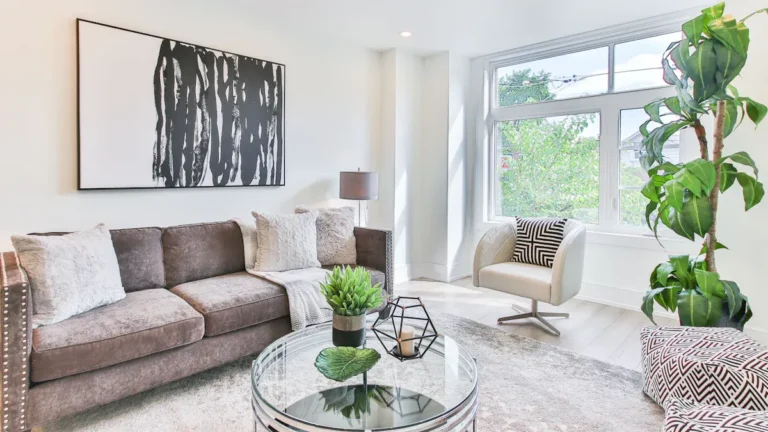
Choosing the right furniture starts with your room’s purpose, size, and everyday comfort. A good setup should fit your space, match your style, and support daily routines with ease. Smart furniture choices also consider budget, storage, durability, and foot traffic. With a little planning, your home can feel more relaxed, functional, and personal.
Define Your Decor Style
Before you shop for anything, take a moment to define your decor style, because this step makes every later choice feel easier and more natural. When you know what feels like home to you, your rooms start to reflect your story, not someone else’s catalog. Consider about whether you lean toward modern calm, rustic warmth, or classic comfort.
Then gather style inspiration boards with colors, fabrics, finishes, and rooms that spark recognition. As you save images, look for patterns. You could notice soft wood tones, clean lines, cozy textures, or bold shapes showing up again and again.
That repetition helps you shape a clear personal aesthetic vision. From there, you can choose furniture that belongs together and helps everyone who enters your home feel welcomed, connected, relaxed, and truly seen there.
Measure Your Space Before You Buy
Once you know your style, the next step is making sure each piece will actually fit your home and your life. Grab a tape measure, not just your wish list. Start with window and wall measurements so you know the true size your room can handle without feeling cramped or disconnected.
Next, do a doorway clearance check before you fall in love with a sofa, bed, or table. Measure hallways, stair turns, and entry doors too. That simple step saves stress, returns, and awkward pivot moments.
Then compare furniture dimensions to your room size, ceiling height, and daily needs. Should your space be small, choose compact or multifunctional pieces that help everyone feel comfortable and included.
Upon furniture fitting well, your home feels easier to use, more welcoming, and truly yours every day.
Plan Furniture Placement Around the Room
A smart furniture layout can make even a simple room feel calm, open, and easy to use. Once you plan placement first, your home feels more welcoming to everyone who walks in.
Start with traffic flow mapping so people can move easily without bumping into corners or squeezing past chairs. Next, use focal point alignment to guide attention toward a fireplace, window, or main seating area.
- Keep walkways clear and comfortable
- Face key pieces toward the room’s main feature
- Leave enough space between seats and tables
- Balance large items with open areas
This approach helps your room feel connected, not crowded. You’ll also create a setting where family and friends naturally gather, talk, and relax.
Even small changes, like shifting a sofa or angling a chair, can help your space feel like home.
Match Furniture to Your Lifestyle
Because your home should support real life, the best furniture choices start with how you live each day. Consider about your daily routines, who shares your space, and what helps everyone feel at ease. If kids, pets, or guests shape your household activity needs, choose durable, easy-clean pieces that welcome real moments, not perfect ones.
| Lifestyle need | Furniture choice |
|---|---|
| Busy family mornings | Sturdy dining set |
| Kids and pets | Stain-resistant sofa |
| Frequent guests | Extendable table |
| Quiet evenings | Deep, cozy chair |
This approach connects your furniture to belonging. You create rooms that support laughter, rest, meals, and togetherness. As furniture fits your habits, your home feels less staged and more like a place where everyone can truly settle in, relax, and feel included every single day.
Set a Realistic Furniture Budget
Furniture that fits your lifestyle also needs to fit your wallet, or stress can sneak in prior to the room even comes together. When you set clear limits early, you create a home plan that feels welcoming, not overwhelming.
Smart budget planning helps you choose what matters most, so your space reflects your life without leaving you uneasy.
- List must-have pieces first, then separate nice-to-have items.
- Set a spending range for each room before you shop.
- Use cost comparison across stores, outlets, and online shops.
- Save part of your budget for delivery, setup, or surprise fees.
This step connects your needs to your choices. You don’t have to buy everything at once. By pacing purchases, you stay in control and build a home that feels like you, one comfortable decision at a time.
Pick Durable Furniture Materials
Once you know what you can spend, the next smart step is choosing materials that can handle real life without wearing out too soon. When your home stays busy, sturdy choices help everyone feel relaxed and welcome.
Solid wood works well for tables and wardrobes because it offers strong material longevity and a timeless feel. Plywood with a tough finish also makes daily cleanup easier, especially when kids or pets are part of your circle.
Next, consider surfaces and upholstery that support your routine. Leatherette chairs and stools bring useful scratch resistance and wipe clean fast after meals or gatherings.
Stain resistant fabrics keep sofas and accent chairs looking friendly, not fussy. If you host often, durable materials help your furniture stay dependable, so your home always feels ready for the people you love.
Choose Furniture Colors That Match Your Decor
You want your furniture colors to work with the palette you already have, so your room feels calm, connected, and easy to enjoy.
Start with neutral pieces whenever you need flexibility, then bring in bold color through one or two accents that add personality without taking over the space.
This way, you keep your decor balanced while still making it feel warm, personal, and truly yours.
Coordinate With Existing Palette
A good color plan makes every room feel calm, pulled together, and easy to enjoy. When you coordinate furniture with your current palette, your home feels welcoming and truly yours. Start by noticing the shades already in your walls, rugs, art, and curtains. Then choose furniture that supports existing décor harmony instead of competing with it. This creates a smooth look that helps everyone feel at home.
- Match large furniture pieces to the room’s main neutral tones.
- Use accent color coordination through pillows, throws, or side chairs.
- Repeat a favorite shade in two or three places for a connected feel.
- Blend wood, fabric, and metal finishes that share similar undertones.
If a piece feels close but not perfect, update it with paint or upholstery.
Small changes can help everything belong beautifully.
Balance Bold And Neutral
While bold furniture can give a room real personality, neutral pieces keep the space calm, flexible, and easy to live with. When you blend both, your home feels welcoming instead of loud or flat.
Start with neutral foundation layers like a beige sofa, soft gray rug, or warm wood table. These pieces help everything else feel connected and easy to update.
Then bring in bold accent pieces that reflect your taste and help your space feel like yours. You may choose a deep blue chair, a green ottoman, or a patterned bench.
Keep the bold colors spaced out, so the room feels balanced. If your decor already has strong art or rugs, let furniture stay quieter. This mix gives you comfort, style, and a room where everyone can settle in naturally together.
Balance Comfort With Furniture Style
You want furniture that feels good every day, not pieces that only look nice from across the room.
Choose styles that support how you live, so your sofa, chairs, and tables work hard while still fitting your design taste.
Then blend soft cushions, sturdy frames, and clean lines to create a space that looks polished and feels easy to enjoy.
Prioritize Everyday Comfort
Because comfort shapes how you live in a room every single day, it deserves the same attention as color, shape, and style. Whenever you choose furniture, consider about how your body feels after ten quiet minutes, not just the initial glance. That’s where comfort testing matters. Sit, lean back, and notice whether the cushions support you or swallow you whole.
To make your home feel welcoming and truly yours, focus on details that support daily ease:
- Look for supportive seating that helps your back and shoulders relax.
- Choose high-density foam cushions that keep their shape longer.
- Pick solid wood frames for steady, lasting strength.
- Favor easy-clean finishes that help your space stay fresh and shared with ease.
Whenever comfort comes ahead of everything else, your rooms feel easier to enjoy, gather in, and call home.
Match Style To Function
Even though a chair looks beautiful across the room, it won’t serve you well though it feels stiff, awkward, or out of place in your daily life. You want furniture that welcomes you in and helps your home feel like it truly fits your people.
That’s where style function pairing matters. Whenever you choose pieces that reflect your taste and support how you live, your rooms feel natural, useful, and inviting. A sleek dining table works best whenever it also handles family meals, homework, and guests. A refined sofa should still support long chats, movie nights, and tired evenings. This is purpose driven aesthetics in action. You’re not picking between beauty and comfort. You’re choosing furniture that helps everyone feel at ease, connected, and proud to gather in the space you’ve created together.
Blend Softness With Design
While style often catches your eye initially, comfort is what makes a piece worth residing with every day. As soon as you choose furniture, look for shapes that feel inviting and details that reflect your taste.
A room feels more welcoming as soon as soft textures meet clean lines and refined accents.
- Choose cushions with support, so your sofa feels as good as it looks.
- Mix plush fabrics with sturdy frames to create comfort that lasts for your household.
- Add curved chairs or padded benches to soften sharp layouts and help everyone relax.
- Layer throws and pillows to make each seat feel warm, personal, and easy to enjoy.
This balance helps your home feel beautiful and lived in. You don’t have to pick between comfort and style as soon as both can help everyone feel at home together.
Choose Multi-Use Furniture for Small Spaces
Whenever space feels tight, multi-use furniture helps you make every inch work harder without making your home feel crowded. You create a home that feels welcoming, useful, and easy to live in. Start with pieces that serve two jobs, so your room stays open while still supporting daily life.
For example, space saving coffee tables can hold books, trays, and concealed items while giving your seating area a clear center. Convertible storage ottomans add extra seating, tuck away blankets, and give tired feet a soft place to land. You can also choose sofa beds, nesting tables, benches with storage, and fold-down desks.
As each piece earns its place, your home feels calmer and more connected to the way you live. That balance helps everyone feel comfortable, included, and truly at home together.
Spot Common Furniture Buying Mistakes
Smart multi-use pieces can save space, but a bad purchase can still make your home feel cramped, awkward, and frustrating. You want a home that works for your people, so slow down before you buy. Many shoppers focus on looks and miss real-life fit, comfort, and upkeep. That’s where stress starts.
- Measure rooms, doorways, and stairs initially to avoid crowding and overlooking delivery access.
- Sit, lean, and test cushions so you don’t choose style over daily comfort.
- Check materials and finishes in the event that you share space with kids, pets, or frequent guests.
- Read the setup details now because ignoring assembly requirements can turn excitement into regret.
Also, watch scale and visual weight. A huge sofa can overpower a small room. Whenever furniture fits your life, your home feels welcoming and truly yours every day.
Frequently Asked Questions
How Long Should New Furniture Off-Gas Before Use?
Wait 48 to 72 hours before using new furniture, although some items may need several weeks. This helps reduce off gassing and supports healthier indoor air quality in your home.
What Furniture Warranties Are Worth Paying Attention To?
Pay close attention to warranties that cover the frame, springs, and joinery, with clear terms for frame coverage and structural defects. Strong protection in these areas can help you choose furniture that holds up to daily use.
Should I Buy Assembled Furniture or Flat-Pack Pieces?
Choose assembled furniture for years of use and sturdier construction. Pick flat pack pieces when you want simpler transport, easier moves, and quick setup. Match your furniture to how you live so your space feels comfortable and practical.
How Do Delivery and Return Policies Affect Furniture Choices?
Delivery and return policies influence furniture decisions by reducing risk and matching your timing. Reliable delivery options help you plan setup with less hassle, while a clear return window gives you time to see whether each piece works with your space, comfort, and daily routine.
When Is the Best Time of Year to Buy Furniture?
The best time to buy furniture is in late winter and late summer, when retailers often mark down older inventory to make room for new styles. Look for price drops around Presidents’ Day, Memorial Day, Labor Day, and holiday clearance events to find strong savings.