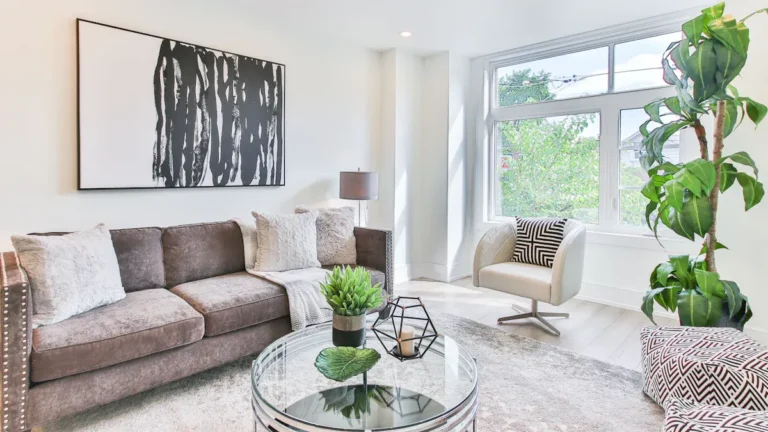
Plants freshen a home by adding color, texture, and a calm, natural feel. The best look comes from choosing plants that suit each room’s light and purpose. A few well-placed pots on shelves, tables, or in corners can shift the whole space. Finish the look with planters that fit your decor, and the room feels more polished right away.
Choose Plants for Home Decor by Room
When you choose plants for home decor by room, start by noticing how each space feels and what it needs. Your bathroom often craves softness, so bathroom plant accents can calm hard edges and make the room feel more welcoming. In shared spaces, consider connection. A lively room feels warmer with leafy plants near seating, while a bedroom suits gentle, restful foliage on a dresser or shelf.
Then move to places where people gather and linger. Your kitchen benefits from small herbs or compact greens that add life without crowding work areas. For meals and conversation, dining room centerpiece greenery brings comfort, style, and a sense of togetherness to the table. In entryways, a cheerful plant offers an easy hello, helping everyone who walks in feel at home right away, every single day.
Place Plants Where Light Works Best
You’ll get the best look from your plants whenever you match each one to the light your room actually gets.
So initially, notice how the sun moves through your space during the day, because that pattern tells you where each plant will thrive.
Whenever you place plants where light works best, your home feels brighter, calmer, and much easier to style.
Match Plants To Light
Light sets the rules for every plant in your home, so placement should always start there. Once you match each plant to the right light levels, your space feels calmer, healthier, and more pulled together. You don’t need luck. You need a simple fit between plant and spot.
Start by checking what each plant prefers, then pair it with a place that supports growth and style. Ferns, calatheas, and other plants with good shade tolerance settle beautifully in softer areas, where they still add life and warmth.
Sun lovers like succulents and cacti belong in brighter places, where they can keep their shape and color. Should a plant look stretched, pale, or unhappy, move it.
Once your plants feel at home, your rooms do too, and everything feels more welcoming.
Read Room Sun Patterns
How does sunlight actually move through your room over the day? As you notice that rhythm, your plants start to feel like they truly belong. Try sun pattern tracking for a few days. Check where morning light lands, where noon gets harsh, and where late-day glow softens. Then use shade shift mapping to spot corners, shelves, and tables that brighten or dim.
This helps you place each plant where it can settle in and thrive. Put sun lovers near bright windows, but keep delicate leaves back from strong afternoon rays. Move plants across different heights too, because light changes from floor to shelf. A tall plant can catch brightness in a corner, while a trailing plant enjoys gentler light above. As you read the room, your whole space feels calmer, greener, and more inviting.
Match Plants in Home Decor to Your Style
Your plants should feel like they belong in your space, not like an afterthought.
If you love a modern minimalist look, you can pair clean-lined pots with simple foliage, while rustic rooms feel warmer with woven baskets and natural textures.
And if your style is bold and eclectic, you can mix striking leaf shapes, layered heights, and standout planters to give your home more personality.
Modern Minimalist Plant Pairings
For a modern minimalist home, the best plant pairings feel clean, calm, and intentional.
You want greenery that looks like it belongs, not like clutter wandered in. Choose monochrome foliage, such as a deep green rubber plant beside a softer snake plant, to keep the palette quiet and connected. Sculptural pairings work especially well because strong shapes add style without adding noise.
Then build balance through height and placement. Set a tall plant in an empty corner, and place a smaller partner on a low table or shelf nearby. Use neutral ceramic pots in matching tones so your arrangement feels unified. Group plants in threes if you want a fuller look that still feels neat. Whenever each plant has space to breathe, your room feels more open, grounded, and welcoming to everyone who enters.
Rustic And Natural Choices
If minimalist styling feels sleek and quiet, rustic and natural choices feel warm and lived in. You can create that welcoming mood by pairing leafy plants with earthy containers and relaxed placement. Consider clay pots, weathered wood stools, rustic wicker accents, and baskets with natural fiber textures.
These details help your space feel grounded, familiar, and easy to love.
- Group plants in threes on shelves or tables for a balanced, collected look
- Use tall plants in empty corners and trailing ones on shelves to add gentle movement
- Choose wicker baskets or aged ceramics to echo wood, linen, and other organic finishes
As you build this style, keep plants close to everyday living areas. A fern beside the sofa or pothos on a bookcase helps your home feel shared, calm, and truly yours each day.
Bold Eclectic Greenery
While rustic styling leans soft and grounded, bold eclectic greenery lets you play with color, shape, and scale in a way that feels lively and deeply personal. You can mix striped calatheas, glossy rubber plants, and trailing pothos to create mixed texture contrast that feels collected, not chaotic.
To keep the look welcoming, group plants in odd numbers and vary their heights across shelves, tables, and corners. Then add unexpected sculptural pairings, like a cactus beside a feathery fern or a tall bird of paradise near a round pilea. Use pots in one color family so your mix still feels connected.
Should a room feel plain, hang one plant high and place another on the floor to pull the eye around. That layered rhythm helps your space feel expressive, warm, and beautifully yours every day.
Style Shelves and Tables With Plants
Because shelves and tables sit right in your line of sight, they’re perfect spots to style plants in a way that feels fresh, warm, and pulled together. Start with plant vignette styling by grouping three plants or pairing one plant with books and shelf decor accents. This helps your space feel welcoming, not random.
Then, vary height and texture so everything feels connected. Set a trailing plant on a shelf edge, place a compact plant on a stack of books, and use a ceramic pot that matches your room’s style. On coffee tables or consoles, cluster pieces instead of spreading them out, so you create a cozy focal point everyone can enjoy.
- Group plants in odd numbers
- Mix pots with books, candles, or small objects
- Repeat colors or materials for a calm, lived-in look
Fill Empty Corners With Floor Plants
When a room has an awkward empty corner, a floor plant can turn that forgotten spot into one of the prettiest parts of your home. You instantly make the space feel warmer, softer, and more welcoming. Choose a tall plant to fill vertical space, or use a big leafy one to soften sharp lines and hide plugs or cords nearby.
To make your corner feel intentional, match the pot to your room’s style. A wicker basket feels relaxed, while a neutral ceramic pot looks clean and modern. These simple corner filler strategies help the plant feel like it truly belongs.
For even better awkward space solutions, place one strong plant alone or group three plants with varied heights in similar pots. That layered look adds balance, personality, and a sense that your home is lovingly lived in.
Hang Plants to Add Height and Save Space
A hanging plant can change the whole feel of a room without taking up your floor or table space. Once you lift greenery above eye level, you make your home feel taller, lighter, and more welcoming. You also create a layered look that helps every corner feel part of the same story.
- Use ceiling planters to draw your eyes upward and open the room
- Try suspended plant displays in bathrooms, reading nooks, or above shelves
- Let trailing vines soften hard lines and make the space feel lived in
This approach works especially well once you want your home to feel cozy but uncluttered. Via placing plants on the ceiling, you free up surfaces for daily life while still surrounding yourself with beauty. It’s a simple way to help your space feel connected and calm.
Choose Planters That Match Your Space
One easy way to make your plants feel at home is to choose planters that echo the style of your room. When your pots fit the space, everything feels more connected, calm, and welcoming, like it truly belongs with you.
Start with material finishes that already live in your home. Should your room feel modern, choose smooth ceramics in soft neutrals. Should it feel cozy or rustic, try wicker baskets, clay pots, or aged metal.
Then notice planter textures. Matte, woven, glossy, or hammered surfaces can repeat what you already love in your furniture and decor. For a more pulled-together look, group pots in similar colors or finishes. You can still add personality with one standout planter, especially should the rest stay simple. That way, your plants support your space instead of competing with it.
Layer Plant Sizes for Balance and Depth
Across a room, layered plant heights make your space feel settled, rich, and easy on the eyes. Whenever you mix tall floor plants, medium tabletop greens, and trailing shelf plants, you create plant scale contrast that feels natural and welcoming. Your room starts to look collected, not crowded.
To build that depth, place plants at several levels so your eye moves smoothly around the space. This also helps layered foliage silhouettes stand out against furniture and walls, giving every corner a role in the room.
- Set a tall plant in an empty corner to anchor the layout
- Add medium plants on consoles, stools, or side tables nearby
- Use trailing plants on shelves to soften hard lines
- Group plants in threes or fives for a more connected, lived-in look
Frequently Asked Questions
How Do I Hide Cords and Outlets Using Plants?
Hide cords and outlets by grouping leafy plants around them. A trio often works well to screen plugs and cables while keeping the arrangement intentional. The result is a tidier space with a polished, cohesive look.
Can I Mix Real and Faux Plants Together?
Yes, real and faux plants can work well together. Pair leaf shapes, vary height, and place faux stems where natural light is limited. Keep similar pots or a consistent color palette so the arrangement looks intentional and visually connected.
How Often Should Indoor Decor Plants Be Rotated?
Rotate indoor decor plants every one to two weeks to help stems and leaves develop evenly. Move them with the seasons as light shifts, so they stay balanced, healthy, and visually appealing in shared spaces.
What Are the Best Self-Watering Pots for Indoor Plants?
Neutral ceramic self watering pots suit many interiors, and wide opening designs work especially well for indoor trees. Look for planters with clear reservoirs, reliable wick systems, and sizes that fit each plant properly to keep your space polished and well maintained.
How Many Plants Are Too Many in One Room?
You have too many plants in one room when the space starts to feel crowded rather than comfortable, and the plants compete for attention instead of working together. Keep clusters purposeful, mix taller and smaller plants, and leave open space so the room feels calm and lived in.