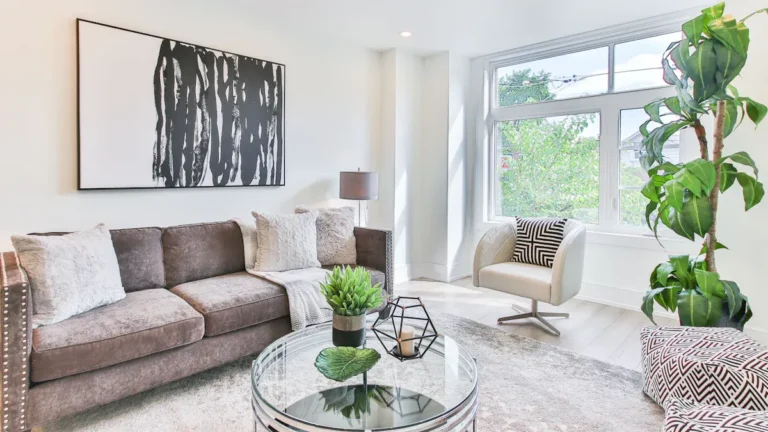
Vacuum cleaners help improve indoor air quality by removing dust, pet hair, pollen, and tiny particles from floors and carpets. Those particles often get stirred into the air with everyday foot traffic. A good vacuum traps them instead of sending them back into the room. Features like HEPA filters and sealed systems help keep the air cleaner with every pass.
Where Indoor Air Pollution Builds Up
In everyday places you barely notice, indoor air pollution tends to build up where dust, pet dander, pollen, and tiny debris settle and stay trapped. You see it in carpets, rugs, couch cushions, and along baseboards where your family gathers and relaxes. It also collects in curtains, mattresses, closets, and under furniture, creating concealed dust zones that quietly affect the air you share.
Then there are kitchen hotspots, where crumbs, grease, and fine particles cling to floors, corners, and vents. Pet beds, upholstery, stairs, and entryways also hold onto debris from shoes, fur, and daily traffic.
Because these spots are part of real, lived-in homes, you’re not doing anything wrong. You’re simply navigating the places particles love most, especially in rooms where comfort, connection, and everyday life happen together.
How Vacuum Cleaners Improve Indoor Air Quality
Because so many of those concealed dust zones sit in carpet, fabric, and floor seams, the right vacuum helps you remove them before they drift back into the air you breathe. With strong suction, you lift dust, pollen, pet dander, and mold spores from the places your family shares every day. That means cleaner surfaces and fewer irritants floating around your home.
Just as significantly, good vacuums support allergen control by holding onto what they collect instead of blowing it back out. Better particle capture keeps tiny debris from resettling on rugs, couches, and hard floors.
As you vacuum often, you create a fresher space that feels safer, calmer, and more welcoming for everyone under your roof. It’s a simple habit, but it helps your home feel more like home each day.
Why HEPA Filters Matter in Vacuum Cleaners
When you want cleaner air, a HEPA filter matters because it catches the tiny particles that often cause the biggest problems. You breathe easier as your vacuum captures pollen, pet dander, dust mites, and bacteria instead of letting them linger in your shared spaces. True HEPA filters meet strict HEPA standards, so you know your home gets reliable protection.
That matters even more as allergies or asthma affect someone in your circle. Strong filter efficiency helps trap 99.97% of particles as small as 0.3 microns, including irritants you can’t see.
As you vacuum carpets, furniture, and floors, a HEPA filter helps remove allergens before they float back into the air. With regular filter replacement, your vacuum keeps working like a trusted teammate, helping everyone around you enjoy a fresher, more comfortable home together daily.
Why Sealed Vacuums Keep Dust In
A HEPA filter does its best work only as the vacuum seals that captured dust inside the machine. As you clean, you want that dust to stay put, not slip back into the room you share with family and friends. That’s where motor sealing matters. It blocks tiny gaps around the motor, so particles can’t escape while air moves through the vacuum.
Just as essential, airflow containment guides dirty air through the filter instead of letting it leak from seams or joints. You get cleaner floors and cleaner air at the same time.
A sealed vacuum also helps reduce the fine particles that can trigger sneezing, coughing, or itchy eyes. As your vacuum keeps what it picks up, your home feels fresher, safer, and more welcoming for everyone who gathers there each day.
Are Bagged or Bagless Vacuums Better for Air Quality?
While both types can clean your floors, bagged vacuums usually protect indoor air better because they lock dust, pet dander, and pollen inside a closed bag instead of exposing you to a cloud of debris during emptying. That kind of bagged containment helps you feel more confident, especially in case allergies run in your home.
Bagless models can still work well, but they demand careful bagless maintenance. Whenever you empty the bin or tap out filters, fine particles can escape back into your space. That’s frustrating whenever you’re trying to create a cleaner, healthier place for everyone you care about.
In case air quality matters most to you, a bagged vacuum with a sealed HEPA system often gives your household the safer, more comfortable choice and stronger day-to-day peace of mind in general.
Vacuuming Habits That Keep Air Cleaner
To keep your air cleaner, vacuum high-traffic areas often so dust, pollen, and pet dander don’t build up and get kicked back into the air.
You’ll get better results if you follow a regular schedule, because steady cleaning removes particles before they spread through your home.
Just as crucial, empty and clean your vacuum the right way so it keeps trapping debris instead of sending it back into the room.
Vacuum High-Traffic Areas
Because high-traffic areas collect the most dust, pollen, pet dander, and tracked-in dirt, you should vacuum them more often than the rest of your home.
Entryways, hallways, lounge paths, and favorite pet spots need extra attention because every step presses particles deeper into fibers and sends some back into the air your family shares.
To make your space feel fresher and more welcoming, slow down over busy paths and overlap each pass. Focus on carpet edge cleaning, where debris hides along baseboards and corners. Give rugs near doors a thorough pass, and don’t skip stair landing vacuuming, since landings catch dirt from every level.
If you have kids or pets, target the places where they gather most. When you clean these zones well, you help everyone breathe easier and feel more at home.
Follow A Regular Schedule
Ideally, you should vacuum on a steady schedule so dust, pollen, pet dander, and mold spores don’t get the chance to build up and drift back into the air. Once you keep consistent vacuuming frequency, your home feels fresher, calmer, and more welcoming for everyone who gathers there. Seasonal cleaning also helps you stay ahead of extra debris during pollen-heavy springs, muddy falls, and cozy winters indoors.
| Once you vacuum | How your home feels |
|---|---|
| Once a week | Calm and cared for |
| Twice weekly with pets | Easier to breathe together |
| After busy weekends | More relaxed and settled |
| During seasonal cleaning | Ready for changing weather |
| On a regular routine | Like a place you belong |
That rhythm creates comfort, supports cleaner air, and helps your whole space feel like home.
Empty And Clean Properly
Once you’ve built a steady vacuuming routine, the next step is just as essential: empty and clean your vacuum the right way so it doesn’t send dust back into your home. That habit protects the clean space you work hard to create for everyone you care about.
Start dust disposal outdoors when possible, or over a sealed trash bag. Empty the bin often so packed debris doesn’t blow back through the machine. Next, stay on top of filter hygiene. Wash or replace filters as the maker suggests, and let them dry fully before use.
Wipe the canister, brush roll, and hose to clear trapped dirt, hair, and pet dander. Provided your vacuum uses a sealed HEPA system, check seals and bags too. These small steps help your vacuum stay part of your clean-home team.
How to Choose a Vacuum for Better Indoor Air
A few smart features can make a big difference as you choose a vacuum for better indoor air. You want a model that helps your home feel fresher and more welcoming for everyone. Start with a sealed HEPA system, because it traps tiny particles instead of blowing them back out.
- Choose true HEPA filtration for pollen, dander, and fine dust.
- Look for a sealed design that prevents particle leaks.
- Pick strong suction for carpets, rugs, and upholstery.
- Compare bagged, water, or charcoal options for odor control.
- Check vacuum motor noise and cord length ergonomics for daily comfort.
Next, consider about your routine. Should you have pets, odor control matters. Should allergies run in your home, certified low-emission models help you breathe easier and clean with more confidence every single day.
Frequently Asked Questions
Can Vacuum Cleaners Help Reduce Smoke Particles Indoors?
Yes. A sealed HEPA vacuum removes smoke residue from floors and furniture before those particles settle again. This reduces some indoor particle buildup, but ventilation and air filtration are still necessary.
Do Vacuum Cleaners Remove Mold Spores From Carpets?
A sealed HEPA vacuum can lift some mold spores from carpet fibers, making it a useful step in carpet mold removal. Regular vacuuming and routine filter cleaning help reduce spore buildup and keep the vacuum working effectively.
Are Water Filtration Vacuums Better for Allergy Sufferers?
Yes. Water filtration vacuums can be a strong option for allergy sufferers because they trap dust and allergens in water instead of recirculating them into the air. Many models also include a secondary filter for added containment. Their performance depends on regular cleaning and maintenance, but when kept in good condition, they can help reduce allergen exposure more effectively.
How Often Should Vacuum Filters Be Replaced?
Replace standard vacuum filters every 3 to 6 months and HEPA filters every 6 to 12 months. Check the filter and maintenance status each month to catch buildup early. Fresh filters help maintain strong suction and reduce dust recirculating into the air.
Can Vacuuming Help Control Pet Odors Indoors?
Yes. Regular vacuuming helps control pet odors indoors by removing pet dander, loose hair, and odor trapping debris from floors and furniture. It also improves upholstery cleaning and helps your home feel cleaner and fresher.