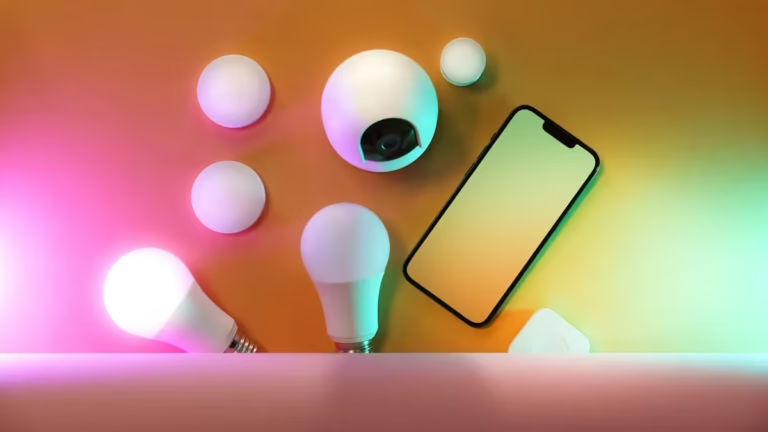
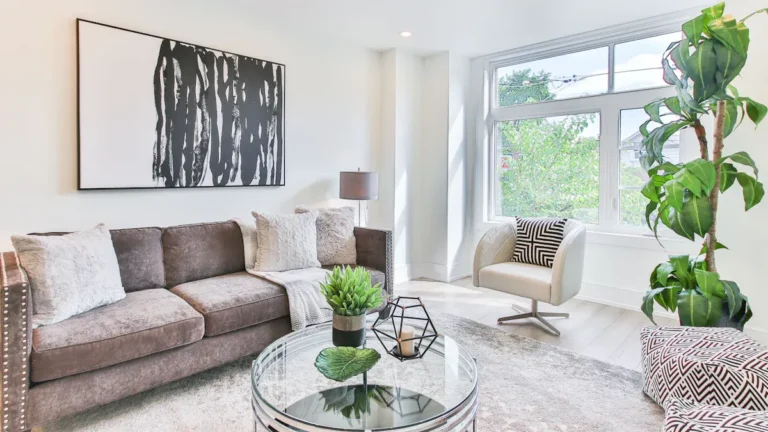
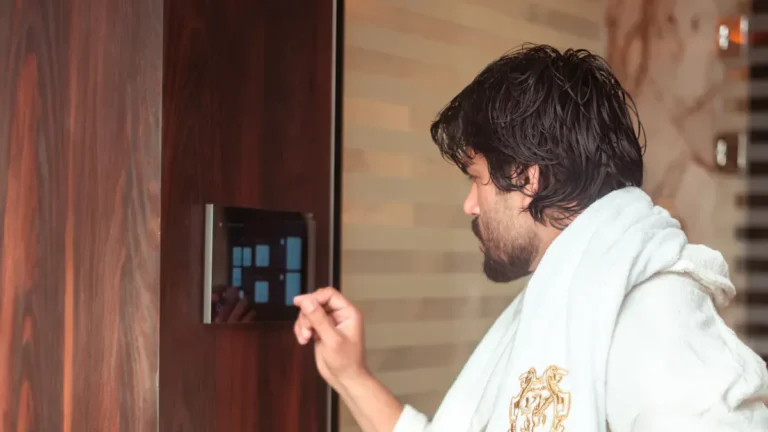
Luxury smart lighting brings intentional calm to any home with effortless control and beautiful layers of light. Start by choosing whether mood, health, convenience, or style leads your setup, then pick a platform that works with existing devices. Access scenes like morning boost, focused work, and cozy evening via apps, voice, panels, or remotes, and layer fixtures by zone so task lights and ambient glows complement each other. Look for tunable color temperature, high CRI, and the right lumens, match finishes to decor, and plan installation, updates, and security for reliable performance.
Define Goals: Mood, Health, Convenience, or Style
When you start planning smart lighting, think first about what you want the space to do for you, not just how it looks.
You’ll begin by mood mapping each room, noting moments when you need calm, focus, or celebration. Pair that with lifestyle profiling so your lighting matches routines, family habits, and social needs. You’ll choose warmth for cozy evenings, bright task light for work, and tunable scenes for wellness.
Consider convenience with timers, motion triggers, and easy scene changes so everyone feels included. Think about health with circadian shifts that support sleep and energy. As you map needs and habits together, your plan grows into layered lighting that serves mood, health, convenience, and style in one cohesive system.
Choose Your Smart Lighting Platform (Apple, Google, Amazon, Standalone)
Picking the right smart lighting platform matters because it shapes how your whole system will feel and behave every day. You want a platform that fits your home, your privacy expectations, and your desire to belong to a familiar ecosystem. Consider Ecosystem privacy when choosing between Apple, Google, Amazon, or a standalone brand. Think about Manufacturer lock‑in and whether you want freedom to mix devices or prefer seamless pairing.
- Apple HomeKit feels secure and curated for those who value privacy and design unity
- Google Assistant offers broad compatibility and easy routines for family sharing
- Amazon Alexa delivers wide device choice and deep third party integration
- Standalone hubs prioritize unique features and local control for privacy
- Hybrid setups blend convenience and independence so you stay flexible
Smart Lighting Controls: Apps, Voice, Wall Panels, Remotes
A few simple choices can make controlling your lights feel effortless and even a little fun, so it’s worth thinking through apps, voice, wall panels, and remotes together rather than as separate options.
You’ll love an app for quick access, scene scripting, and shared schedules so everyone in the home feels included. Voice control adds hands free ease, and it ties into daily routines with calm commands. Wall panels give tactile comfort and chic finishes that match your decor while offering privacy controls for bedrooms and offices. Remotes are portable and simple for guests and family members.
Think about mixing them, so one method backs up another. That way your home feels welcoming, reliable, and truly yours.
Key Technical Specs: Color Temp, CRI, Lumens, Tunability
When you pick smart lighting, understanding color temperature, CRI, lumens, and tunability makes the difference between good and great ambiance.
Start by choosing color temperatures that match each room’s mood, check CRI so colors look natural, and match lumens to the task at hand while keeping tunability for changing needs. These specs work together, so you’ll get flexible, comfortable lighting that feels intentional and luxurious.
Color Temperature Choices
How do you choose the right color temperature for each room without feeling overwhelmed? You want lighting that feels like home and reflects your taste. Think warm vs cool as emotional choices. Warm creates cozy togetherness. Cool supports focus and modern clarity. Blend them where life overlaps.
- Living room: warm tones for gathering, with accents that hint at artistic colorization
- Kitchen: cooler task areas near counters, warmer dining pockets for comfort
- Bedroom: warmer, dimmable scenes for rest, touch of cool for dressing
- Home office: neutral-cool for alertness, add warm accents for personality
- Hallways and art niches: use cooler washes plus warm spotlights to enhance texture
Use smart scenes to switch moods easily so every room feels like it belongs to you.
CRI, Lumens & Tunability
Because light affects how you feel and see, getting CRI, lumens, and tunability right will make your rooms look and feel like home. You want fixtures that show true color rendering so fabrics, art, and finishes look like they belong together. Look for CRI above 90 for luxury spaces.
Lumens tell you brightness, so match output to the task and room size. Combine layers of light and choose tunable systems that shift intensity and warmth through the day. Spectral tuning helps mimic daylight cycles and supports mood and wellness.
Use smart controls to save favorite scenes, adjust instantly, and invite friends to linger. When you pick these specs thoughtfully, your home will feel warm, natural, and undeniably yours.
Pick Fixtures and Finishes to Match Your Decor
If you want your lighting to feel like it belongs, start by matching fixtures and finishes to the room’s mood and materials so everything looks intentional and calm.
You’ll build trust in the space by using material coordination and subtle finish layering to echo wood, stone, or metal already present. Choose fixtures that nod to the room’s scale and texture, then refine with complementary finishes so nothing fights for attention.
- Pair warm brass with honey wood for cozy living areas
- Match matte black to industrial or dark accents for depth
- Use soft nickel near cool stones to keep scenes serene
- Layer glass and fabric shades to diffuse light gently
- Pick statement finish details that repeat elsewhere for cohesion
These choices help you belong to the home you love.
Plan Zones and Scenes for Effortless Daily Control
You’ll want to start by mapping functional lighting zones so each area feels right for its purpose, from cooking to reading to relaxing.
Then create intuitive daily scenes that bundle brightness, color, and fixtures into simple presets you can trigger with one tap or a voice command.
With clear zones and easy scenes in place, your home will respond to your routine and make daily life feel smoother and more personal.
Define Functional Lighting Zones
When you walk into a room that feels right, it’s usually because the lighting has been planned in zones that match how you live, work, and relax; defining functional lighting zones means mapping spaces so each activity has the right light at the right time.
You’ll think about task areas and circulation paths first. Start by identifying where you read, cook, or unwind. Then group fixtures so each zone can be controlled together for comfort and belonging. Consider layers that support daily life and welcome guests.
- Entry and circulation paths for safe, warm arrival
- Task areas like desks, sinks, and counters with focused light
- Relaxation zones with dimmable ambient layers
- Accent pockets to highlight art and texture
- Flexible multipurpose corners with tunable fixtures
Design Intuitive Daily Scenes
Because daily life moves through moments rather than a single mood, designing intuitive scenes lets your home respond without fuss or guesswork. You’ll plan zones that match routines, so mornings, work, family time, and evenings feel natural. Use sensor less transitions where desired, and craft ambient rituals like soft wake lights or focused reading scenes. You’ll name scenes simply and share them with household members so everyone belongs to the same flow. Test timing and dim levels, and tweak until it feels right.
| Scene | Purpose |
|---|---|
| Morning | Energize gently |
| Work | Focus task light |
| Family | Warm shared time |
| Dinner | Soft accent mood |
| Night | Low security glow |
Design Circadian Lighting Schedules for Better Sleep
If you want better sleep, designing a circadian lighting schedule at home is one of the simplest changes you can make, and it works with the rhythm your body already follows. You’re part of a home that cares about rest, so use melatonin friendly scheduling and seasonal adjusted lighting to feel supported night to night. Start gentle in the evening and brighten gradually in the morning.
- Wake: cool, bright tones that boost alertness and ease you into the day
- Midday: full spectrum light for focus and natural color rendering
- Evening: warm, dim scenes that cue melatonin release and calm
- Night: low, shielded paths for safety without disrupting sleep
- Seasonal: tweak timings seasonally for later sunrises and earlier dusk
These steps help you belong to your space and sleep better.
Integrate Smart Lighting With Devices and Assistants
You’ll want your smart lights to talk smoothly with your voice assistant so you can set scenes hands-free and feel more at ease at home.
Start by checking compatibility and then build device automation routines that link lights with sensors, shades, and thermostats for effortless moods throughout the day.
Also look for cross-platform integrations so your system stays flexible as you add new gadgets and never feels locked in.
Voice Assistant Compatibility
When you connect smart lighting to voice assistants, lighting becomes effortless and personal, responding to your words as naturally as a friend would. You’ll feel included as the system learns your phrasing and homes in on preferences while protecting voice privacy and handling accent recognition with patience.
Use simple commands and friendly tone to build confidence. The assistant should feel like a helpful neighbor who remembers your favorite scenes.
- Choose systems that store minimal data for voice privacy
- Test accent recognition before you commit to devices
- Assign scene names that feel familiar to your household
- Pair assistants across rooms for consistent responses
- Enable guest modes so visitors don’t change household settings
This creates atmosphere that welcomes everyone and fits your life.
Device Automation Routines
After you’ve set up voice assistants to feel like a friendly neighbor, you can weave lighting into routines that work with the devices you already use every day. You’ll build routines that blend scene sequencing with sensor choreography so lights shift naturally as you move.
Start by linking bulbs to motion sensors, thermostats, and door locks. Then create sequences that cue warm ambient light for evenings and brighter task light for mornings. Let sensors trigger pauses, fades, and color shifts so scenes feel lived in.
Use simple names and shared scenes so everyone in the home can join. Test and refine routines together. You’ll end up with lighting that greets, protects, and comforts, making your home feel more like a tuned community.
Cross-Platform Integrations
Even if your devices come from different brands, smart lighting can still work together smoothly so your home feels effortless and welcoming. You’ll love how inclusive setups let everyone feel at home. Use third party bridges to link legacy bulbs and newer hubs, and choose systems that offer Open APIs for future growth. This helps you invite friends and family into a shared, comfortable routine.
- Connect voice assistants, thermostats, and sensors for mood scenes
- Map scenes to daily rhythms with human centered cues
- Let guests trigger presets without complicated apps
- Share control while keeping privacy and limits clear
- Expand later without replacing core hardware
These choices create belonging and simple, lasting control.
Which Home Rooms Benefit Most From Smart Lighting?
Think of lighting as the quiet partner in every room, one that shapes how you feel and how spaces work.
You want entryway ambiance that welcomes guests and signals the home’s mood. Dimmed warmth or a bright cue sets tone and invites connection.
In the living room you’ll layer ambient and accent lights to support conversation, reading, and movie nights.
Bedrooms benefit from tunable lighting for winding down and waking gently.
Kitchens need focused task lights for prep and softer zones for dining together.
In a home gym you’ll use bright, cool light for energy and adjustable scenes for recovery or yoga.
Bathrooms gain clarity for grooming plus softer vanity options.
Hallways and home offices become safer and more productive with smart controls that match your life.
Installation Tips and When to Hire a Pro
If you’re ready to bring smart lighting into your home, you’ll want clear, friendly guidance so the installation goes smoothly and your space feels like you imagined.
You can handle simple swaps and app setup, but you’ll want a plan for hidden wiring and permit considerations when changing circuits or adding new fixtures. Think about room flow and where scenes will live, then map switches and hubs before you buy.
- Check compatibility with existing dimmers and smart hubs
- Decide where to hide wiring for a clean, luxury look
- Assess whether structural changes trigger permit considerations
- Test placement with temporary lamps and tape outlines
- Hire a licensed electrician for rewiring, complex ceilings, or code work
You belong to a community of thoughtful homeowners making confident choices.
Maintenance, Security, and Firmware-Update Best Practices
Because smart lighting stays useful only when it’s cared for, you’ll want a simple maintenance and security routine that fits your life and keeps your home feeling safe and effortless. Check bulbs, connectors, and fixtures regularly so your layered lighting keeps mood and function intact.
Clean lenses gently and test motion sensors on a schedule you can keep. For battery management, rotate rechargeable units and set reminders before power dips affect ambiance.
Secure your network by using strong passwords, guest networks, and limited sharing so the group you welcome stays protected. Apply firmware updates promptly to get new features and fixes but keep a plan for firmware rollback if an update causes problems.
Trust routines you enjoy and everyone in your home will benefit.
Budgeting: Cost Ranges, Upgrade Paths, and ROI
You’ve just set up routines to keep your smart lights secure and working, and now you’ll want a clear plan for what it costs to get the look and function you want without surprises. Start by mapping needs room by room, then align tastes with realistic price bands so your household feels included and confident. Think phased upgrades to spread investment and learn as you go. Focus on long term ROI by choosing energy efficient bulbs and reusable fixtures that raise home value and daily comfort.
- Entry level bulbs and hubs: budget friendly, basic scenes
- Mid tier fixtures and sensors: richer control, better finishes
- Premium fixtures and custom shades: design forward, statement pieces
- Professional installation and integration services
- Ongoing maintenance and expansion funds
Troubleshooting Common Smart Lighting Problems
When smart lights start acting up, it can feel frustrating and oddly personal, like your home is not listening to you. You want calm, not chaos, and you deserve easy fixes. Start by checking power and app updates. Then test for network latency by moving your hub closer. If bulbs flicker, try reseating them or swapping sockets to rule out bulb fusion or fixture issues. You can reset devices and reassign scenes in the app. If voice control fails, confirm account links and permissions.
| Problem | Quick fix |
|---|---|
| No response | Power cycle hub and bulbs |
| Flicker | Reseat bulb, swap socket |
| Slow scenes | Check network latency |
| Voice issues | Reauthorize voice app |
Frequently Asked Questions
Can Smart Lighting Systems Retain Settings During Extended Power Outages?
Yes. If your smart lights include battery backup and store scenes locally on the hub, your presets will remain intact and you can trigger lighting scenes from wall switches or the hub app during long outages.
How Do Smart Lighting Warranties Typically Handle Third-Party Integrations?
Manufacturers often restrict warranty coverage when you connect third-party hubs or install unofficial firmware. To keep protection intact, confirm a device is on the maker’s certified partner list, register any approved integrations with the vendor, and request written confirmation that your specific community supported controller or custom software is covered.
Are There Privacy Concerns About Data Collected by Lighting Apps?
Yes. Because 61 percent of designers rely on app controls, treat lighting apps like networked devices: pick apps that use end to end encryption, restrict each app to only the permissions it needs, enable two factor authentication when available, and register on manufacturer support forums or a privacy-focused user group to share security tips and spot suspicious behavior quickly.
Can Antique or Legacy Fixtures Be Retrofitted With Smart Controls Discreetly?
Absolutely. Preserve the original charm while adding smart functionality by installing in-line dimmer modules behind the fixture or at the switch, swapping the bulb for a wireless smart LED that fits the vintage socket, or replacing the socket’s innards with a Bluetooth or Zigbee adapter designed for antiques. These options let you control lights from an app, set schedules, or use voice assistants without altering visible details, and a professional electrician can tuck wiring and adapters out of sight for a seamless, period-accurate look.
What Resale Value Impact Do Integrated Smart Lighting Systems Have?
Smart lighting can raise buyer interest and offers, often earning higher appraisals and faster sales when the system is professionally integrated, compatible with popular smart home platforms, and easily user-configurable.