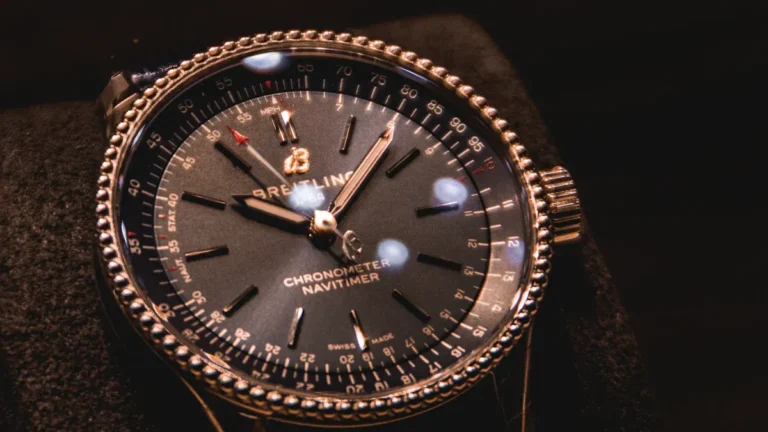
Heritage adds measurable value to luxury brands by signaling proven craftsmanship and authentic provenance. A century-old watchmaker whose handmade movements live in royal collections shows how history builds trust and emotional connection. Those connections allow brands to command premium prices, cultivate loyal communities, and stay relevant by blending preservation with thoughtful updates. Read on for concrete ways brands activate heritage across products, storytelling, and customer experience.
How Heritage Creates Luxury Value : Short Answer
At the moment you feel a brand’s long story, you also feel safer regarding spending more, and that’s the heart of how heritage creates luxury value.
You notice emotional connection growing as stories link you to founders, places, and rituals. That bond makes you proud to belong and nudges you toward purchases that signal shared values.
Heritage builds brand prestige through showing consistency, trusted history, and social recognition. You trust a label that feels steady, so you stay loyal and invite others in. The past becomes a promise of quality and shared identity.
As you engage with heritage, you get comfort, status, and a sense of community, and that trust turns into real willingness to invest in the brand.
How Craftsmanship And Provenance Prove Heritage
You can see heritage whenever products are made with time-honored techniques that only expert hands can perform.
Whenever materials come with verified origins and master artisans sign their work, you feel the brand’s story and trust its authenticity. That proof of craft and provenance connects you emotionally to the item and makes its luxury feel earned.
Time-Honored Techniques
Craftsmanship matters because it turns history into something you can touch and trust. You feel belonging whenever makers pass down traditional skills that shape each piece. You notice artisanal methods in steady hands, small imperfections that prove care, and stitches that tell a maker story. These techniques tie you to a place and a lineage, so you trust quality and feel honor in ownership.
As you learn about time-honored tools and rituals, you sense continuity across generations, which comforts and connects you. At the time brands show their workshops and apprentices, you see heritage lived, not just told. That vital practice strengthens your bond, invites you into a circle of connoisseurs, and makes luxury feel soulful and sustained.
Verified Material Origins
How do you know a luxury piece really comes from where the brand says it does? You look for proven links between craft and place.
Whenever brands provide material traceability, you can follow a product from source to shop. Labels, digital records, and origin certification tell a clear story. You feel reassured as suppliers, farms, and tanneries appear in the chain. That sense of belonging grows once you know artisans and regions are respected.
You trust a brand that shows custody of materials and honest sourcing. You also connect emotionally whenever provenance ties to culture and community. These facts make heritage tangible. They let you wear history with confidence and share in an enduring tradition that honors people and place.
Master Artisan Signatures
Signatures matter. Whenever you see a skilled artisan signature on a piece, you feel included in a long story. You understand hands shaped the work, and that creates trust.
Artisan endorsements add weight because real makers vouch for technique and origin. You want to belong to that circle of care and skill, and signature authenticity proves you do.
Craftspeople sign with honor, and their marks link product to place and practice. That link enhances emotional value and reduces doubt about quality.
You value understanding who made it, where it came from, and why it matters. Those details invite you in. They connect you to tradition, and they let you carry a living piece of heritage with confidence.
Heritage Signals That Justify Premium Pricing
You notice premium prices feel fair once a brand shows a clear lineage of craftsmanship that you can trust. Those visible signals of timeless authenticity, like generational makers, signature techniques, and enduring design cues, connect emotionally and make you feel secure in paying more.
As you compare brands, these proof points work together to justify higher cost and deepen your bond with the label.
Proven Craftsmanship Lineage
Craftsmanship matters because it turns stories into real, touchable value you can feel the moment you hold a product. You recognize provenance in tiny stitches, weighted clasps, and hand-finished edges. Those details rise from craftsmanship storytelling that links maker to moment.
Once you learn a technique passed down generations, you join a circle that shares heritage symbolism and honor. You feel reassured buying something made through hands trained for decades. That reassurance lets brands command premium prices because you trust the skill and lineage. You want to belong to a legacy that honors makers and materials.
Timeless Authenticity Signals
During a brand shows the same honest marks across generations, you feel a steady reassurance that justifies paying more. You notice legacy symbolism in stitching, hallmarks, and store rituals, and you sense a lineage that welcomes you in. Those cues create emotional prestige that lifts the product beyond function.
You connect to a community that values continuity, and that connection eases doubt about price. Whenever a brand preserves visible signs of origin and craft, you trust quality and care. You want to belong to that story, so you invest in items that carry memory and meaning.
Those timeless authenticity signals tie past to present, guiding your choices and rewarding you with honor every time you wear them.
Preservation Vs. Modern Relevance In Heritage
While brands hold tight to their past, they also have to stay alive in the present so you can see both sides working together, not against each other. You want to belong to a story that feels true and fresh. Heritage adaptation and cultural integration help you feel included, as brands update craft and symbols while keeping real roots. You notice thoughtful changes that respect artisans and origins and welcome new communities.
| Preservation | Modern Relevance |
|---|---|
| Craft techniques | Digital storytelling |
| Museum spaces | Collaborations with creators |
| Archival designs | Sustainable materials |
You feel calmer whenever history is honest and playful whenever design speaks now. That blend builds trust and invites you in, letting heritage breathe and evolve with your life.
Measuring Heritage ROI: Metrics That Matter
You’ve seen how brands balance old skills with fresh relevance, and now you’ll want to know how that balance pays off in real numbers.
You’ll track consumer loyalty through repeat purchase rates, lifetime value, and referral frequency. Pair those with sentiment scores from reviews and social listening to measure emotional connection. Combine sales uplift on heritage collections with premium price margins to show direct revenue impact.
Add brand equity surveys that ask about trust, authenticity, and prestige to capture longer term value. Monitor retention after heritage campaigns and changes in acquisition cost to prove efficiency.
Use simple dashboards that link these metrics so your team feels ownership and sees how shared stories build both belonging and measurable business gains.
Concrete Tactics To Activate Heritage Today
Should you want to bring a brand’s history to life today, start with small, visible actions that build trust and spark emotion. You can use heritage storytelling in product tags, window displays, and staff scripts so every touch feels warm and true.
Pair those efforts with experiential marketing events that invite people to touch, hear, and try pieces while learning craft stories. Host workshops, archive viewings, and themed pop ups that welcome community and nurture belonging.
Train team members to share origin tales naturally and add local collaborations to show vibrant tradition. Use digital capsules that highlight artisans and durable design, and measure engagement to improve experiences.
These tactics keep heritage personal, accessible, and emotionally rich for your audience.
Frequently Asked Questions
How Does Heritage Influence Employee Recruitment and Retention?
Heritage acts like a lighthouse: you’ll attract and keep talent who seek cultural alignment and shared purpose, they’ll develop brand loyalty, feel belonging, adopt traditions, and stay committed, enhancing retention, morale, and long-term engagement.
Can Heritage Be Fabricated Without Legal Risk?
Yes — you can fabricate heritage, but you’ll face myth creation and authenticity challenges; you’ll risk reputational harm, legal claims should you misrepresent origin, and alienate community-minded consumers who value genuine belonging and trust.
Do Emerging Brands Benefit From Invented Heritage?
Yes — you can benefit from invented heritage provided you craft a believable brand legacy and authentic cultural storytelling; you’ll cultivate belonging, emotional connection, and prestige, but you must stay sincere to avoid backlash and preserve trust.
How Does Heritage Affect Sustainability Claims and Greenwashing Perceptions?
You’ll find authentic storytelling grounded in real heritage strengthens sustainability claims and shields reputation impact, while fabricated pasts invite greenwashing accusations, alienating community-minded consumers who seek belonging, trust, and ethical consistency from luxury brands.
Can Digital-Only Luxury Brands Build Credible Heritage?
Yes — you can build credible heritage through showcasing digital craftsmanship and virtual provenance, so you’ll feel belonging through consistent storytelling, transparent origins, community rituals, collaborations with artisans, and long-term commitments that prove authenticity over time.