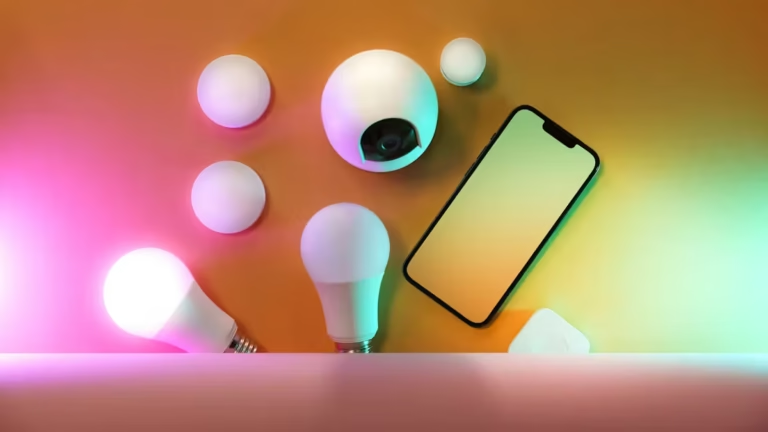
Smart home devices can boost comfort and safety for seniors while keeping life simple and manageable. Motion sensors, fall detectors, voice assistants, smart displays, and wearable pendants reduce worry and make daily tasks easier. These tools can remind about medications, enable hands-free calls to family, lock doors remotely, and alert caregivers quickly if something seems off. Choose easy controls, clear setup, and device connections that send alerts to family and escalate as needed, while keeping privacy settings strict.
Top Smart-Home Benefits Seniors Need: Safety, Daily Tasks, Social Connection
Because staying safe and feeling connected matter more as we get older, smart home tech can make daily life easier and calmer for you and loved ones.
You’ll feel safer with motion sensors, smart doorbells, and fall detection that watch for risks without being intrusive.
You’ll manage daily tasks with reminders, smart dispensers, and voice assistants that cut steps and reduce stress.
You’ll stay socially engaged through video calls, alerts about visitors, and easy sharing of moments that keep family close.
As you try new tools, small wins build tech confidence and invite more connection.
You’re not alone in this. Family members can join setups, share routines, and support independence while keeping everyone reassured and involved.
Choosing Devices for Mobility and Cognitive Needs
When you pick smart devices for mobility needs, look for large buttons, voice control, and remote access so daily tasks stay simple and safe.
For cognitive support, choose features like reminder alerts, step-by-step prompts, and automated locks that reduce confusion and prevent mistakes.
These choices work together because easier controls help mobility while clear prompts help memory, so selecting both types makes the home more secure and more comfortable.
Mobility-Friendly Controls
Choosing mobility-friendly controls is about making everyday tech feel easy, safe, and even a bit freeing for someone with limited movement or memory. You want devices that welcome you, not frustrate you.
Choose adaptive switches and large buttons so reaching, pressing, or activating things is straightforward. Pair physical controls with voice or app options so you have choices that fit your day.
- Choose adaptive switches that mount near chairs or beds for quick access
- Look for large buttons with clear labels to reduce mistakes
- Use voice commands as a backup when hands are tired or busy
- Pick apps with simple layouts and consistent icons for confidence
- Add timed or motion-triggered controls to limit effort and increase safety
These options build belonging and calm in your home.
Cognitive Support Features
If you want devices that help both mobility and memory, look for cognitive support features that feel simple and steady, not flashy or confusing.
You’ll want devices that blend movement aids with memory help, so automated lighting, fall sensors, and voice assistants work together.
Choose apps offering cognitive games to keep the mind active and wearable alerts that prompt movement when you sit too long.
Pick systems that send personalized cues for meds, appointments, and safe routines.
Look for clear screens, calm voices, and large buttons so you and your family feel included.
Test devices together, adjust reminders to your pace, and connect them to caregivers.
That way mobility and memory support join naturally in daily life.
Voice Assistants and Smart Displays for Hands-Free Help
You’ll find voice assistants and smart displays can make daily life feel safer and simpler by letting you call loved ones without lifting a phone.
They’ll also speak reminders for meds, appointments, and routines so you don’t have to keep everything in your head.
Together, hands-free calling and voice-controlled reminders work side by side to keep you connected and on track with less effort.
Hands-Free Calling
- You can say a name and the device will place the call for you.
- Smart displays show the contact and let you tap to accept or end.
- Emergency dialing shortcuts connect to numbers you choose instantly.
- Calls can be loud, clear, and adjustable for hearing needs.
- Shared contact lists keep everyone in your circle reachable.
These features link to voice assistants for smooth support and reassurance.
Voice-Controlled Reminders
Hands-free calling makes staying connected simple, and voice-controlled reminders take that ease a step further by helping you remember what matters without lifting a finger.
You can set reminders for meds, appointments, or social calls by speaking naturally, and the device will reply like a friend who cares. Use custom phrasing so prompts sound familiar, and the system will learn your style within personalization limits.
Smart displays show visuals when you want them, and voice assistants announce tasks when you need a nudge.
You’ll feel included when family members share reminders or check in remotely. These tools respect routines, reduce stress, and let you stay independent while staying close to people who matter.
Smart Speakers and Displays for Medication Reminders
Often a simple voice cue will keep meds on track and ease a lot of worry for both you and your family. You’ll find smart speakers and displays make reminders warm and human. They speak like voice pharmacists, guide dosage steps, and pair with tactile reminders such as vibrating wristbands or pillboxes. You’ll feel included when devices use your name and let family join schedules.
- Set friendly voice prompts for each medication and dose
- Link displays to visual schedules you can touch and scroll
- Sync alerts to caregivers so everyone stays informed
- Use vibration or light cues when sound isn’t ideal
- Ask questions aloud and get clear, calm answers
These tools fit your routine and help you keep control with steady support.
Smart Sensors: Spotting Falls and Unusual Activity
You’ll want sensors that send immediate fall detection alerts so help can arrive fast and you feel safer at home.
Pair those with activity pattern monitoring to spot unusual changes in movement or routines, and caregivers can be notified before small problems become big ones.
Together these systems give you quiet protection and steady peace of mind while keeping privacy and independence intact.
Fall Detection Alerts
Spotting a fall quickly can make all the difference, so smart fall detection alerts are designed to act fast and quietly when something goes wrong.
You’ll feel supported knowing radar alerts scan rooms without cameras, protecting privacy while sensing sudden movements.
Pendant integration links your wearable directly to alerts, so help arrives even if you can’t press a button.
These systems create a circle of care that includes you and those who love you.
- Instant notifications sent to your phone and chosen contacts
- Automatic emergency call options when a fall is confirmed
- Custom sensitivity settings to reduce false alarms
- Battery and connection status alerts so devices stay ready
- Friendly voice prompts that check on you and provide reassurance
Activity Pattern Monitoring
Monitoring daily activity patterns gives you a gentle, constant way to know when something is off in the home without feeling watched. You get calm, friendly tracking that learns routines and builds behavioral baselines so deviations stand out.
Smart sensors spot long inactivity, unusual room visits, or sudden motion that may mean a fall. Alerts use adaptive thresholds that match changing habits, so you aren’t pinged for normal differences.
Family and caregivers join in, getting clear notifications and context to support, not control. Devices respect privacy by using non camera sensors and simple summaries.
You can tweak sensitivity, add voices or lights for reminders, and trust the system to help keep loved ones safe and connected.
Home Safety Gadgets: Locks, Lights, Cameras, and Alarms
When you want to keep a loved one safe at home without taking away their independence, smart locks, lights, cameras, and alarms work together to create a calm, dependable safety net.
You’ll feel reassured when thermal locks prevent tampering and tactile buttons make access simple for hands that need gentle care.
Automated lighting guides nightly steps and reduces falls while smart doorbells let you greet visitors from anywhere.
Cameras offer peace of mind when used respectfully and alarms link to family or emergency services fast.
These devices join to protect and include your family, not isolate them.
- Smart locks with keypad codes and tactile buttons for easy entry
- Motion-activated lights for safer nighttime movement
- Doorbell cameras with two-way talk
- Flood and stove alarms that auto-notify
- Central hub linking alerts to family and services
Smart-Home Health Monitors: Blood Pressure, Weight, and Sleep
You’ve already set up lights, locks, and alarms to keep the home safe, so it makes sense to add health monitors that help you manage daily care from home. You’ll find wireless cuffs for blood pressure and smart scales that record weight, so you and your family stay connected to real data.
Sleep trackers monitor rest patterns without needles or fuss, helping you spot changes that matter. These devices share results with caregivers or your doctor, easing worry and building trust.
They fit into routines, so using them feels natural. If reading trends together, you all learn what helps. You belong to a circle that watches out for you, so small tech becomes a warm, reliable support.
Setup Tips and Simple Troubleshooting for Seniors
Getting devices running is often easier than it looks, and you’ll feel more confident with a few simple steps that guide the whole process. You belong in a community that helps each other, so start slow and ask for help when you want it. Focus on simple setups and the troubleshooting basics that keep devices useful and friendly.
- Unbox and place items where you’ll use them, then plug in and power on.
- Follow on-screen prompts or voice guides, and keep passwords written in one safe place.
- Test functions like lights, alerts, or reminders right away to confirm setup.
- Reboot devices or routers if something freezes, then retry the app connection.
- Keep a short notes sheet with contact numbers and step reminders for quick help.
Privacy and Security for Smart-Home Users
Now that your devices are set up and you’ve tested the basics, it’s natural to worry about who might see or control them, so let’s look at simple, practical steps that keep your home private and secure.
You’ll want strong, unique passwords and two factor authentication on accounts so only you and trusted people can access devices. Use guest networks for visitors and keep sensitive gadgets on a separate home network.
Practice data minimization by turning off features you don’t need and limiting permissions for apps. Install firmware updates promptly to fix security holes and improve performance.
Check device settings regularly, remove unused devices, and invite a trusted friend or family member to help with reviews, so you don’t have to manage it alone.
Integrating Devices for Family and Caregiver Alerts
Bringing devices together so family and caregivers get the right alerts when they’re needed most can ease a lot of worry and help seniors stay independent longer. You’ll want systems that share data smoothly, so Caregiver dashboards show activity, medication reminders, and odd patterns in one place. That way you and your circle feel connected and ready to help.
Set rules for Emergency escalation so the right person is notified first, then professionals if needed. Keep privacy simple and choices clear, so everyone trusts the setup. Here are practical integrations to consider that create belonging and calm.
- Shared smart speaker notifications for routine checks
- Medication alerts linked to family phones
- Motion sensors feeding a unified dashboard
- Automatic emergency escalation to caregivers then services
- Video door alerts routed to family devices
Budgeting Smart-Home Purchases and Subscription Trade-Offs
When you’re planning smart home tech for a senior, it’s easy to get overwhelmed by upfront costs and ongoing fees, so start by mapping needs to budget before you buy.
You want devices that add safety, like AutomatedLighting or fall detection, without stretching finances.
Compare must haves to nice to haves, then use Subscription comparisons to weigh free features versus paid plans.
DIY budgeting helps you set limits, track trial periods, and avoid surprise renewals.
Think about one hub that ties devices together to cut costs and simplify support.
Include installation and maintenance in your plan.
Ask family to share costs so everyone feels included.
Choose products with clear support and optional subscriptions you can opt into later.
Frequently Asked Questions
Can Smart-Home Devices Work During Power Outages?
Yes — if each device includes a battery backup and offers local control, core functions continue during outages: smart lights keep operating on schedules and manual switches, smart locks allow entry and generate local logs, medical alert and fall detection send alerts via built in cellular or local hubs, and thermostats maintain safe temperatures. Check battery runtime in hours, set low battery notifications, test automatic failover to local control, and consider a small uninterruptible power supply for your central hub to maximize uptime for family safety and convenience.
Do Devices Require Ongoing Subscriptions to Function?
Sometimes devices work fine out of the box, but many security cameras, smart locks, and medical alert systems require paid plans for cloud video retention, person or package detection, or verified fall response. Budget for monthly or annual fees, software updates, and battery or sensor replacements. Tip: pick brands with transparent pricing, easy cancellation, and local storage or open-API options so you are not locked into an expensive ecosystem.
How Do I Ensure Devices Are Senior-Friendly and Not Overwhelming?
Choose a tablet or phone with a high-contrast screen and at least 1 cm tactile buttons, enable voice assistants like Alexa or Siri with step-by-step voice prompts, program alerts so medication reminders repeat only three times at set intervals and silence nonessential app notifications, schedule three hands-on practice sessions covering calling, video chat, and emergency contacts, create a simple one-page cheat sheet and add a trusted family member as a device co-manager for troubleshooting, and use apps with beginner and advanced modes so you can switch to more features as confidence grows.
Can Smart Devices Be Used Without a Smartphone?
Yes. Use a voice assistant like Amazon Echo or Google Nest to control smart lights and locks, add a medication dispenser that alerts caregivers, and set up a central home hub such as Samsung SmartThings so family members can access status updates and emergency notifications without needing your phone.
Who Pays for Emergency Alerts Triggered by Devices?
Most of the time the person wearing the alert or their caregiver covers the cost. Fees may include a one time purchase for the device, a monthly monitoring subscription, or charges from emergency responders if they bill for a dispatch. Payment can be split among family members, covered by Medicare Advantage or private insurance in some cases, or reduced through local aging services and veterans assistance programs so you have options.