Turn your home into a private theater with pro-level sound and picture in just a few smart choices. Room size and layout guide speaker placement and the best display type, while different setups match movies, games, and music. Wiring, power, and neat concealment keep systems reliable and tidy. Pick OLED, mini‑LED, or a projector based on viewing habits, and choose between soundbar, receiver, or Atmos for audio goals. Simple control, clear naming, and routine care prevent headaches and keep everything running smoothly.
Quick Decision Checklist: Choose Your Smart‑Home AV
When you’re ready to pick a smart home AV system, start by asking what experience you want and what fits your room, budget, and daily habits. You’ll want to map needs to budget tiers, so you feel confident and included in choices. Think about streaming, gaming, movie nights, and parties. Choose components that match your lifestyle and that friends will admire.
Plan for future proofing by picking smart platforms that update, pair with voice assistants, and scale to more rooms. Compare wiring, wireless options, and control systems so installation feels simple. Ask installers about upgrades and compatibility. You’ll stay part of a community that shares tips, swaps ideas, and celebrates great sound and picture together.
Room Size & Layout: Prioritize Your AV
When you plan your home theater, remember that room shape matters because it changes how sound bounces and where you should put speakers.
You’ll want a clear speaker placement strategy that keeps fronts, surrounds, and height channels balanced and aimed at your main seating area.
Also follow viewing distance guidelines so your screen size and seating feel immersive without straining your eyes.
Room Shape Matters
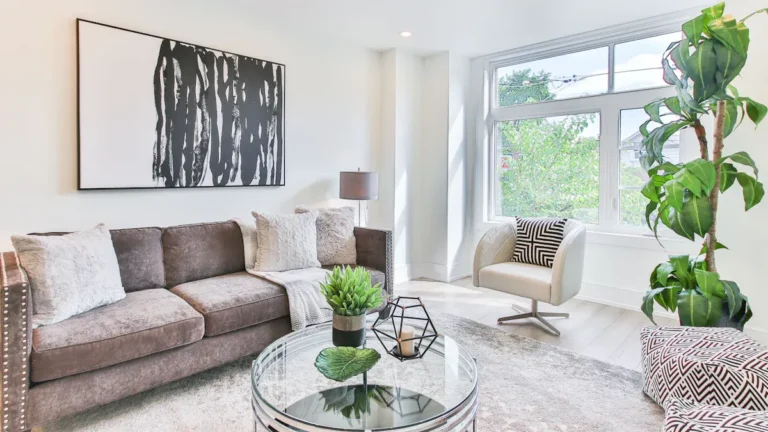
Because your room’s shape and size control how sound and picture behave, you should prioritize AV planning before you buy gear. You’ll want to learn acoustic geometry so reflections, echoes, and bass buildup don’t steal the show. Think about tall ceilings, alcoves, and odd angles as part of the system.
When you plan, include furniture placement to break sound paths and create inviting sightlines for everyone. Soft surfaces like rugs and couches help tame brightness while shelves and plants diffuse sound. You’ll feel more confident when choices match your room.
Coordinate lighting, screen size, and seating so visuals don’t overwhelm or feel distant. This way your space welcomes guests, fits your style, and supports high-end audio and video.
Speaker Placement Strategy
Picture your room as a musical map and start placing speakers with intent; you’ll get clearer dialogue, deeper bass, and a more immersive experience when each driver has a job and a spot. You want a shared space that feels welcoming and precise. Consider room size and layout so everyone in your group hears the same thing and can relax together.
Watch for ceiling reflections that blur highs and spoil clarity, and aim the height channels to minimize them.
- Place front left and right to form an equilateral triangle with your stereo sweetspot at the listener position.
- Center speaker should be close to screen height for natural dialogue.
- Surrounds go slightly behind and above seating for ambient cues.
- Subwoofer location is flexible; move it to reduce boominess and unify bass for the group.
Viewing Distance Guidelines
You’ve already placed your speakers so each driver has a job and your room sounds balanced, so now think about where you sit in relation to the screen and speakers.
You want optimal seating that keeps everyone feeling included. Aim to sit at a distance that matches screen size and resolution so 4K detail fills your view without pixel hunting. Measure screen height and use a viewing distance about 1.5 to 2.5 times screen diagonal for TVs and closer for projectors with 4K.
Arrange chairs to preserve immersive angles for center and surround channels. Leave clear walkways and stagger seats for sightlines.
Adjust lighting and shades so contrast stays strong. Test and tweak positions together until the room feels right and welcoming.
Design by Use Case: Movie, Gaming, Music & Multiroom
When you plan a home entertainment space, thinking about how you’ll use it first makes everything easier and more fun. You’ll choose immersive lighting and adaptive seating for movies, while gaming needs fast response times and comfy support. Music lovers want clarity, sweet spots, and whole room sound. Multiroom ties it all together so friends and family feel welcome everywhere.
- Movie: dimmable lights, cinema seating, rich surround sound, and sound isolation.
- Gaming: low latency display, ergonomic chairs, bass management, and headset options.
- Music: stereo placement, high fidelity speakers, room treatments, and easy streaming.
- Multiroom: synced playback, zone control, speaker matching, and simple app access.
You’ll create spaces that suit moods, invite company, and work for every gathering.
Display Choices: OLED, Mini‑LED, or Projector
When you pick between OLED, Mini LED, or a projector, start by comparing picture quality so you know how each handles contrast, color accuracy, and fine detail.
Then think about brightness and ambient light in your room, because that will decide whether deep blacks or high lumen output matter more.
Finally, consider screen size and placement, since viewing distance and room layout will shape which display feels most immersive and comfortable.
Picture Quality Comparison
Picking the right display for your smart home theater can feel overwhelming, but it doesn’t have to be stressful. You want colors that pop and motion that stays smooth, and understanding bitrate impact and color gamut helps you make choices that match your tastes.
OLED gives infinite blacks and wide color gamut for intimate scenes. Mini LED boosts brightness and contrast for HDR highlights without losing deep tones. Projectors deliver big screen immersion and work well with automated lighting and blinds. You belong here, and your setup should feel like home.
- OLED: best black levels and cinematic depth.
- Mini LED: bright HDR and strong color accuracy.
- Projector: scale, cinematic feel, flexible placement.
- Consider source bitrate and color gamut for all options.
Brightness And Ambient Light
If you’re creating a home theater, knowing how brightness and ambient light interact with OLED, Mini LED, and projectors will save you time and money and help your movies feel alive. You want a space where everyone belongs, so think about room light, ambient sensors, and adaptive dimming working together to keep images vivid and comfy. OLED gives deep blacks in low light, Mini LED fights glare with high peak brightness, and projectors scale big screens for shared moments. Below is a simple visual metaphor to help you picture choices.
| Display Type | Best With |
|---|---|
| OLED | Controlled dark room |
| Mini LED | Moderate ambient light |
| Projector | Low light, big groups |
| All | Ambient sensors and adaptive dimming |
Screen Size And Placement
Because screen size and placement shape how you feel in the room, you’ll want choices that match your space, viewing habits, and budget. You’ll feel seen when the display fits your circle of family and friends, whether you pick OLED, mini LED, or a projector. Think about projector placement early, and pair it with motorized shades to control ambient contrast. You want a warm, shared room, not a technical maze.
- Choose OLED for deep blacks and cozy living room viewing with close seating.
- Choose mini LED for bright rooms and sports nights where punchy highlights matter.
- Choose a projector for true cinema scale and flexible placement.
- Test sightlines, couch distance, and mounting height with everyone who’ll watch.
Smart Home Audio: Soundbar, Receiver, or Atmos?
Decide what kind of audio system fits your life and space, because the right choice can make movies, games, and music feel much more alive. You want clarity and warmth that welcome friends and family, so think about room size, ease of setup, wireless latency, and voice integration. A soundbar is simple and social. A receiver with speakers gives depth and control. Dolby Atmos lifts sound overhead for full immersion when you crave cinema nights.
| Option | Best For |
|---|---|
| Soundbar | Small rooms, easy setup, streaming hangouts |
| Receiver | Custom setups, music lovers, expandability |
| Dolby Atmos | Immersive movie nights, layered sound |
| Multiroom | Parties, whole home listening with unity |
Talk with others, try demos, and choose what feels like home.
Compatibility: Codecs, HDR & HDMI eARC
You’ll want to check a codec support matrix to make sure your sources, receiver, and TV all speak the same audio and video languages so you don’t lose Atmos, Dolby TrueHD, or HEVC on playback.
Also look at HDR formats and HDMI eARC compatibility since mismatches can strip dynamic range or prevent lossless audio from reaching your sound system.
I’ll walk you through how to match codecs, HDR types, and eARC settings so your 4K or 8K setup gives you the full cinematic experience without the guesswork.
Codec Support Matrix
Start by thinking of a codec support matrix as your home theater’s compatibility roadmap, one that tells you which devices will play which formats, in what quality, and with what features. You want clarity and belonging when picking gear, so this matrix helps you avoid surprises. It should note compression profiles and licensing implications so you know why some devices charge more or drop certain formats. Use the matrix to match sources, receivers, and displays, and to plan upgrades that keep everyone happy.
- List codecs and profiles per device so you see gaps.
- Note container support and bitrate limits for real playback.
- Flag licensing needs and firmware update paths.
- Map HDMI ports and negotiation features for smooth handoffs.
HDR And eARC Compatibility
While you’re planning a home theater, understanding HDR and eARC compatibility can save you a lot of frustration and expense, because these two features affect picture quality, sound fidelity, and how your devices talk to each other.
You want HDR passthrough so your TV or projector shows full dynamic range from streaming devices or players. Check that sources, receiver, and display all support the same HDR formats like HDR10 or Dolby Vision. eARC handles high bitrate audio, but you should also watch for eARC latency that can cause lips to slip if devices don’t sync. Match HDMI versions, enable passthrough and lip sync in menus, and update firmware. You’ll feel confident joining a community that cares about seamless, cinematic experiences.
Smart Home AV: Network, Wi‑Fi, Ethernet & Bandwidth
Because your smart home AV depends on reliable data flow, the network becomes the backbone that decides if your 4K projector buffers or plays smoothly, if your multi-room music stays in sync, and if voice commands actually work. You want network resilience and smart bandwidth budgeting so everyone in the home feels confident and included. Start with wired Ethernet for core devices and gigabit switches. Add Wi‑Fi 6 or better for mobile and guest access. Prioritize traffic with Quality of Service and separate guest SSID. Monitor throughput and tweak channels to avoid interference.
- Use wired links for AV servers and streamers
- Place access points for full coverage
- Reserve bandwidth for video and audio
- Test latency and sync regularly
Make Control Easy: Remotes, Hubs, and Apps
Getting control right can make your whole smart home feel effortless, so think of remotes, hubs, and apps as the friendly team that keeps everything working together.
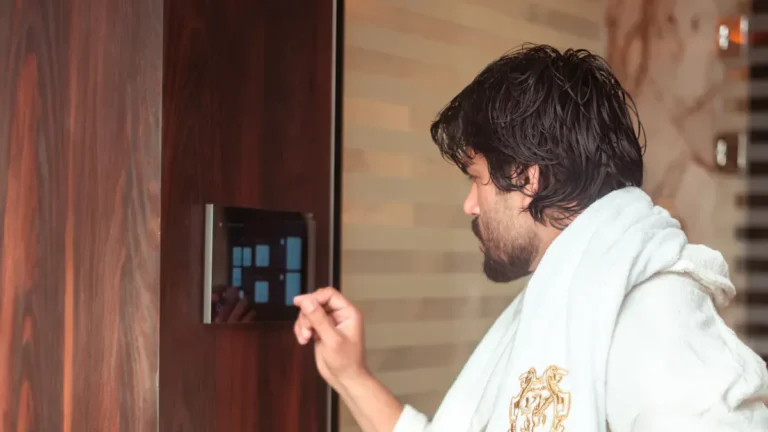
You want a universal hub that speaks to every device, ties your speakers and screens to scenes, and makes sharing settings with family simple and warm.
Pair that hub with tactile remotes for people who like buttons and touch, and add apps for phones and tablets so everyone can choose what they want.
Use clear names, shared profiles, and easy routines so guests feel welcome.
Sync voice shortcuts for quick actions and keep backups so settings never vanish.
When the team works together, your home feels familiar, reliable, and ready for together time.
Optimize Sound: Room Calibration, Placement, Treatment
Start by listening closely to your room, because small changes can make a big difference in how your system sounds. You’ll notice bass buildup, dead spots, or reflections that color music and movies. Use acoustic modeling to map problem areas and guide speaker placement. Pair that with psychoacoustic tuning so voices and effects feel natural to everyone in the room.
- Place speakers away from corners and aim toward the main listening area for balanced imaging.
- Add absorption at first reflection points and bass traps where low frequencies gather.
- Use diffusers on the rear wall to keep sound lively without harsh echoes.
- Run calibration with measurement mics and trust hearing checks to refine settings.
You’ll create a warm, shared space that invites everyone to enjoy cinema quality sound.
Wiring, Power, and Concealment for Clean Installs
You’ve already tuned your room so music and movies sound right, and now you’ll want the wiring and power behind the scenes to match that care.
You’ll feel at home when cables hide in walls, run through hidden conduits, and disappear into neat plates. Plan dedicated circuits for amplifiers, projectors, and subwoofers to avoid noise and breaker trips. Work with a licensed electrician and an AV pro so wiring meets code and you keep safety and performance.
Use labeled, color coded runs and centralized racks for easy access. Blend outlets, racks, and cable access panels into your room design so tech supports your lifestyle. This approach keeps installs clean, reliable, and welcoming for everyone who shares the space.
Final Checklist: Buying, Setup, and Maintenance Tips
Before you buy anything, take a breath and picture how you want to live with your smart home entertainment system so every choice supports that vision. You belong to a group that values great sound and warm gatherings, so pick gear that fits your life, budget, and space. Think warranty reminders now so service feels like part of being cared for. Plan seasonal maintenance for filters, projector bulbs, and speaker stands to keep joy steady.
- Inventory gear and note serials, receipts, and warranty reminders.
- Schedule seasonal maintenance and automate reminders on your hub.
- Verify power, surge protection, and concealed wiring paths.
- Test scenes, voice commands, and multiroom sync with friends.
Frequently Asked Questions
How Do I Future‑Proof AV for Emerging Streaming Codecs and Formats?
Plan for codec changeovers now: design systems with swappable encoder and decoder cards, choose appliances with firmware that supports in field updates, and pick media servers that accept plug in codec modules. Establish a scheduled migration playbook that tests new codecs in a staging rack, documents fallbacks to H.264 or HEVC, and lists vendor firmware and driver versions for each device. Join operator forums and a shared parts pool so you can source replacement cards quickly and trade tested configuration recipes.
Can Smart Theater Systems Integrate With Home Security Automation?
Absolutely. Integrate your theater with smart locks, motion sensors, and security cameras so lights dim and audio mutes when doors lock, playback pauses if motion is detected in restricted zones, and live camera feeds display on the projector or control tablet during alerts. Configure user profiles and access permissions so family members and guests trigger different scenes, receive tailored notifications, and keep the shared space secure and comfortable.
What Energy Savings Can AV Automation Realistically Deliver Year‑Over‑Year?
Expect to reduce AV energy use by about 10 to 30 percent each year by implementing specific measures: schedule lighting and displays to power down after 10 minutes of vacancy, enable automatic dimming tied to daylight sensors, put projectors and amplifiers into low power standby between meetings, and link room booking systems to occupancy sensors so unused spaces never run full systems.
Which Insurance or Warranty Considerations Cover Built‑In AV Installations?
Count on manufacturer warranties to cover defects in specific devices and on your homeowner insurance policy for damage, theft, or liability claims. Confirm whether each warranty is transferable to a new owner and get all serial numbers and purchase receipts filed with the warranty registration. Photograph the installed equipment and label hidden junctions and cable runs so future techs can service the system. Call your insurer to add the installation under your policy and ask whether you need higher limits, a scheduled personal property endorsement for high value gear, or proof of professional installation. Tap local AV trade groups and neighborhood forums for vendor recommendations, insurer experiences, and real case examples to help with claims and resale.
How Do Motorized Shades and Lighting Affect Projector Longevity?
Motorized shades reduce ambient light so the projector lamp runs at lower brightness settings longer, preserving lamp hours and improving perceived contrast. Scheduled lighting routines minimize the projector’s exposure to dust and high temperatures by turning lights and HVAC down when the room is idle, which reduces interior dust buildup on the lens and ballast stress. Together, automated shades and timed lights cut maintenance needs and extend service intervals, making the projector easier and cheaper to care for.