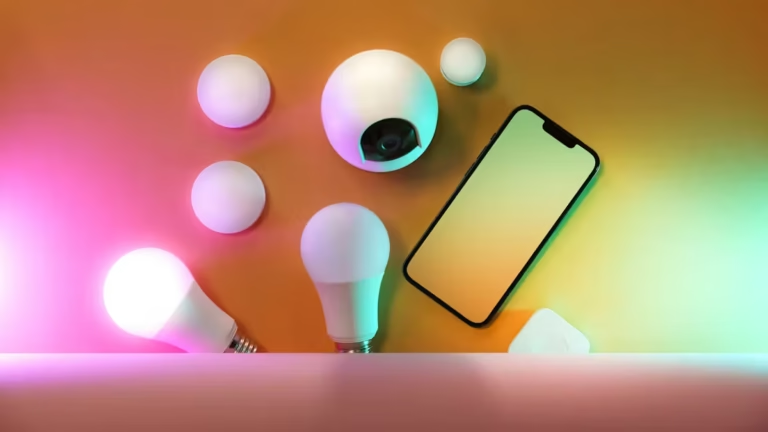
Smart sensors keep a luxury home secure by linking motion, contact, audio, and environmental inputs to cameras, locks, lights, and climate systems. They reduce false alarms through verification and automation while allowing discreet placement and encrypted data. Role-based access delivers controlled monitoring for family members and staff. The result is reliable, unobtrusive protection that blends into daily life.
How Smart Sensors Improve Luxury Home Security
When you want real peace of mind at home, smart sensors quietly do the heavy lifting so you can relax, knowing your property is being watched 24/7. You’ll feel part of a caring circle when sensors link doors, windows, cameras, and lights into one responsive system.
Predictive maintenance spots wear and tear early, so things get fixed before they fail and you don’t wake to surprises. Biometric triggers add personal access that recognizes family and trusted guests, reducing false alerts and keeping everyone included.
Alerts reach your phone with clear context, and encrypted footage lets you check details from anywhere. Sensors also safeguard against leaks and smoke, joining perimeter protection to keep your home secure and welcoming every day.
Motion, Audio, and Environmental Sensors
You’ll notice how precise motion sensors can tell the difference between a guest, a pet, and a potential intruder, so you get fewer false alarms and faster, smarter responses.
Pairing that with smart audio monitoring lets you catch unusual sounds like glass breaking or forced entry while keeping everyday noises from triggering alerts.
At the same time environmental risk sensors watch for smoke, carbon monoxide, and water leaks, giving you room-specific warnings that protect your family and your home.
Precise Motion Detection
Imagine walking through your home and knowing the security system can tell the difference between your cat sauntering across the living room and a stranger moving on the back patio. You’ll feel seen and safe when precise motion detection uses pet immunity so your pet won’t trigger alerts.
Micro‑zone sensing maps tiny areas like hallways, stair landings, and doorways, so you only get notified about real threats. These sensors learn patterns, reduce false alarms, and let you trust notifications on your phone.
They work with perimeter devices and cameras, tying motion events to footage for quick review. You’ll appreciate how tailored zones protect family routines while keeping neighbors informed when needed, blending comfort with confident control.
Smart Audio Monitoring
Precise motion sensors set the stage for smart audio monitoring by narrowing down when and where the system should listen, and that makes audio sensing far more useful and less noisy. You’ll feel cared for when sensors only wake in meaningful moments, and you’ll trust systems that respect your life and privacy.
Smart audio uses privacy preserving microphones and acoustic forensics analytics to flag breaking glass, raised voices, or suspicious footsteps without recording private conversations. It links to motion zones so alerts are timely and relevant. You’ll appreciate how it blends with other sensors and home routines.
- Event triage reduces false alarms and keeps neighbors informed
- Encrypted streams keep data safe and accessible from your phone
- Configurable sensitivity fits households with children and pets
Environmental Risk Sensing
When motion sensors, smart microphones, and environmental detectors work together, they create a quiet, always-ready shield around your home that notices trouble before it grows.
You’ll feel safe knowing motion sensors tell the system when someone moves, while smart audio picks up glass break or distress sounds.
Environmental sensors watch humidity monitoring and air quality, so you get alerts that help with mold prevention before damage starts.
These devices connect to your app, so you see real-time alerts and act fast.
They learn your household rhythm, reducing false alarms and fitting into your life.
You belong to a circle that cares for home and loved ones, and these tools protect that comfort with calm precision.
How AI Reduces False Alarms and Finds Real Threats
You’ll notice smarter motion sensors tell pets from people, so you won’t get woken up by the cat.
AI then uses context like time of day and entry points to judge whether a movement is routine or a real threat. This lets your system send fewer false alarms and more useful alerts so you can act with confidence.
Intelligent Motion Differentiation
Because unexpected movement at home can spike your heart rate, smart motion differentiation uses tested sensors and learning models to tell the difference between harmless activity and a real threat so you feel safer without constant interruptions.
You’ll notice systems tune pet thresholds so your dog or cat won’t set off alarms, offering pet immunity while still spotting unfamiliar motion. This builds trust and belonging, since your household routines are respected.
- Sensor fusion mixes infrared, radar, and camera data to reduce mistakes and sharpen alerts.
- Adaptive settings learn your home patterns so notifications match real risk and daily life.
- Zone control and schedule syncing keep sensitive areas guarded while common rooms stay relaxed.
You’ll get fewer false alarms and clearer, kinder protection.
Contextual Threat Assessment
While smart sensors keep watch, AI-powered contextual threat assessment helps make sense of what they see so you don’t get woken up by every harmless sound, shadow, or neighbor’s package drop.
You’ll feel seen and safe as contextual profiling learns patterns in your home and neighborhood. It knows delivery trucks, family routines, and pet movements so alerts are meaningful. That leads to better threat prioritization so you only act on real risks.
The system links cameras, motion detectors, and door sensors into one calm view you can check from anywhere. You’ll get fewer false alarms and faster responses when it matters. Friendly notifications explain why an alert happened, and you can adjust sensitivity to fit your life and community.
Integrating Sensors With Cameras, Automation, and Voice Assistants
Connecting sensors, cameras, automation, and voice assistants creates a living security system that feels less like tech and more like a trusted partner in your home.
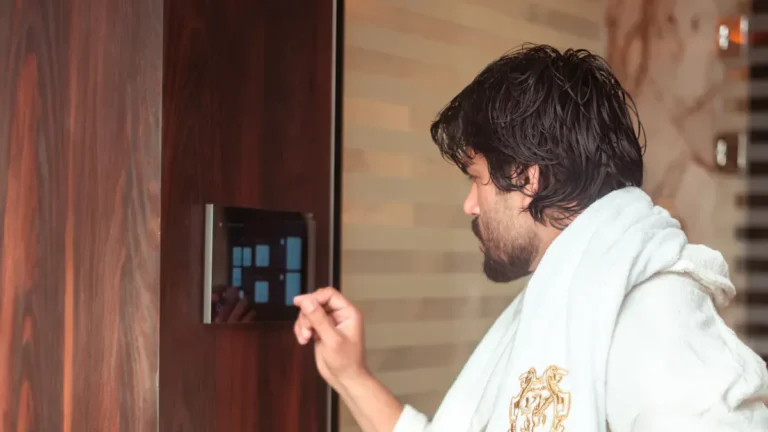
You’ll notice how voice integration lets you check cameras, arm zones, or run automated routines without lifting a finger, and that ease builds comfort.
Sensors trigger cameras to record relevant clips and send instant alerts to your phone.
Automation links these events to lights, locks, and HVAC so your space responds when needed, keeping everyone safe and included.
You’ll feel supported, not overwhelmed. Examples you might use include:
- motion sensor starts camera recording and turns on pathway lights
- door contact triggers lock and notifies family members
- water sensor pauses HVAC and alerts maintenance
Designing and Placing Invisible Sensors for Upscale Interiors
In elegant homes where every detail matters, you want security that disappears into the design so it protects without shouting. You’ll choose concealed mounting for sensors so lines stay clean and sightlines remain calm. Work with designers to hide devices behind moldings, in light fixtures, or inside furniture so the system feels like part of the room. Pick decor matching finishes for visible components so they blend with metals, woods, and fabrics. Place motion and contact sensors where they read accurately but stay out of view, and balance coverage with subtlety. Coordinate lighting, alarms, and cameras so automation supports ambience. You’ll feel secure and included when technology respects your style and privacy while doing its quiet work.
Protecting Data and Preserving Privacy in Connected Systems
Because your home system collects a lot of personal data, you’ll want clear safeguards that keep that information private and under your control. You should feel safe inviting tech into your living space, and simple practices let you keep belonging and security together. Start with strong device passwords and encrypted backups so footage and logs stay protected.
Regular permission audits help you know who can see cameras, sensors, and settings. Consider homeowners, family, and trusted staff when assigning roles.
- Use multi factor authentication for accounts and apps
- Limit cloud sharing and set local storage where possible
- Schedule permission audits and review access after guests or workers leave
These steps keep privacy personal and community focused while keeping data secure.
Costs, Maintenance, and Insurance Savings (Budgeting and ROI)
Start by knowing what you’ll actually pay, because a clear budget makes choice and peace of mind easier. You’ll weigh device prices, installation costs, and ongoing monitoring fees. Expect occasional battery swaps, firmware updates, and sensor cleaning. Those tasks keep your system reliable and protect your investment.
If your home is older, retrofitting challenges may raise labor time and costs. You and your installer can plan phased upgrades to spread expense and reduce disruption. Insurance companies often reward verified systems with premium discounts and fewer claims. Track receipts and service records to prove savings and speed claims.
You belong to a group that values safety and style. Plan realistically, maintain routinely, and you’ll see security, comfort, and financial returns grow over time.
Choosing a Smart‑Sensor Vendor and Professional Installation Checklist
You’ve already planned your budget and maintenance rhythm, so now you’ll want to pick a vendor who fits both your lifestyle and your property needs. Start vendor vetting by checking references, certified installers, and real time monitoring options that match your priorities. Ask about an installation timeline and how they minimize disruption.
- Credentials and reviews, plus proof of insurance and licensing
- System demos, integration control with lighting and locks, and maintenance plans
- Clear installation timeline, warranty details, and emergency response steps
You’ll want a team that listens, explains choices simply, and respects your home’s look. When pros map zones, they’ll place advanced sensors for perimeter protection and environmental safety.
That shared care builds trust and belonging in your household.
Frequently Asked Questions
Can Smart Sensors Integrate With Private Security Guards’ Protocols?
Absolutely. Equip guards with motion sensors that trigger specific patrol routes, integrate door and window contact sensors with guard dispatch apps for instant assignments, and feed camera analytics into a central dashboard so officers receive prioritized alerts and clear zone instructions for faster, coordinated responses.
Do Sensors Comply With Historic Preservation Regulations?
Yes. Contemporary intrusion and environmental sensors meet National Park Service and local landmark standards, fitting behind cornice moulding or inside window sashes so alarm systems protect historic houses without altering original finishes or sightlines.
How Do Sensors Affect Home Resale Disclosures?
Be transparent: list each installed sensor type such as doorbell cameras, motion detectors, window sensors, and smart thermostats on the resale disclosure form. Explain what data each device collects, where footage or logs are stored, who can access them, how long data is retained, and whether recordings stop after closing. Include steps you took to protect privacy such as disabling audio recording, encrypting accounts, or transferring ownership credentials. Provide buyers with links to manufacturer privacy policies and instructions for resetting or removing devices so they can take immediate control. This clear, practical disclosure builds buyer trust and helps neighbors feel secure.
Can Smart Sensors Operate During Prolonged Power Outages?
Yes. Smart sensors continue monitoring through extended outages by switching to rechargeable battery packs or integrated solar panels with power-management software that prioritizes essential functions. Choose models with at least 72 hours of backup, low-battery alerts, and support for remote diagnostics so you stay informed and protected until power is restored.
Are There Subscription Alternatives to Manufacturer Cloud Services?
Yes — about 46 percent of owners opt for convenience: they set up a Synology or QNAP NAS at home and run Home Assistant plus Frigate for local video and device control, or they route devices through a WireGuard VPN to access them remotely without vendor clouds. These community-backed setups give you private, subscription-free control and step-by-step guides are widely available to get you running in a weekend.