Premium choices are about more than price. They often bring comfort, style, and a sense of calm to everyday life. Better-made items can make a day feel smoother and more personal. They can also reflect identity and taste in a quiet, natural way. That is why premium spending often feels deeply meaningful.
Why People Choose Premium Lifestyles
When people choose premium lifestyles, they’re usually not just chasing luxury, they’re trying to feel better, live longer, and bring more calm into daily life. You want choices that fit your future perspective, so spending on quality food, restful sleep, and clean routines can feel smart, not flashy.
These habits often bring positive emotions, and that lift makes it easier to keep going. You also want to feel like you belong with people who care about wellness, balance, and self-respect.
In that space, premium isn’t about showing off. It’s about choosing what supports your body and mind. When your days feel steadier, you’re more likely to repeat those choices and trust yourself more.
The Psychology of Self-Reward
Sometimes, the kindest thing you can do for yourself is give yourself a reward that actually helps your life feel better. When you choose a small premium treat after a hard week, you’re not being selfish; you’re training your brain to trust your effort.
That support can lift intrinsic motivation, because you start linking care with progress, not guilt. It also makes delayed gratification easier, since you learn that waiting can lead to something calm, useful, and satisfying.
A good self-reward should fit your real needs, like better rest, a quiet coffee, or a class that helps you grow. These choices can feel like a place where you belong, because they respect who you’re and the life you’re building.
How Premium Choices Signal Identity
Premium choices don’t just feel nice, they also send a message about who you’re and what you value. When you pick items with care, you’re doing identity signaling. You show taste, priorities, and the circle you want to join.
That can ease social pressure, because your choices help others read you fast. In many settings, lifestyle branding works like a quiet badge. It can say you value quality, calm, or status without you having to explain it.
You may feel more seen when your style matches the people around you. At the same time, the signal should still feel true to you. If it does, your choices can support belonging, not just appearance, and make everyday life feel more personal and connected.
Why Quality Feels Worth the Price
Because quality affects how you feel day to day, it often seems worth the price in a very real way. You notice the smoother use, the longer life, and the calm that comes from fewer hassles. That lifts perceived value fast, because you’re not just buying an item. You’re buying ease, comfort, and emotional satisfaction that fits your routine and your circle.
- Softer fabrics feel better all day
- Strong materials save you repeat trips
- Better design makes tasks feel simple
- Small comforts build trust in your choice
- Reliable performance helps you feel at home
When something works well, you relax more and enjoy it more. That steady ease can make the cost feel fair, even smart.
The Role of Status in Premium Spending
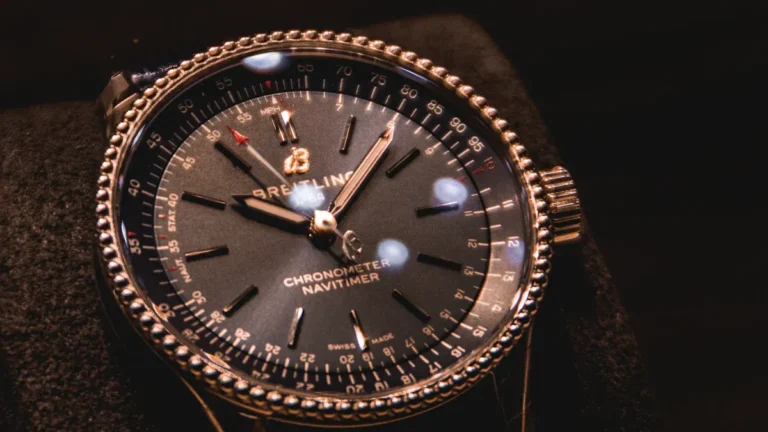
When you buy premium items, you’re often buying more than the product, because the item can signal taste, success, and confidence to other people.
You may notice that status matters most when a brand feels rare, exclusive, or hard to get. That’s why premium spending can become a way for you to show where you fit in and how you want to be seen.
Status Signaling Through Purchases
- You may choose items that feel polished.
- You may want your style to match your goals.
- You may enjoy a sense of fit in your circle.
- You may feel more confident after a smart buy.
- You may value the story your purchase tells.
When you spend with intention, the message feels personal,
not forced.
Social Prestige and Exclusivity
Status prestige can make premium spending feel bigger than the product itself, and that’s no accident. When you choose something rare, you may feel seen, valued, and quietly included. That pull is tied to social connectedness, because people often want signs that they fit the circle they admire.
Exclusivity can turn a purchase into a badge of group belonging, which feels rewarding before anyone says a word. You’re not just buying quality; you’re buying access, story, and shared meaning.
Still, the smartest premium choices don’t chase attention alone. They match your taste with the people you want near you, so the item feels personal and not forced. That balance makes status feel warm, not stiff, and a little less like showing off.
Comfort and Convenience as Luxury
Comfort and convenience can feel like luxury because they calm the body and mind in ways that busy life often steals away. When you choose soft textures, quiet spaces, and easy routines, you’re giving yourself sensory indulgence without fuss.
That ease can make you feel cared for, and it helps you belong in a calmer rhythm.
- You save energy for what matters.
- You feel less rushed and more grounded.
- You notice effortless efficiency in daily tasks.
- You enjoy comfort that lowers stress.
- You create a home that feels welcoming.
As a result, premium living isn’t only about price. It’s about how smoothly your day moves and how safe you feel in it. That simple relief can make ordinary moments feel quietly rich.
How Premium Brands Shape Desire
You don’t just notice premium brands, you start to feel what they say about you. Their status signals can make a product seem more valuable, while crafted exclusivity adds a sense that it was made for someone like you.
That mix can shape desire in a very personal way, even before you’ve decided what you need.
Status Signaling
When a premium brand catches your eye, it’s often doing more than showing a product, because it’s also sending a signal about identity, taste, and social standing.
You read that signal through your psychological motivations and your luxury perception, and you may feel pulled toward the group it seems to represent. That feeling can be comforting, because belonging matters.
- You notice the logo, then the message.
- You link the item with success.
- You imagine how others may see you.
- You use the choice to fit in.
- You feel a quiet boost in confidence.
Crafted Exclusivity
Crafted exclusivity works because premium brands know how to make desire feel personal, almost private, and that’s a powerful trick in the world of luxury. You don’t just see a product, you feel chosen by it.
Small details, limited runs, and careful stories build perceived rarity, so the item seems made for your circle. That feeling creates emotional connection fast, because you’re not buying noise, you’re buying a quiet signal of taste.
Then the brand adds service, texture, and design that make you feel known, not sold to. As a result, you start to trust the brand and picture yourself inside its world. In that space, belonging feels polished, and the longing gets stronger because it feels like yours.
Choosing Premium Products With Intention
- Pick items you’ll use often.
- Check how they feel in real life.
- Look for lasting quality, not hype.
- Compare the return on daily joy.
- Choose pieces that help you belong without trying too hard.
This way, premium choices feel personal, not performative.
And when your choices reflect you, they’re easier to enjoy, trust, and keep.
Frequently Asked Questions
How Do Premium Lifestyle Choices Affect Long-Term Mental Health?
Premium choices can lift your long-term mental health if they support sleep, activity, and connection; but status anxiety and social comparison can erode it. As they say, all that glitters isn’t gold, so choose belonging.
Do Luxury Habits Improve Life Satisfaction More Than Basic Habits?
Not usually; you’ll often get more satisfaction from basic habits like sleep, movement, and nutrition. Luxury can add short-term pleasure, status signaling, and social comparison, but it won’t reliably beat steady, healthy routines long-term.
Can Premium Routines Strengthen Self-Control and Behavioral Consistency?
Yes—when you build premium routines, you’re like a captain steadying a ship in rough water: habit formation and impulse control get easier. You’ll feel more consistent, and that consistency can help you belong.
Does Future Thinking Influence Spending on Premium Health Products?
Yes—when you think further ahead, you’re more likely to value premium health products, because time discounting feels weaker and delayed gratification matters more. You’ll see them as investments, not indulgences, and that can fit your goals.
Which Premium Behaviors Best Support Stress Reduction and Well-Being?
You’ll get the biggest stress relief from regular sleep, physical activity, and nourishing food, plus moderate wine, mindfulness, gratitude, mindful consumption, and quality indulgence—they lift well-being, lower distress, and help you feel you belong.