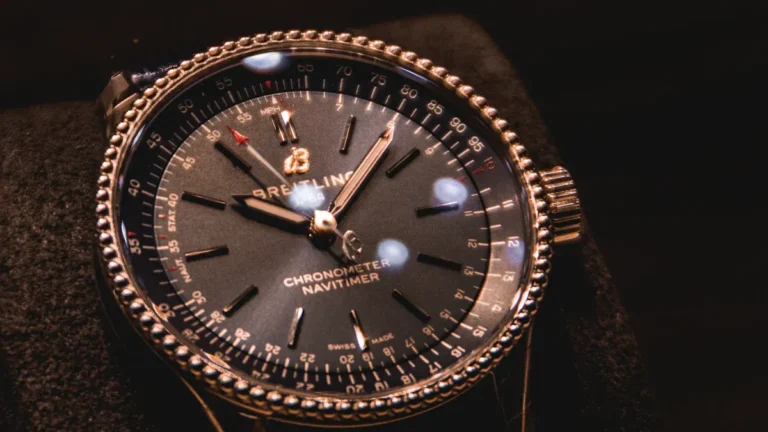
Imagine a world where ten brands control taste, price tags, and airport queues—because, in many ways, they do. You’ll see how LVMH and Kering balance heritage with scale, why Hermès and Rolex sustain scarcity premiums, and how Chanel, Cartier, Gucci, Mercedes‑Benz, and Tesla convert craftsmanship, celebrity, and tech into resilient margins and regional growth. Keep going and you’ll get the data and trends that explain their market dominance.
How We Picked These 10 Luxury Brands
Because we wanted a clear signal of both market power and future momentum, we screened brands against objective criteria—revenue and margin resilience, pricing power, desirability indicators (search and resale premiums), regional penetration, and strategic preparedness for 2026 growth drivers like sustainability and clienteling.
You’ll see we weighted founder influence and board governance for cultural continuity and risk oversight, since leadership shapes long-term premium positioning.
We measured collector behavior—resale spikes, waitlists, auction results—to gauge scarcity and emotional demand.
Market timing mattered: brands that capitalize on travel rebounds, holiday cycles, and regional reopenings scored higher.
You’ll recognize a mix of scale and craftsmanship, data-backed signals that let you join a community aligned with enduring value and strategic momentum.
LVMH : Heritage, Scale, and Diversified Luxury
Commanding the luxury landscape, LVMH leverages scale and a diversified house portfolio—Louis Vuitton, Dior, Tiffany—to convert brand desirability into consistent pricing power and margin resilience.
You see a group that marries heritage with aggressive Retail expansion, opening immersive flagships where Brand storytelling becomes measurable in repeat clients and wallet share.
Market dominance shows up in category leadership and pricing elasticity; executives expect multi-house scale to sustain 6% market growth projections.
Luxury partnerships—from celebrity collaborations to hospitality tie-ins—extend reach and cultural relevance, fueling regional growth in the US, Middle East, and Asia.
If you want to belong to luxury’s future, LVMH’s data-driven clienteling, selective distribution, and operational discipline make it the ecosystem to watch.
Kering : Creative Leadership and Sustainable Luxury
You should watch how Kering leverages standout creative directors to drive desirability across houses like Saint Laurent, where runway relevance directly correlates with quarterly sell-through and price elasticity.
You’ll also want to track Kering’s measurable sustainability moves—25.7% of executives cite R&D and traceability as priorities—and the group’s targets for reduced carbon intensity and responsible sourcing that support long-term brand equity.
Together, creative leadership and concrete sustainability metrics form a dual engine that influences market share and margin resilience.
Creative Direction Excellence
While Kering’s roster—led by Saint Laurent, Gucci alumni influence, and a pipeline of creative directors—continues to set aesthetic agendas, the group is pairing artistic leadership with measurable sustainability goals to drive both desirability and durable margins.
You’ll see how artistic directors shape collections that respect brand codes while accelerating resale and traceability metrics; design choices now map to SKU rationalization and margin uplift.
Trend data shows cohesive narratives boost conversion rates and client retention, so you’ll be invited into a shared story where narrative cohesion aligns creative risk with commercial KPIs.
Sustainable Luxury Initiatives
Although creative directors set the aesthetic tone, Kering is tying design leadership directly to measurable sustainability outcomes—so you’ll see collections that cut SKU proliferation, increase traceability, and lift margins through curated scarcity.
You’ll feel part of a community that values heritage and planet-forward progress: Kering mandates targets, links bonuses to environmental KPIs, and scales innovations across houses so impact compounds.
- Implementing circular supplychains to extend product life and recapture value.
- Investing in transparent sourcing platforms that map materials from origin to atelier.
- Reducing SKUs and rationalizing assortments to lower carbon intensity per sale.
- Sponsoring cross-brand R&D for regenerative materials and scalable recycling.
This approach turns sustainability into a competitive advantage, measurable in margin resilience, brand desirability, and long-term growth.
Chanel : Craftsmanship, Exclusivity, and Controlled Distribution
Because Chanel’s value rests as much on provenance as on design, its craftsmanship, exclusivity, and tightly controlled distribution form a deliberate ecosystem that preserves price integrity and resale premiums. You see evidence in atelier secrecy and selective showings, plus limited collaborations that amplify desirability. Data-driven tactics — strict SKU limits, boutique-first allocation, authenticated resale partnerships — keep premiums high and communities invested.
| Element | Practice | Impact |
|---|---|---|
| Craftsmanship | In-house ateliers | Quality signal, long-term value |
| Distribution | Boutique allocation | Price control, scarcity |
| Collaborations | Limited drops | Hype, social cohesion |
| Resale | Authentication programs | Trust, secondary-market strength |
You’ll feel included when Chanel curates access; it’s a strategy that sustains cultural cachet and measurable margins.
Hermès : Scarcity, Leatherwork, and Iconic Classics
You’ll notice Hermès drives value through engineered scarcity—Birkin waitlists and controlled allocations boost resale premiums and preserve brand desirability.
Its leather ateliers combine quantified skill metrics and strict material sourcing, producing pieces whose durability and finishing justify high retention rates.
Watch for sustained price appreciation and limited-release strategies as the brand leverages craftsmanship to defend margins and growth.
Hermès Birkin Rarity
Rarity underpins the Birkin’s market power: Hermès controls output, leather sourcing, and artisanal capacity so tightly that waitlists, limited-run colors, and exclusive skins drive resale premiums and brand desirability. You feel the pull: limited releases and Waiting lists turn ownership into membership, and data shows certain rare skins appreciate double-digit annually. You track trends—seasonal drops, celebrity sightings, auction results—and you know scarcity fuels perceived value. Hermès’ tight distribution and selective clienteling create community signals that bolster demand and secondary-market transparency. For you, belonging comes from access, not ostentation; market metrics confirm that controlled scarcity sustains long-term brand equity and resale resilience.
- Seasonal color drops that spike bidding
- Exclusive skins with outsized ROI
- Waitlist dynamics as status filter
- Auction benchmarks guiding buys
Masterful Leather Craftsmanship
The Birkin’s scarcity sets the stage for why Hermès’ leatherwork matters so much: when supply is constrained, craftsmanship becomes the primary value driver, and you can measure that in resale yields and waitlist velocity.
You’ll see that Hermès prioritizes hand stitched panels and vegetable tanned hides, translating artisanal inputs into measurable premiums—Birkins outperforming market averages by double-digit resale appreciation.
You’ll belong to a cohort that values traceability and atelier provenance; executives cite vertical control and selective distribution as key to preserving margin.
Trend data shows demand concentrated in the US, China, and Middle East, so your access strategy matters.
When you choose Hermès, you’re buying calibrated scarcity, rigorous leather science, and investment-grade classics crafted by named artisans.
Rolex : Precision, Scarcity, and Resale Strength
Consider how Rolex has engineered a market where precision, controlled supply and enduring resale combine to create unrivaled brand economics: its in-house movements and strict quality controls drive performance benchmarks (think Submariner accuracy and robust power reserves), while production discipline and authorized-dealer allocation sustain scarcity that keeps secondary-market premiums high, making Rolex not just a watchmaker but a durable asset class favored by collectors and investors alike.
You see precision engineering in every caliber, warranty programs that reinforce trust, and aftermarket services that protect value, so you join a community that treats ownership as both passion and investment.
Data shows robust bid/ask spreads in collector markets, signaling resilient demand and portfolio diversification opportunities.
- Consistent secondary-market premiums
- Tight authorized-dealer allocation
- Robust warranty and service networks
- Transparent provenance tracking
Cartier : Heritage Jewelry and Haute‑Jewelry Innovation
You’ll recognize Cartier by signature icons like the Love bracelet and Panthère motifs that sustain resale premiums and brand desirability across markets.
Recent haute‑jewelry launches combine archival design codes with lab‑grown diamond trials and technical gem‑setting that lift average transaction values and cater to sustainability‑minded buyers.
Watch for the brand to leverage these heritage pieces as a growth engine, expanding high‑jewelry scarcity to protect margins while tapping new collectors.
Iconic Heritage Pieces
While Cartier’s legacy dates back to 1847, its heritage pieces—like the Tank watch and iconic Love bracelet—keep dictating haute‑jewelry trends by blending provenance with measurable market strength. You’ll see how timeless silhouettes and artisanal provenance translate into durable desirability: classic forms sustain resale premiums and drive repeat clientele.
Data shows heritage icons stabilize revenue during volatile cycles, supporting boutique traffic and clienteling metrics. You’ll feel included in a narrative where ownership signals membership in a selective community, and you’ll use that insight to evaluate brand momentum and allocation decisions.
- Tank and Love as category anchors for secondary-market valuation
- Provenance-driven storytelling that boosts client retention
- Signature silhouettes enabling cross-generational appeal
- Heritage pieces lowering marketing CAC via earned authenticity
Haute‑Jewelry Innovations
Although rooted in century‑old motifs, Cartier’s haute‑jewelry innovations are driving measurable shifts in desirability and resale value by blending archival designs like the Tank and Love with technical advances in gem cutting, setting, and provenance tracking.
You’ll notice collectors prize pieces with verified chains of custody and documented gemstone treatments, which lift secondary-market prices by double digits versus undocumented lots.
Cartier’s bespoke ateliers scale limited runs while preserving artisanal scarcity, and material innovation—lightweight alloys, lab-grown diamond integration—broadens appeal without diluting heritage.
Ethical sourcing now sits alongside patina and provenance as purchase criteria, cited by executives as a top 25% priority for R&D spend.
If you seek belonging in luxury, these trends show Cartier’s craft aligns status, values, and investment logic.
Gucci : Reinvention, Celebrity Culture, and Youth Appeal
Drawing on a rapid creative reset and savvy celebrity partnerships, Gucci has rebuilt desirability among younger buyers by marrying bold streetwear cues with luxury craftsmanship and data-driven marketing.
You feel invited into a culture where Streetwear collaborations and Digital fandom convert attention into loyalty, and the brand measures engagement across cohorts to refine drops and exclusives. You see scarcity tactics paired with accessible capsule pieces, driving resale buzz and community identity.
Celebrity endorsements amplify cultural relevance while CRM and social analytics personalize outreach, boosting conversion and repeat purchase.
This strategy keeps Gucci fresh without eroding heritage, letting you participate in a collective that values creativity, inclusivity, and status-signaling authenticity.
- Limited drops timed to social metrics
- Influencer-to-celebrity pipeline
- Data-led clienteling
- Community-driven product codes
Tesla : Tech‑First Luxury Cars, Range, and Direct Sales
Because Tesla pairs software-first innovation with aspirational design, you get a luxury experience defined more by tech, range, and sales model than by traditional handcrafted opulence.
You’ll notice Tesla leads with over-the-air updates, battery efficiency metrics, and long-range figures that shift purchase rationale from badge to capability.
Data shows range and software updates drive resale and loyalty, so you benefit from continual improvement.
Direct Retailing tightens customer relationships, reduces middlemen, and creates consistent service expectations across regions.
Yet Autopilot Ethics remains central: you expect transparent safety metrics, regulatory alignment, and responsible AI deployment as part of brand trust.
Joining Tesla’s community signals shared values—innovation, sustainability, and a demand for measurable performance in luxury mobility.
Mercedes‑Benz : Traditional Luxury Meets Electrification
When you look at Mercedes‑Benz today, its legacy of handcrafted interiors and flagship S‑Class presence is being married to ambitious electrification targets and software upgrades that aim to preserve margin and desirability; by 2026 the brand plans substantial BEV rollouts while protecting dealer service revenue and premium pricing.
You’ll notice Mercedes leaning into an electrified heritage narrative, blending craftsmanship with battery tech and OTA updates to keep resale and loyalty high.
Sustainability integration appears in materials sourcing and factory decarbonization, supporting premium pricing with measurable ESG claims.
You feel part of a community that values tradition and progress.
- BEV lineup expansion with targeted margin protection
- OTA-driven feature monetization strategies
- Circular-material sourcing pilots
- Dealer network revenue preservation programs
Frequently Asked Questions
How Do Luxury Brands Set and Justify Extreme Price Increases?
You justify steep price increases by emphasizing limited availability and a curated brand narrative: present detailed craft processes, authenticated resale results, localized market expansion figures, and elevated service offerings so customers feel exclusive, assured, and integrated into a discerning, fashion-forward circle.
Do These Brands Use Real Fur or Exotic Leathers Today?
Yes. Many brands no longer use real fur but continue to use exotic leathers in select products. Recent data show companies are focusing on traceable supply chains, sourcing fewer exotic skins, and responding to consumer demand for sustainability while maintaining luxury positioning.
How Do Resale Markets Affect Original Brand Pricing Strategies?
You will monitor secondary market dynamics closely, using resale price signals to adjust new product pricing, limited release schedules, and discount frequency. Data-driven insights will strengthen customer trust and keep brand desirability aligned with changing demand.
What Are Brands Doing About Counterfeit and Gray-Market Goods?
Like a lighthouse cutting fog, you are teaming with legal counsel and rolling out authentication technology. Brands track serial numbers, coordinate enforcement actions, exchange intelligence, and create incentives for resale marketplaces. This strategy protects brand value, increases customer trust, and strengthens community engagement.
How Do Luxury Houses Approach Digital and NFT Ownership Rights?
Luxury brands grant digital ownership through NFT licenses that link blockchain identifiers to physical provenance, unlock member benefits, and enforce resale royalties. Data shows growing consumer engagement as brands use scarcity and curated communities to strengthen belonging and convert loyalty into new revenue streams.