Choosing the right shirt size for your child is very important. It helps them feel comfortable and confident. Age is a good guide for finding the right fit. But, other factors also affect youth shirt size choices. For example, cultural background can influence clothing choices. It shows identity and regional differences. Economic conditions, like income and affordability, affect what you can buy. Also, climate and weather affect what clothes keep you comfortable and protected.
Size Labels
Youth Shirt Size Ranges
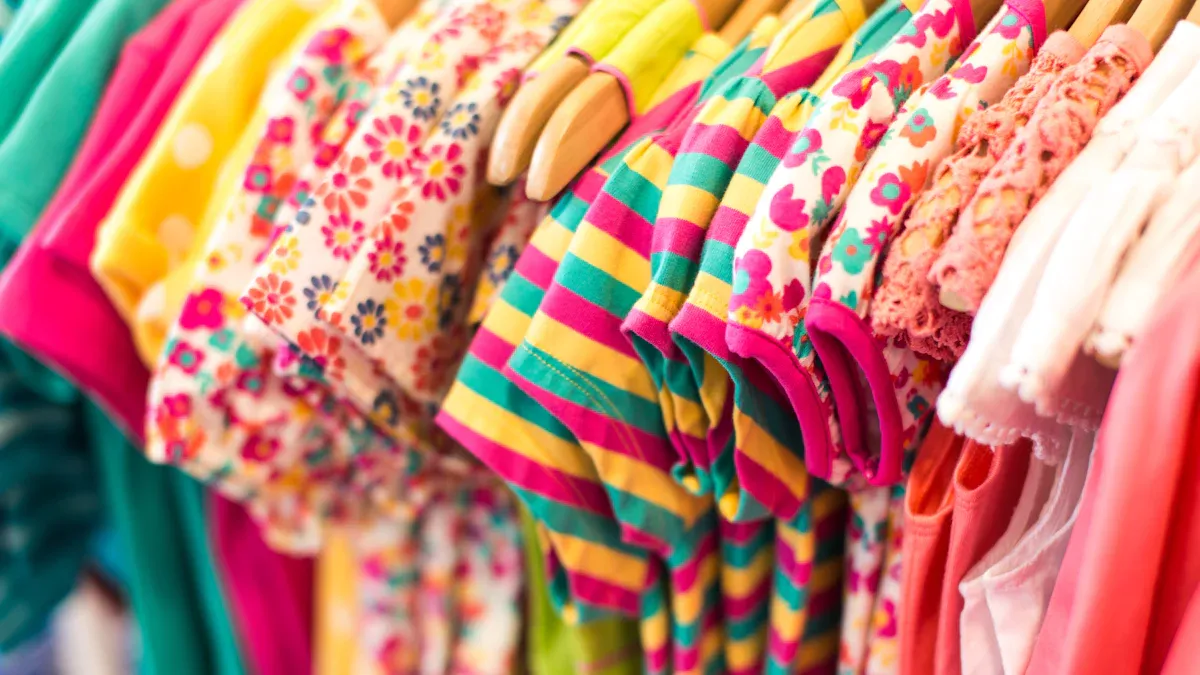
When shopping for youth shirts, you will encounter various size labels. Understanding these labels helps you choose the right fit for your child. Here are some common size labels used across major brands:
Size Label | Description |
|---|---|
YXS | Extra Small |
YS | Small |
YM | Medium |
YL | Large |
YXL | Extra Large |
These labels provide a basic guideline for sizing. However, keep in mind that different brands may have slight variations in their sizing. For example, one brand’s “Medium” might fit differently than another’s. This inconsistency can lead to confusion when selecting shirts.
To avoid sizing issues, always check the specific brand’s size chart. Many brands offer their own charts that detail measurements for each size. This information can help you make informed decisions when purchasing shirts for your child.
Additionally, consider your child’s growth patterns. Children grow at different rates, and their size may change quickly. If your child is between sizes, it is often best to choose the larger size. This approach allows for comfort and room to grow.
Age Size Chart
When selecting a youth shirt size, age serves as a helpful starting point. However, you should also consider other factors like height and weight. Here’s a detailed age-based size chart for youth shirts in the United States:
Youth Unisex Sizes | XS | S | M | L | XL |
|---|---|---|---|---|---|
Age | 3-5 | 5-7 | 7-9 | 9-11 | 11-13 |
Height | 39″-44″ | 45″-49″ | 50″-53″ | 53″-58″ | 58″-61″ |
Weight (pounds) | 33-42 | 43-57 | 50-67 | 68-87 | 88-107 |
Chest | 22″-24″ | 24″-26.5″ | 25.5″-27.5″ | 27.5″-30.5″ | 30.5″-32.5″ |
Waist | 22-23″ | 23-24.5″ | 24.5-25.5″ | 25.5-28″ | 28-30.5″ |
Using this chart, you can find the right size for your child based on their age. However, remember that children grow at different rates. A 3-year-old may need a larger size than expected. Therefore, always check your child’s height and weight alongside their age.
Internationally, age-based sizes can vary significantly. Different countries have different sizing standards. This variation can lead to confusion when shopping for youth shirts. Always refer to specific brand size charts and take individual measurements for the best fit.
When using age as a sizing guide, keep in mind the limitations. Relying solely on age overlooks the variability in children’s body sizes and shapes. Height and weight provide more accurate indicators of fit than age alone. Additionally, variations in body types, such as slim, average, and husky, can greatly affect how clothing fits.
Measurement-Based Sizing
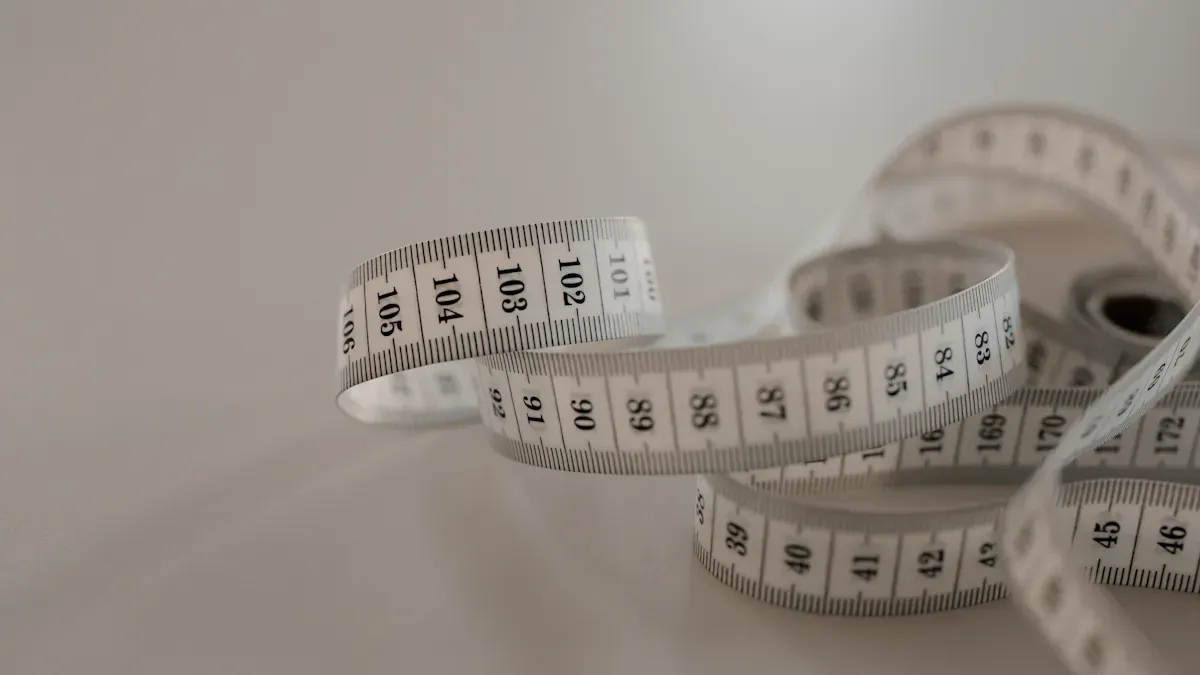
To find the right shirt size for your child, you need to take good measurements. This way gives a better fit than just using age. Here are the important measurements to take:
Chest: Measure around the widest part of the chest.
Waist: Measure around the natural waistline.
Hips: Measure around the widest part of the hips.
Height: Measure from the top of the head to the floor.
When measuring, make sure the tape is snug but not too tight. For the chest, wrap the tape under the arm and across the breastbone. For the waist, keep the tape a bit loose around the waistline, measuring just above the belly button. For the hips, wrap the tape around the widest part, keeping it level with the floor.
After you have these measurements, check them against the size charts from the brand. Measurement-based sizing charts look at specific body sizes like height, weight, and body shape. These can be very different among kids of the same age, giving a better fit.
On the other hand, age-based charts might not show individual differences. This can lead to less accurate sizing. For example, two kids of the same age might have different body shapes and sizes. By using measurements, you can get a better fit for your child, helping them move comfortably and confidently.
Always check the specific size chart of the brand you are buying from. This will help you match your child’s measurements to the right size. Remember, good measurements lead to a better fit, making your child more comfortable in their new shirt.
Tips for Choosing Youth Shirt Size
Choosing the right size for your child’s shirt can be tricky. Here are some tips to help you navigate this process effectively.
When to Size Up:
Size up if your child is at the top end of their current size range. Growth spurts happen quickly.
Opt for a larger size when the shirt has adjustable features. This allows for a better fit now and later.
Consider sizing up for casual wear. Loose styles often accommodate growth better than fitted ones.
If the shirt is outerwear, choose a larger size to fit over layers comfortably.
A common mistake parents make is buying strictly by age. Children vary in height and build, so relying solely on age can lead to poor fit. Another mistake is going too big in hopes that the shirt will last longer. This can result in discomfort and an unflattering look. Always check garment measurements to differentiate between body measurements and actual sizes. Ignoring fabric type can also affect fit, as different materials behave differently after washing.
To resolve common sizing issues, follow these steps:
Reference the manufacturer’s size chart for both Youth XL and Adult Small sizes.
Measure your child and match these measurements against the size chart.
If possible, try the shirt on in-store to check for fit and comfort.
Err on the side of slightly larger, as cotton shirts tend to shrink post-wash.
By keeping these tips in mind, you can ensure a better fit for your child’s shirts, making them comfortable and confident in their clothing choices.
Picking the right shirt size for your child is very important. It helps them feel good and confident. A youth shirt size chart can help you avoid the mistake of only using age for sizing. Measuring height and weight gives a better idea of your child’s size. Knowing the differences like slim, average, and husky can really change how clothes fit.
Always check the size chart when you shop. This way, you can find the best fit for your child. It lets them move easily and comfortably in their new shirt.
FAQ
What size should I choose for my child based on age?
Use the age size chart as a guide. However, always consider your child’s height and weight for a more accurate fit. Children grow at different rates, so age alone may not reflect their actual size.
How do I measure my child for the best fit?
Measure your child’s chest, waist, hips, and height. Use a flexible measuring tape. Ensure the tape is snug but not tight. Compare these measurements to the size chart for the best fit.
What if my child is between sizes?
If your child falls between sizes, opt for the larger size. This choice allows room for growth and ensures comfort. A slightly bigger shirt can still look good and fit well.
Are there differences in sizing between brands?
Yes, sizing can vary significantly between brands. Always check the specific size chart for the brand you are considering. This step helps you find the right fit for your child.
How often should I check my child’s shirt size?
Check your child’s size every few months, especially during growth spurts. Kids grow quickly, and their shirt size may change frequently. Regularly updating their size ensures comfort and proper fit.