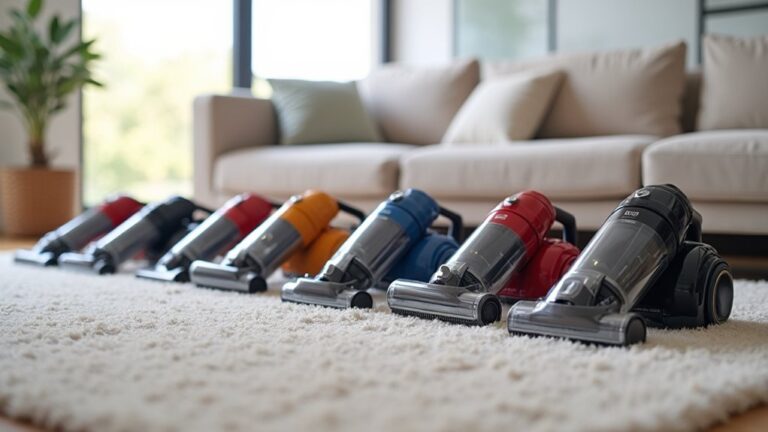

A robot mop can leave floors looking tidy, yet the wrong liquid can create excess foam, leave residue, or complicate dock maintenance. Your best match depends on your robot brand, floor material, tank size, and whether daily tracked-in dirt or kitchen splatters are the bigger concern. Concentrates matter because they let you mix a small measured amount with water rather than filling the tank with a ready-to-use formula.
The Picks In Brief

WoldoClean Robot Mop Solution 25 oz

Floor Cleaning Solution 85 FL OZ for Roborock

Roboebcreck 2400 ML Roborock Floor Solution

Choneight 500ML Dreame Solution 3-Pack
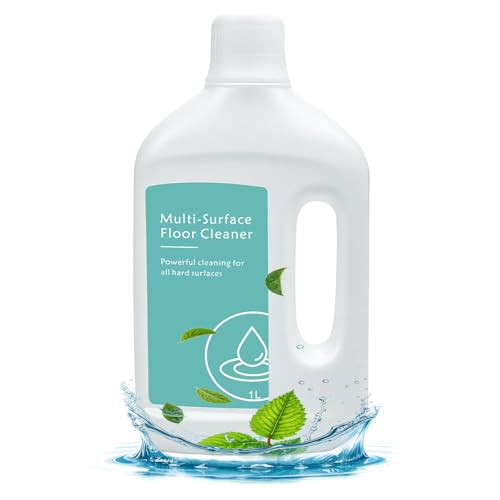
Choneight 1000 ml Dreame Mova Solution
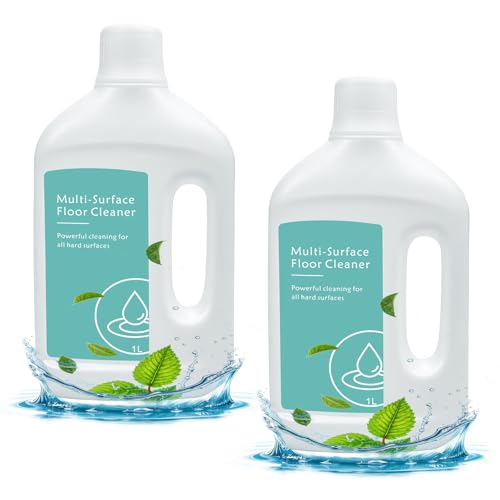
Choneight 33.8 Fl Oz Dreame Mova Solution
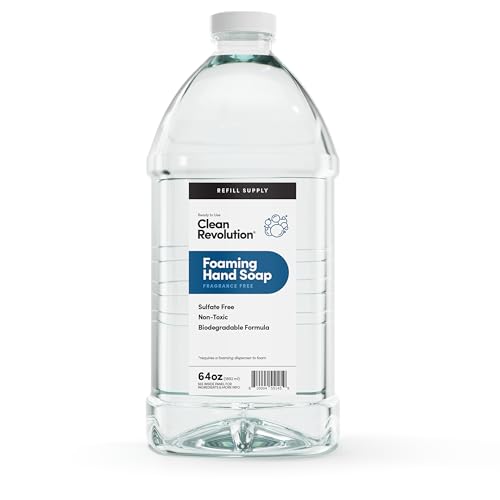
Clean Revolution Foaming Hand Soap 64 Fl Oz
A Breakdown Of The Leading Choices
WoldoClean suits a home where the robot runs across sealed wood, tile, laminate, vinyl, LVP, or sealed stone through the week. Its low-foam formula matters because foam can interfere with a dock tank’s normal water flow, while a pH-neutral formula is designed for sealed hard surfaces.
You can mix it at 1:20 for routine mopping or 1:5 for heavier grime. For a kitchen with regular footprints and cooking residue, that adjustable dilution is genuinely useful rather than flashy.
The Good Stuff
- Low-foam format is intended for robot mop tanks and docks.
- Works across several common sealed floor finishes.
- Two stated dilution ratios let you match routine or heavier cleaning.
- Quick-drying, no-rinse use keeps regular mop cycles uncomplicated.
- One 25.36 fl oz bottle makes up to four gallons of mixed liquid.
Things To Consider
- You need to measure the concentrate before filling the clean-water tank.
- The stated floor coverage applies to sealed surfaces, so check your flooring finish first.
For a Roborock that handles frequent kitchen and hallway runs, the 85 fl oz bottle provides a notably larger format than WoldoClean’s 25.36 fl oz bottle. The listed 1:200 dilution is highly concentrated, meaning a small amount is intended for a larger volume of tank water.
The formula is listed for hardwood, vinyl, ceramic tile, and laminate, with orange essential oil in its scent profile. You may prefer that citrus note in an active family home, though fragrance preference is personal.
The Value In It
- 85 fl oz size suits a robot used on a regular schedule.
- 1:200 mixing ratio reduces the amount added per tank fill.
- Listed compatibility includes Roborock Q5, Q7, Q8, S7, S8, and Qrevo lines.
- Fast-drying, residue-free positioning suits hard-floor routes.
Worth Noting
- The larger bottle needs more shelf room than compact concentrates.
- Use the stated ratio and shake after adding water for an even mixture.
- Check your exact robot series before adding it to a dock tank.
Roboebcreck takes the compatibility-first route, naming a long list of Roborock robots from Q and S machines through newer Saros and Qrevo variants. That makes it more targeted than WoldoClean’s general robot-mop positioning.
The low-foaming liquid is listed for tile, terracotta, marble, laminate, and vinyl. Its citrus and pomelo scent may suit you when a fresher-smelling clean matters, particularly around entryways and kitchens.
Notable Upsides
- Lists compatibility across many Roborock robot and F25 floor-washer models.
- Low-foam design is intended to leave less water marking.
- 1:200 dilution provides a clear starting point for tank mixing.
Trade Offs
- The scent can be adjusted by dilution, which adds a small judgment call.
- Use it by itself rather than mixing it with another cleaning liquid.
- Confirm your model against the compatibility list before use.
Three 500 ml bottles create a different ownership rhythm from a single large jug. You can keep one near the dock and store the remaining bottles elsewhere, which may be easier in a compact utility closet.
Choneight identifies this solution for Dreame cleaning equipment. The practical appeal is the divided pack format, though your exact robot’s tank guidance still deserves a quick check before use.
Points In Its Favor
- Three-bottle pack separates the supply into manageable containers.
- 500 ml size can be easier to handle than a large bottle.
Minor Gripes
- You need space for three individual bottles rather than one container.
- Its Dreame-focused title makes it a narrower fit than the Roborock options.
- Confirm your machine’s recommended cleaning-liquid process before filling the tank.
- Use only the amount directed for your robot’s water system.
Who It Suits Best
You benefit most when your Dreame setup shares limited storage with laundry or kitchen supplies.
Where Another Pick Suits Better
WoldoClean Robot Mop Solution 25 oz suits you better with several sealed hard-floor materials and adjustable mixing needs.
This 1000 ml Choneight option centers on Dreame and Mova robot systems rather than the broad Roborock compatibility of the previous two concentrates. A single larger bottle may suit you when a multi-pack feels unnecessary but a 500 ml bottle seems too small.
The listed format makes the volume easy to understand at a glance. Nothing flashy here, but that middle-ground container size can make cabinet planning more straightforward.
The Upside
- 1000 ml format gives you a clearly stated single-bottle supply.
- Named for Dreame and Mova robot use.
- One bottle keeps your cleaning shelf less segmented than a multipack.
Room For Improvement
- The title does not list a mixing ratio, so follow the bottle directions closely.
- Check your exact Dreame or Mova robot before adding liquid to its tank.
Choneight’s two-pack gives you two 33.8 fl oz containers for Dreame and Mova robot care. Compared with the 1000 ml single bottle, this format gives you a second sealed container before your first is empty.
That arrangement may work well for a household with a robot running several rooms each week. You still need to keep both containers together and follow the directions attached to the solution.
Everyday Wins
- Two 33.8 fl oz bottles provide separate household supply containers.
- Named for Dreame and Mova robot systems.
- A second bottle can stay in storage until you need it.
- Individual containers are easier to move than one very large jug.
Points To Note
- Two bottles take more shelf width than the 1000 ml Choneight format.
Clean Revolution belongs in a handwashing setup, not a robot mop tank. Its ready-to-use foaming hand soap formula is designed for compatible foaming soap dispensers, which is a completely different use from low-foam floor concentrate.
The 64 fl oz fragrance-free refill can make sense beside a kitchen or utility sink. For robot maintenance, though, select one of the purpose-made floor solutions above instead.
What It Does Well
- Ready-to-use format avoids hand-soap dilution.
- Fragrance-free formula suits scent-minimal sink areas.
Small Caveats
- Foaming hand soap is not intended for robot mop reservoirs or docks.
- You need a compatible foaming hand soap dispenser.
- The 64 fl oz container is better stored near a sink than robot supplies.
Made For
You benefit most from this refill with a compatible foaming dispenser at a kitchen, bathroom, or laundry sink.
Consider Something Else When
WoldoClean Robot Mop Solution 25 oz is the appropriate fit for your robot mop’s clean-water tank.
What Matters Before Filling Your Robot Mop Tank
Match the Formula to Your Robot
Your robot’s brand and model matter before scent or bottle size. A compatibility list can cover specific Roborock, Dreame, Mova, or wet-dry floor-washer lines, while a general low-foam formula may suit several robot mop brands. Low foam means the liquid is formulated to create minimal bubbles, an important trait for tanks, hoses, pumps, and dock systems.
Check Your Floor Finish
Hardwood, laminate, vinyl, LVP, stone, tile, and marble are not interchangeable labels. Look for your exact surface and confirm that it is sealed before using a liquid floor cleaner. A sealed surface has a protective finish that separates the material from moisture and cleaning liquid.
Compare Dilution Before Bottle Size
A larger container does not automatically mean fewer refills. A 1:200 concentrate uses far less liquid per tank than a 1:20 mix, so the stated mixing ratio is the more useful comparison. Use the label measure rather than guessing, particularly with auto-fill docks.
Decide How Much Fragrance You Want
Citrus or fresh scents can suit busy entryways and kitchens, while a fragrance-free choice has a different role. Scent has no bearing on model compatibility, so let your robot requirements lead the decision.
Details That Prevent Frustration
Common Shopping Slip Ups
Avoid pouring hand soap, general household soap, or a foaming formula into a robot tank. Select a low-foam floor solution, then check your exact model and floor material before mixing.
Where the Extra Money Goes
Higher-tier options may provide broader model lists, precise dilution guidance, or larger concentrated formats. Paying more can make sense when your robot runs often and the formula clearly matches your dock system.
Frequently Asked Questions
Can You Use Any Floor Cleaner in a Robot Mop?
No, use a cleaner intended for robot mop tanks or the process stated for your machine. Foaming hand soap and general soaps do not serve the same purpose.
What Does a 1:200 Dilution Ratio Mean?
It means one part concentrate is mixed with 200 parts water. Follow the bottle’s measuring instructions for the intended tank mixture.
Are Low-Foam Cleaners Important for Robot Mops?
Yes, low-foam formulas are designed for water systems with tanks, pumps, hoses, and docks. They are a more suitable category than a high-foam cleaning liquid.
Can You Use Concentrate on Sealed Hardwood Floors?
You can use a concentrate only where its stated floor compatibility includes sealed hardwood. Keep the dilution within the label directions.
Does a Bigger Bottle Always Last Longer?
Not necessarily, because dilution ratios differ sharply between concentrates. Compare the bottle volume and stated mix ratio together.
The Takeaway
Your robot mop needs a floor liquid that matches its tank system, your sealed floor type, and your cleaning schedule. WoldoClean offers useful daily and heavier-cleaning dilution options, while the Roborock-focused formulas provide more model-specific direction. Dreame and Mova households can stay within their named compatibility lane. A careful label check keeps your routine straightforward.